The Bank of Russia has pushed up maximum deposit rates again, reinforcing a tight-money stance that keeps borrowing costs elevated and shifts more household cash into term deposits rather than spending or risk assets.
Russia raises deposit rates; Sberbank offers 19%
The move matters because higher deposit rates are one of the clearest transmission channels of policy to the real economy: they support the ruble and stabilize bank funding, but they also deepen pressure on credit growth, consumer demand and corporate investment. When banks pay more to retain deposits, lending margins and loan demand both come under strain.
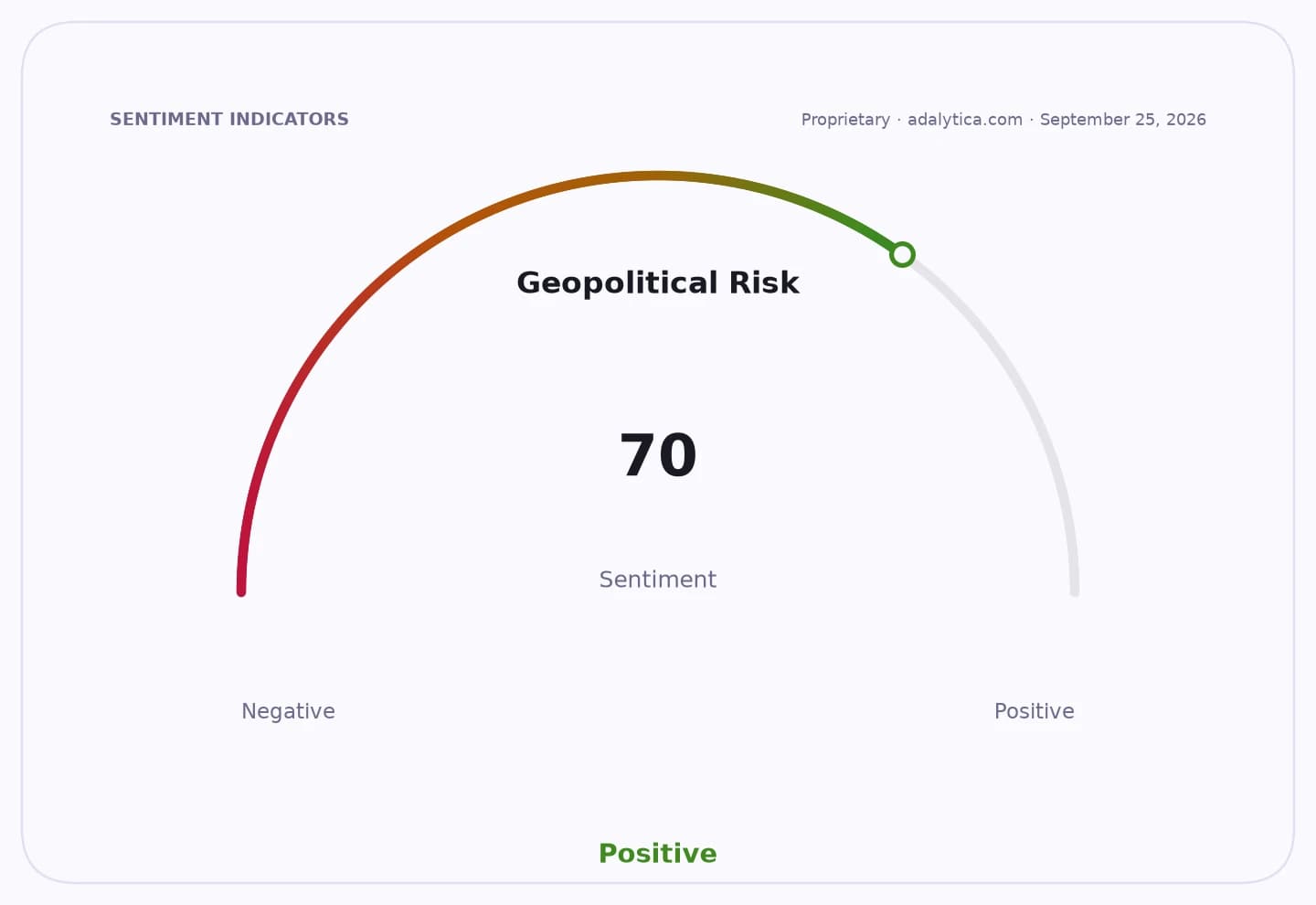
Sentiment IndicatorsⓘProprietary · adalytica.com · July 31, 2026
This is a snapshot — live sentiment, awareness and momentum for 130+ markets update continuously in the dashboard.Open AlphaPulse
Russia’s largest lenders are already adjusting. Alfa Bank has lifted six-month deposit rates, VTB has raised rates for business deposits, and Sberbank has launched a new “Profitable Start+” product offering as much as 19% annually, underscoring how aggressively the sector is competing for funding. The Ministry of Economy has said deposit and loan rates will stay unchanged through June 2026, suggesting the authorities are prepared to keep financial conditions restrictive for an extended period.
For investors, the immediate read-through is mixed. Bank funding costs rise, which can compress profitability if lending rates do not reprice fast enough, but stronger deposit inflows can also reduce liquidity stress and limit pressure on the financial system. The higher-rate backdrop also tends to keep money in cash-like instruments rather than equities, a headwind for domestic risk appetite.
The ruble has held relatively steady around 79.59 per dollar, with conventional technical indicators showing the currency trading above its 50-day moving average but still below its 200-day average, while RSI readings have moved into overbought territory. That suggests the market is pricing in tighter conditions without yet signaling a broad reacceleration in capital flows.
The next catalyst is whether the Bank of Russia keeps leaning on deposit rates in the months ahead, and whether banks pass more of that cost on to borrowers as they protect margins.
| Entity | Gains | Losses |
|---|---|---|
| Savers | ▲Higher deposit yields | ▼Lower real spending power |
| Banks | ▲Stronger deposit inflows | ▼Higher funding costs |
| Borrowers | ▲Less immediate cash pressure | ▼More expensive credit |
| Ruble | ▲Support from tighter conditions | ▼Limited upside if growth weakens |