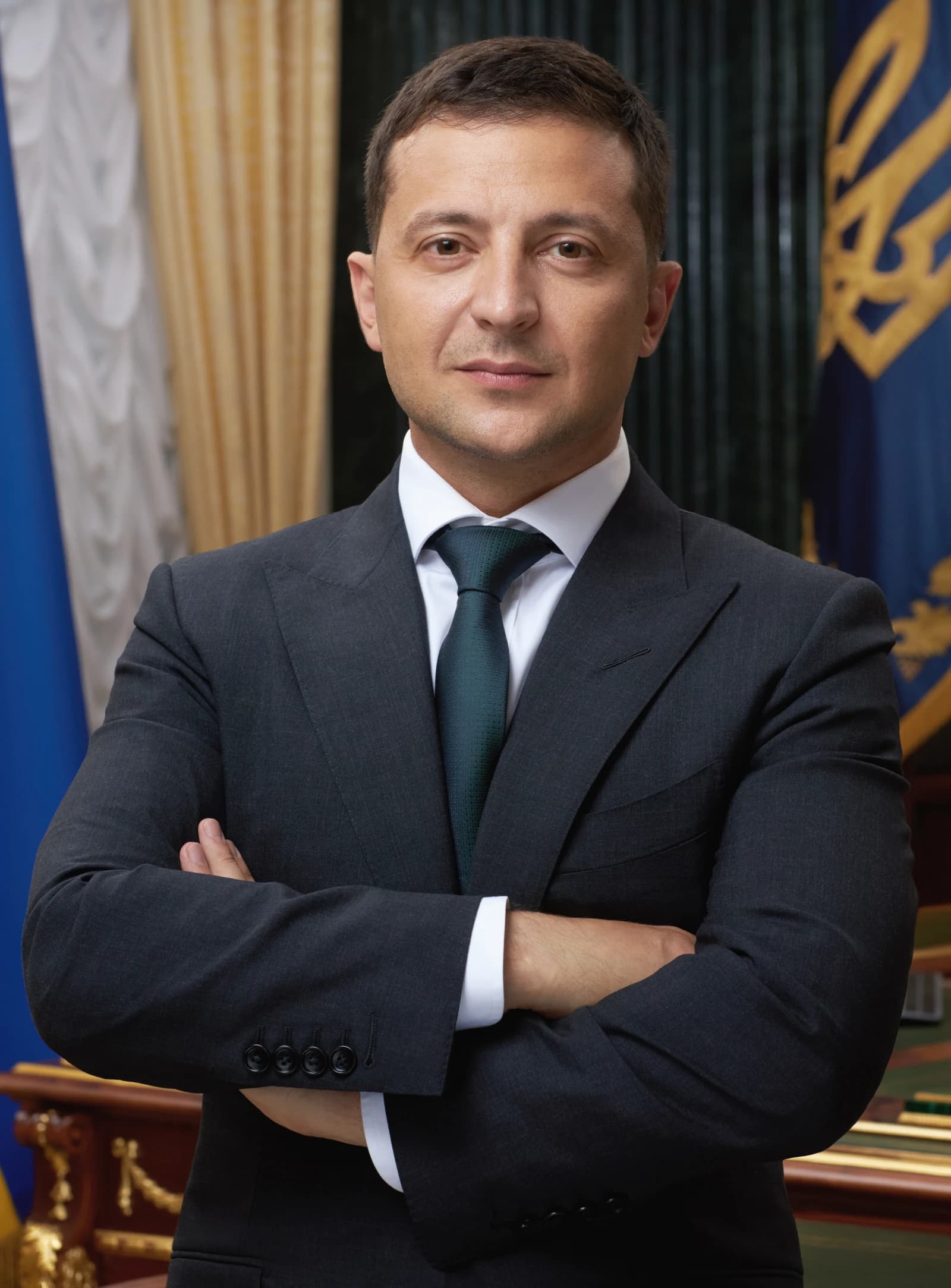
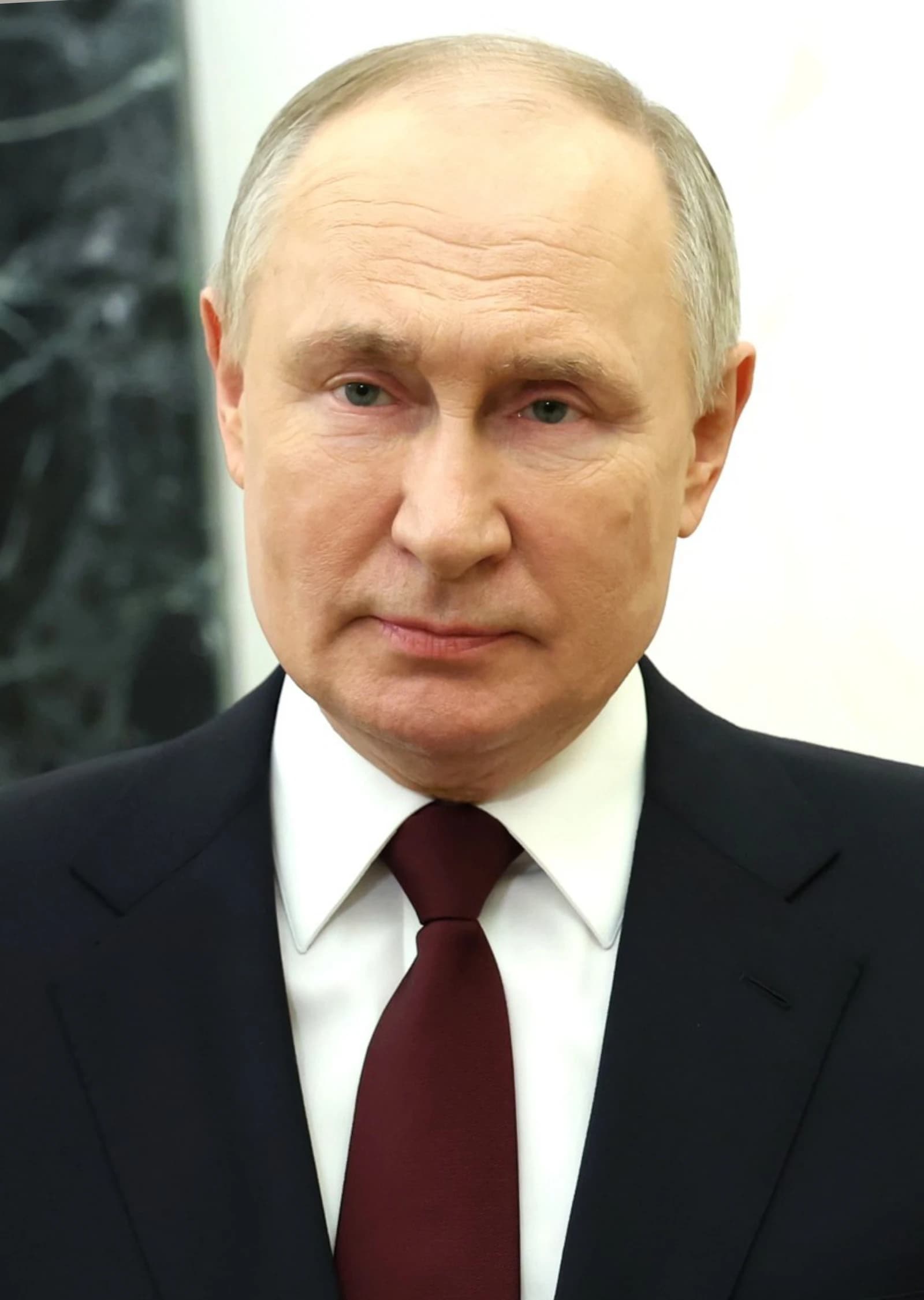
Vladimir Putin has raised the stakes in the Ukraine war by saying Russia is prepared to seize the entire Donbas by force unless Kyiv withdraws, a blunt signal that the Kremlin is not yet willing to trade territory for a ceasefire even as US-led diplomacy intensifies.
Russia Says It May Seize Donbas by Force
The warning matters because it strips away any ambiguity around Moscow’s negotiating position. After five hours of talks with US envoys Steve Witkoff and Jared Kushner, Putin described the discussions as useful but said key elements of Washington’s peace framework were unacceptable. That leaves the most consequential sticking point unchanged: Russia wants territorial concessions, while Ukraine says giving up Donbas would only invite further attacks.
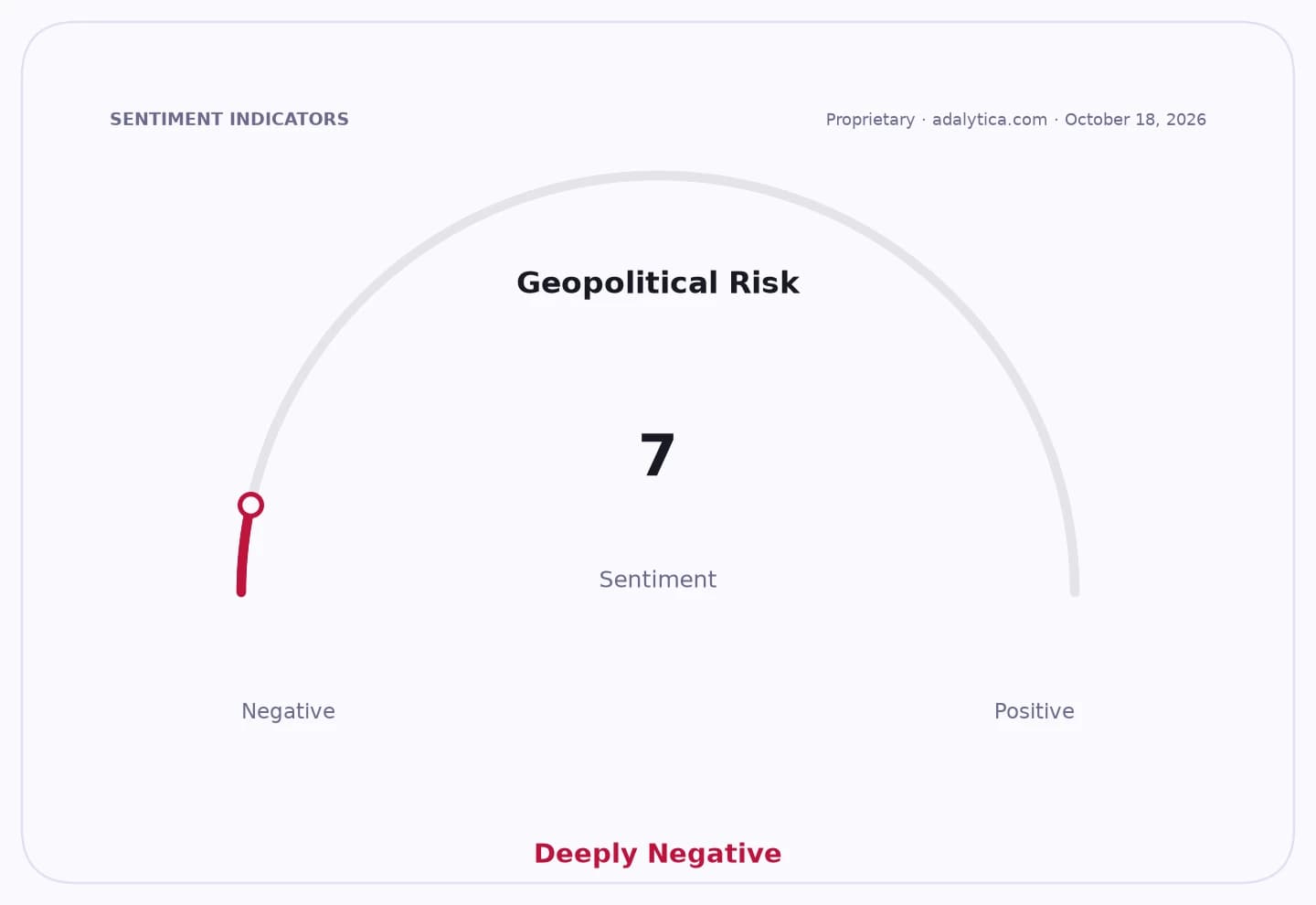
Sentiment Indicators
For investors, the message is that the conflict is not moving toward an immediate settlement and that the risk premium tied to energy, defense and safe-haven assets remains intact. The war has already run nearly four years, and the current round of contacts represents the most sustained diplomatic push since the invasion began. But without compromise on territory and security guarantees, those talks appear more likely to prolong uncertainty than to deliver a market-moving breakthrough.
Ukraine’s refusal to abandon Donbas underscores why the issue is so economically and geopolitically fraught. The region is more than a battlefield symbol: it is central to the map of postwar security, the future of sanctions, and the credibility of any eventual ceasefire. If Russia believes it can still win more territory militarily, it has little incentive to soften its terms. If Ukraine yields, it risks setting a precedent that could shape the next phase of the war.
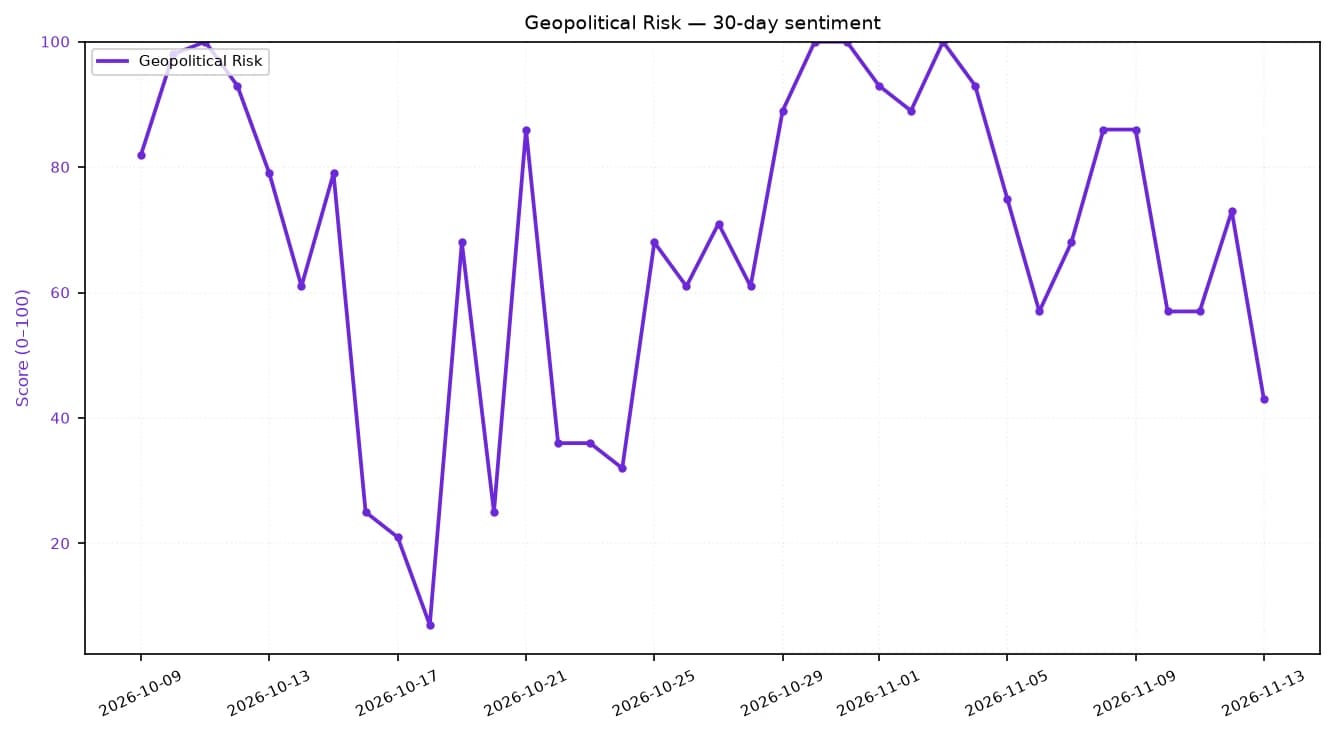
The market response has been consistent with that logic. Oil remains elevated by geopolitical risk, with USO trading far above its 50-day average, while gold continues to attract demand as a hedge against conflict escalation. Adalytica’s Global Stability Sentiment gauge sits in neutral territory but with “extreme fear” on awareness, a sign that investors remain alert to headline risk even if the broader risk mood has steadied.
European leaders are already accusing Putin of using diplomacy as cover while continuing military pressure, a view reinforced by fresh strikes, including a missile attack on Kryvyi Rih that injured civilians and damaged buildings. That pattern weakens any argument that the talks are close to a genuine ceasefire and suggests the battlefield will continue to set the terms of negotiation.
For markets, the immediate implication is that volatility around energy, defense and haven trades is likely to persist. For policymakers, the deeper problem is that each failed round of talks raises the probability that the war hardens into a longer confrontation, with all the associated costs for Europe’s security architecture, global commodity pricing and investor confidence.
| Entity | Gains | Losses |
|---|---|---|
| Russia | ▲negotiating leverage | ▼pressure to compromise |
| Ukraine | ▲international support | ▼territory and security |
| Oil and gold | ▲safe-haven demand | ▼de-escalation trade |
| Europe and global markets | ▲little from standoff | ▼stability and risk appetite |