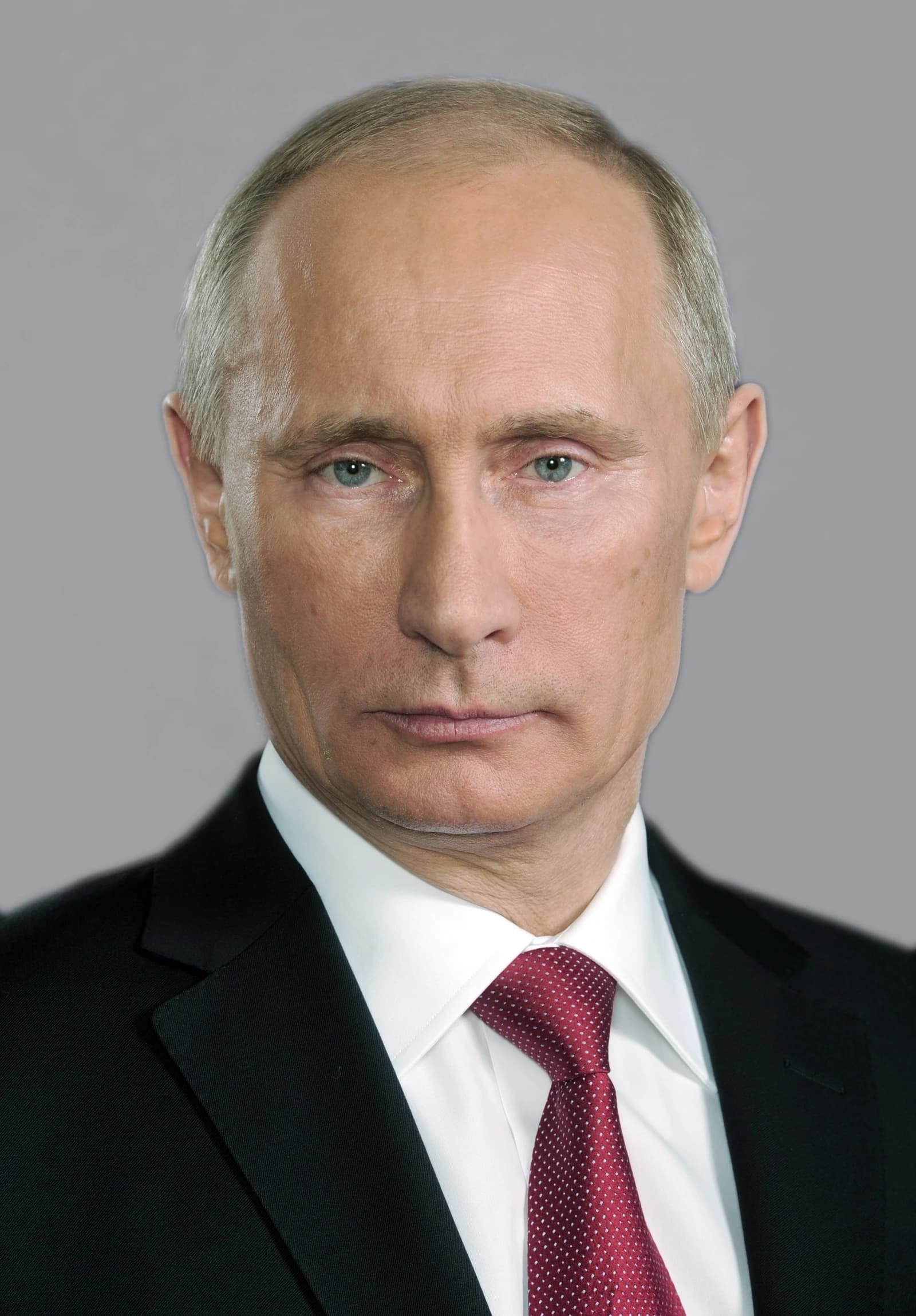
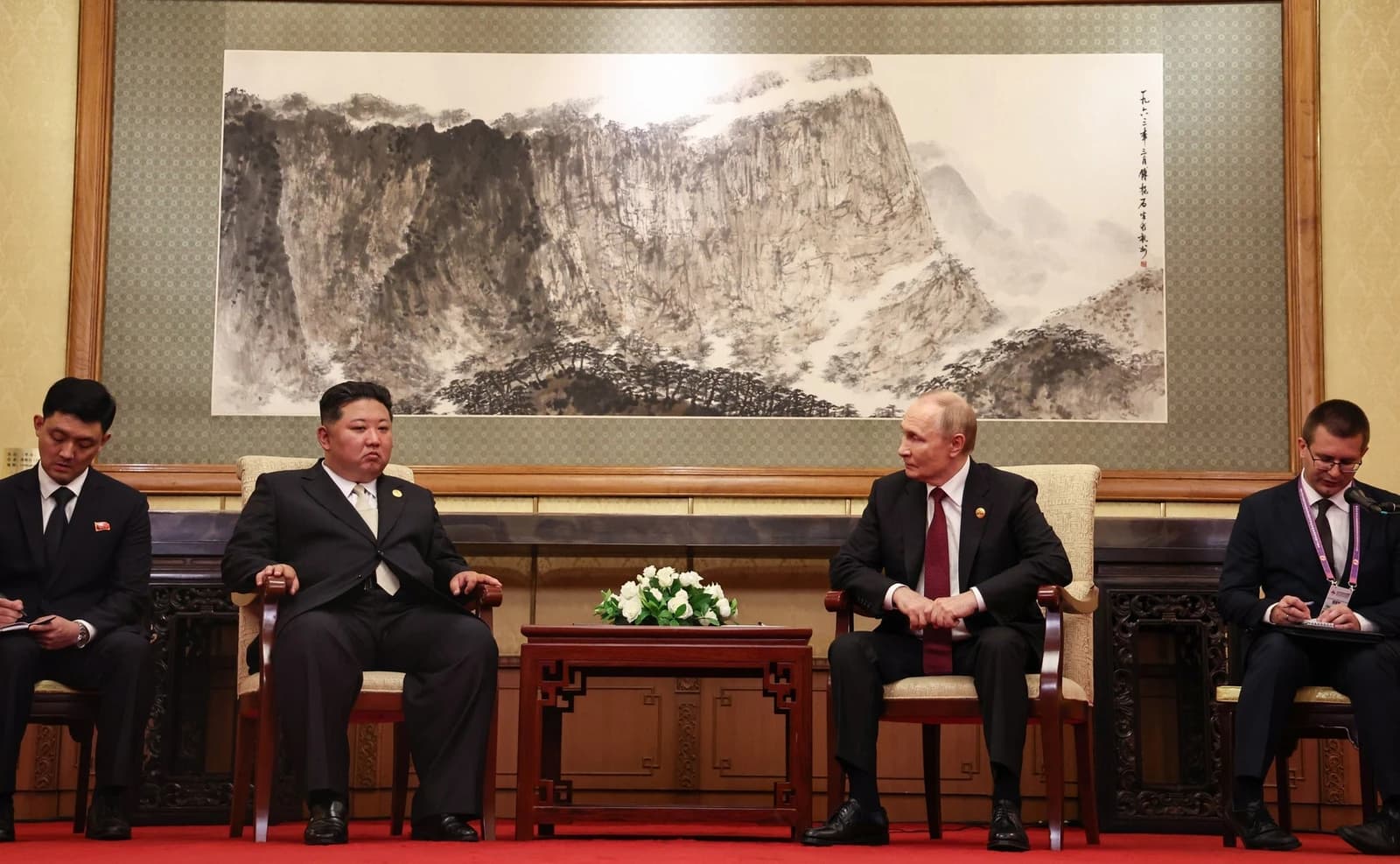
Russia’s parliamentary election is set to deliver the Kremlin another overwhelming mandate, but the more important story for markets and policymakers is how the vote is being used to harden political control while a costly war drags the economy deeper into stagnation.
Russia Duma election boosts Kremlin control
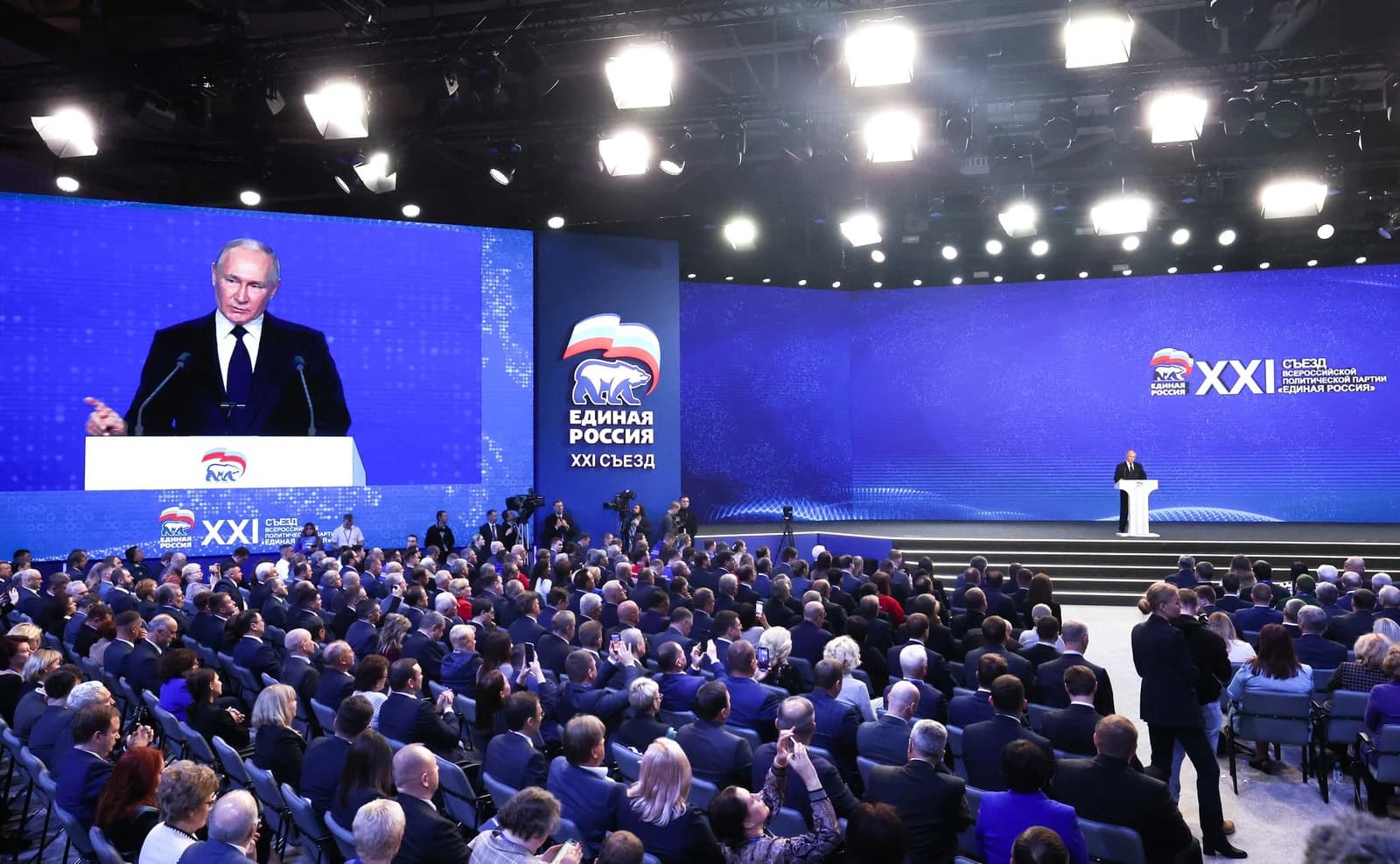
The three-day ballot for the State Duma began under unusually tight restrictions, with the authorities removing the only party that openly criticized the war and sidelining or imprisoning anti-war politicians. The result is effectively predetermined: United Russia and other Kremlin-aligned parties are expected to keep control of the 450-seat lower house, preserving Vladimir Putin’s ability to push through spending, taxation and security policy with little resistance.
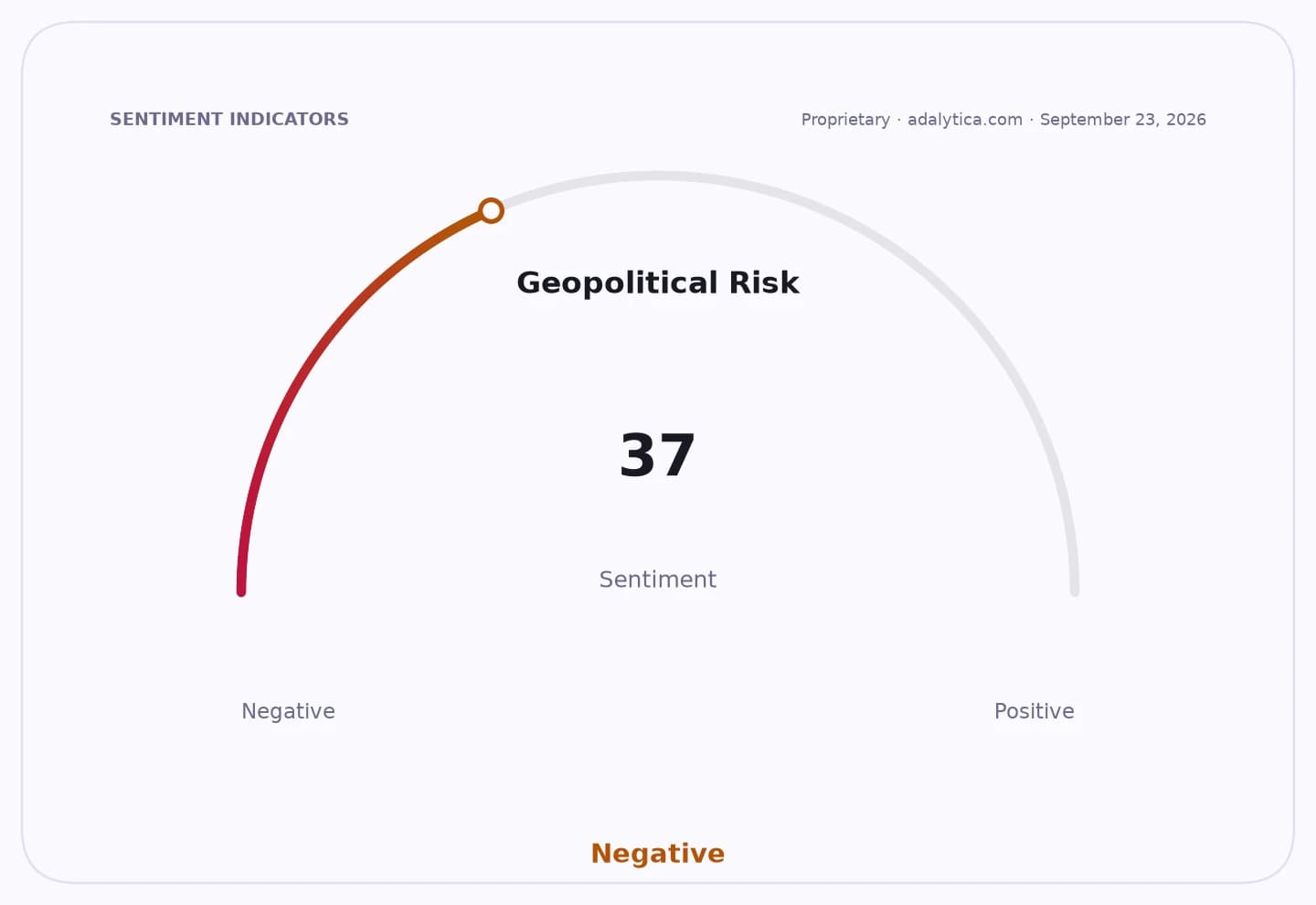
Sentiment IndicatorsⓘProprietary · adalytica.com · September 19, 2026
This is a snapshot — live sentiment, awareness and momentum for 130+ markets update continuously in the dashboard.Open AlphaPulse
That matters because the election is not a test of democracy so much as a test of wartime endurance. The Kremlin is trying to convert a managed vote into proof of national unity at a moment when Ukraine’s drone strikes have exposed the cost of the conflict inside Russia. Attacks on oil refineries and logistics hubs have helped trigger a fuel crisis, disrupted retail supply chains and intensified public unease. The war has also forced Moscow to raise taxes and increase domestic borrowing as military outlays swell the budget deficit, a mix that points to slower growth and tighter financial conditions.
For investors, the key implication is that a stronger political lock on power reduces the odds of policy reversal, but not the odds of policy distortion. With opposition excluded and turnout being used as a legitimacy measure, the Kremlin can keep funding the war, sustain domestic demand through military spending and direct resources where it sees fit. That supports near-term fiscal continuity, but it also leaves the economy more exposed to sanctions, refinery damage, labor shortages and the strain of mobilization, formal or otherwise.
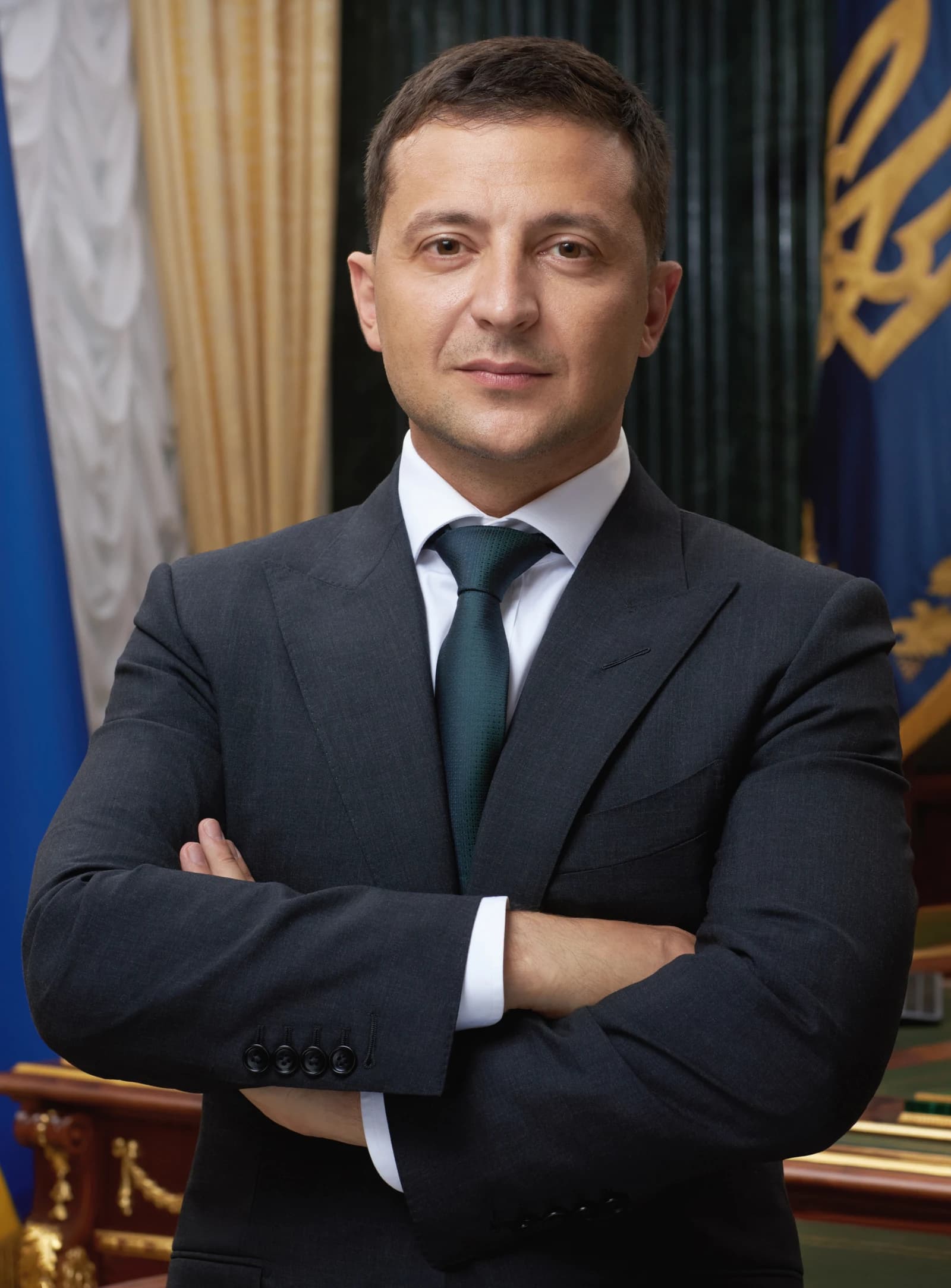
The vote also has a signaling function beyond Russia’s borders. By including residents of occupied Ukrainian regions and pressing ahead despite Kyiv’s objections, Moscow is reinforcing its annexation claims and its narrative that the war is irreversible. That strengthens Putin’s hand in any future negotiations and suggests he is not preparing to trade political control for a compromise peace.
Markets are unlikely to price in much immediate election risk, because there was little chance of an upset. But the broader investment takeaway is that Russia is entering another phase of war economy management: politically stable at the top, economically brittle underneath. The Kremlin can still command the parliament, but the longer the conflict continues, the more it will have to balance military spending against rising social strain and damage to the productive base.
| Entity | Gains | Losses |
|---|---|---|
| Kremlin / United Russia | ▲Tighter control | ▼Political competition |
| Putin loyalists | ▲Policy continuity | ▼Electoral uncertainty |
| Russian state budget | ▲Wartime funding cover | ▼Fiscal flexibility |
| Ukrainian government | ▲Little | ▼Russia’s war narrative |