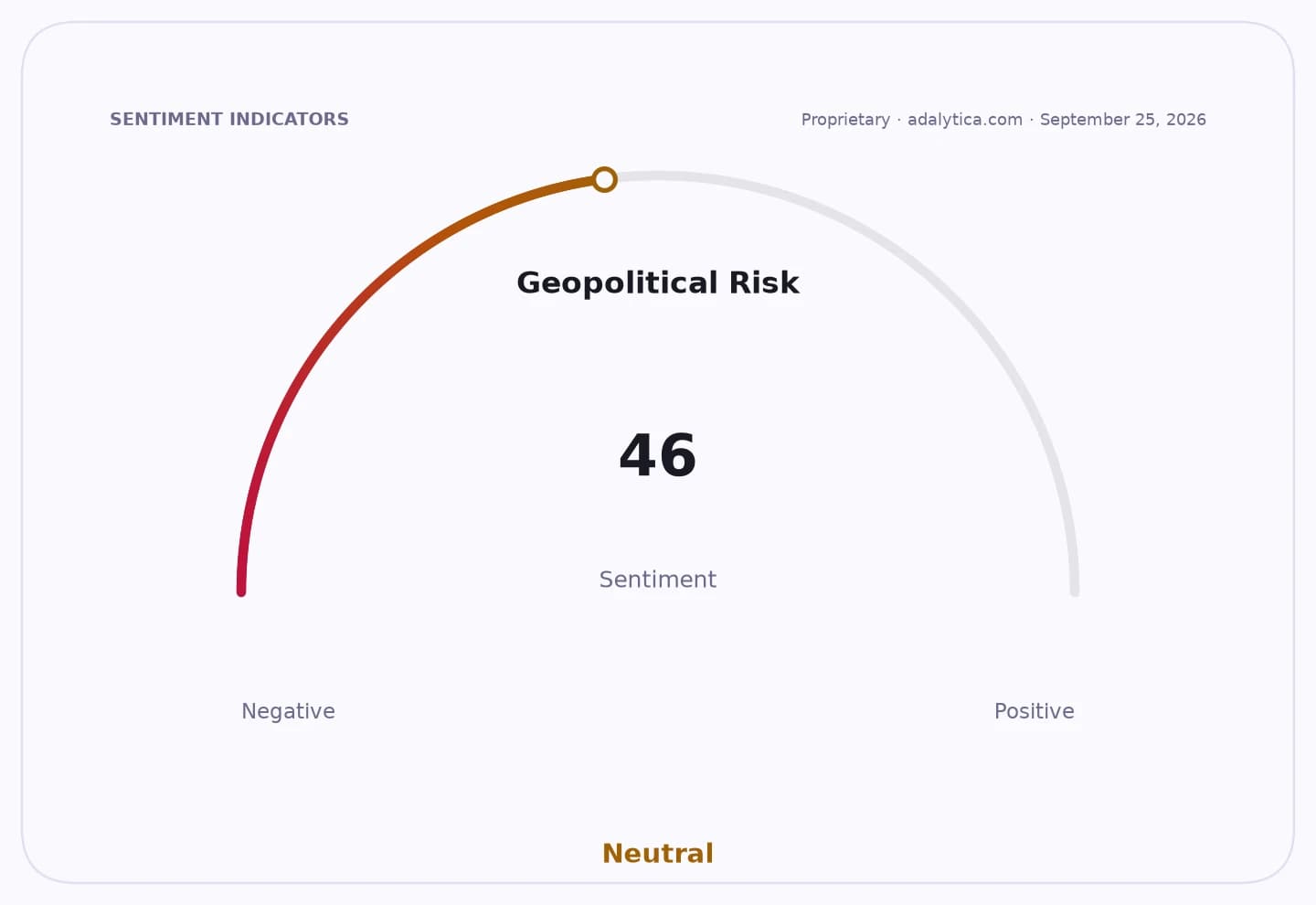
The Kremlin is stripping even loyal opposition parties of room to run in Russia’s Duma elections as public frustration over war-driven inflation, fuel shortages and falling confidence raises the risk of an embarrassing protest vote.
Russia Duma Elections Face Protest-Vote Risks
What matters economically and politically is not whether the Communist Party or Yabloko can win power — they cannot — but whether they can become a vessel for discontent in a country where the state is trying to stage-manage turnout, vote shares and the appearance of unity around President Vladimir Putin.
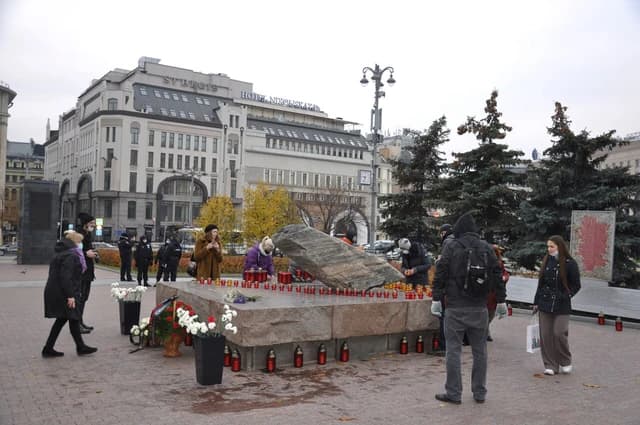
Yabloko, the only openly antiwar party, was initially allowed to register before the Supreme Court revoked that right in August after its antiwar message drew unusually strong interest. Searches on Yandex combining the party’s name and “elections” rose fivefold, briefly surpassing queries for United Russia, a sign that even a marginal ballot line can become a focal point for anti-Kremlin sentiment when war fatigue builds.
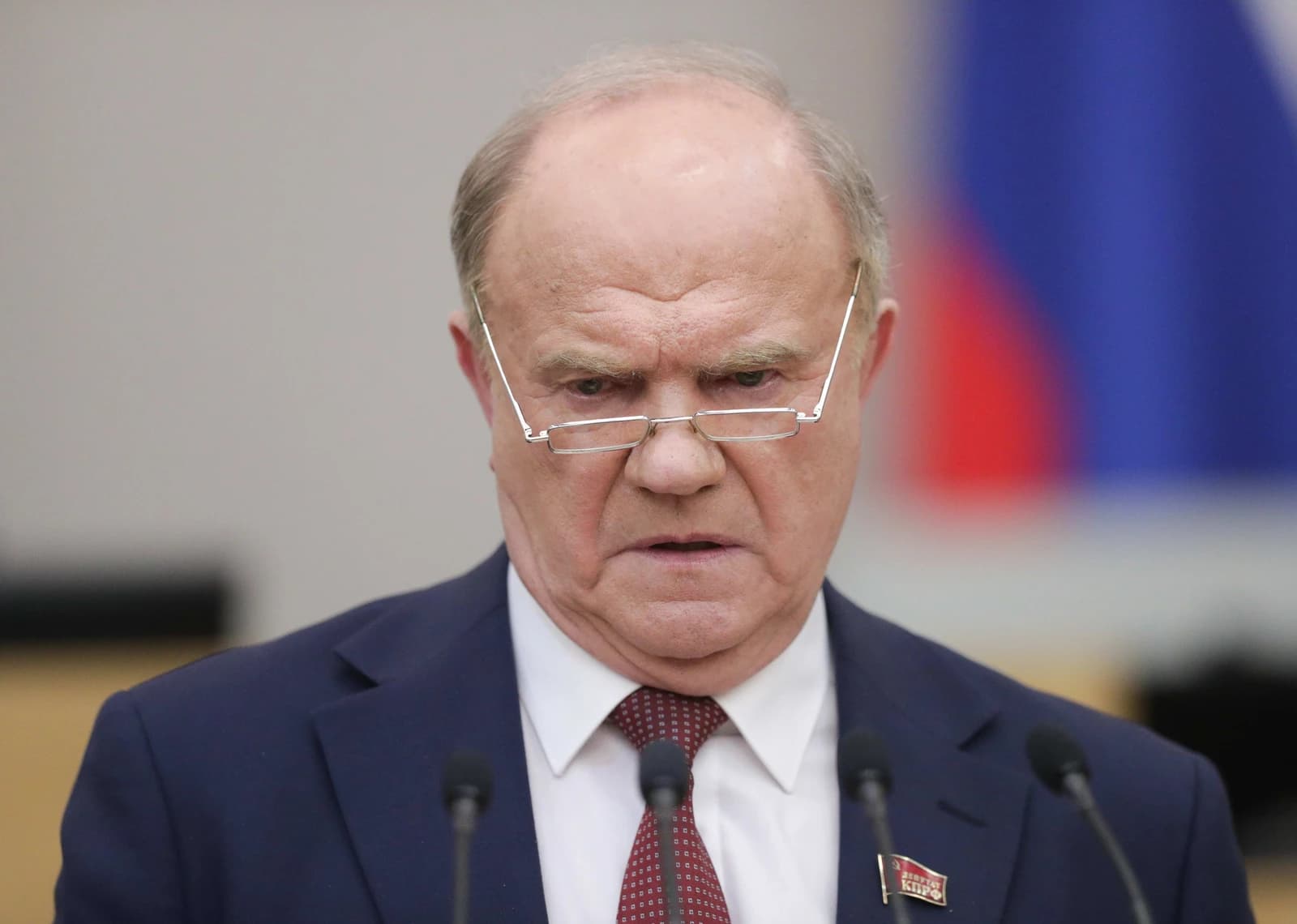
The Communist Party of the Russian Federation, the second-largest faction in the Duma and normally useful to the Kremlin as a controlled outlet for protest, has also come under pressure. Some candidates have been removed from the ballot and campaign restrictions have been imposed, including the disqualification of Nikolay Bondarenko, a popular communist YouTuber with more than two million subscribers, over alleged “extremist symbols.”
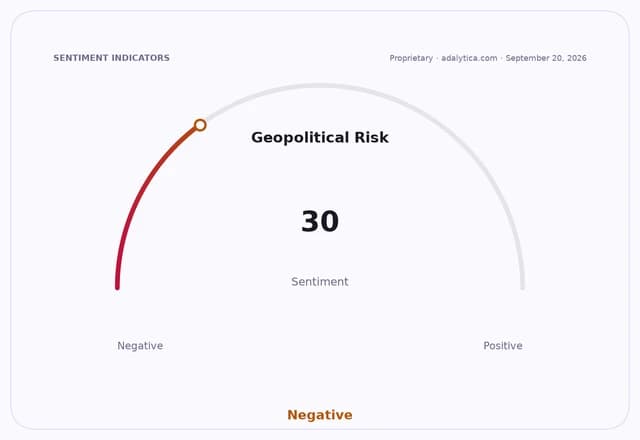
The timing reflects a broader deterioration in public mood. Fuel shortages and rising inflation are biting households, especially outside the wealthier urban centers and among families not tied to the war economy. The independent Levada Center says public anxiety is at its highest since the mass mobilisation scare in September 2022.
For investors, the story matters because it underscores how tightly political control is being linked to the war effort and to future policy choices. A Kremlin worried about visible dissent is more likely to keep prioritizing stability, coercive control and wartime spending over market-friendly reforms, while also leaving open the risk of harsher measures after the vote, including tougher internet controls or austerity.
That makes the election less about competition than about the scale of manipulation needed to hit the Kremlin’s target of 50% turnout and 50% for United Russia, down from a previous 55% target for the ruling party as officials acknowledge rising discontent. The harder the state works to prevent even managed opposition parties from siphoning off protest votes, the more it signals that social pressure is real — and that Putin’s room to absorb it is narrowing.
| Entity | Gains | Losses |
|---|---|---|
| Kremlin / United Russia | ▲Controlled result | ▼Credibility of vote |
| Yabloko | ▲Brief visibility | ▼Ballot access |
| CPRF | ▲Protest-vote demand | ▼Candidate slate |
| Russian households | ▲None | ▼More repression, inflation pressure |