Russia’s revamped family mortgage program will lower borrowing costs for larger households and raise them for smaller ones, a change that could reshape housing demand just as the market is already under pressure from tighter credit conditions.
Russia family mortgage rules raise costs for two-child households
Housing
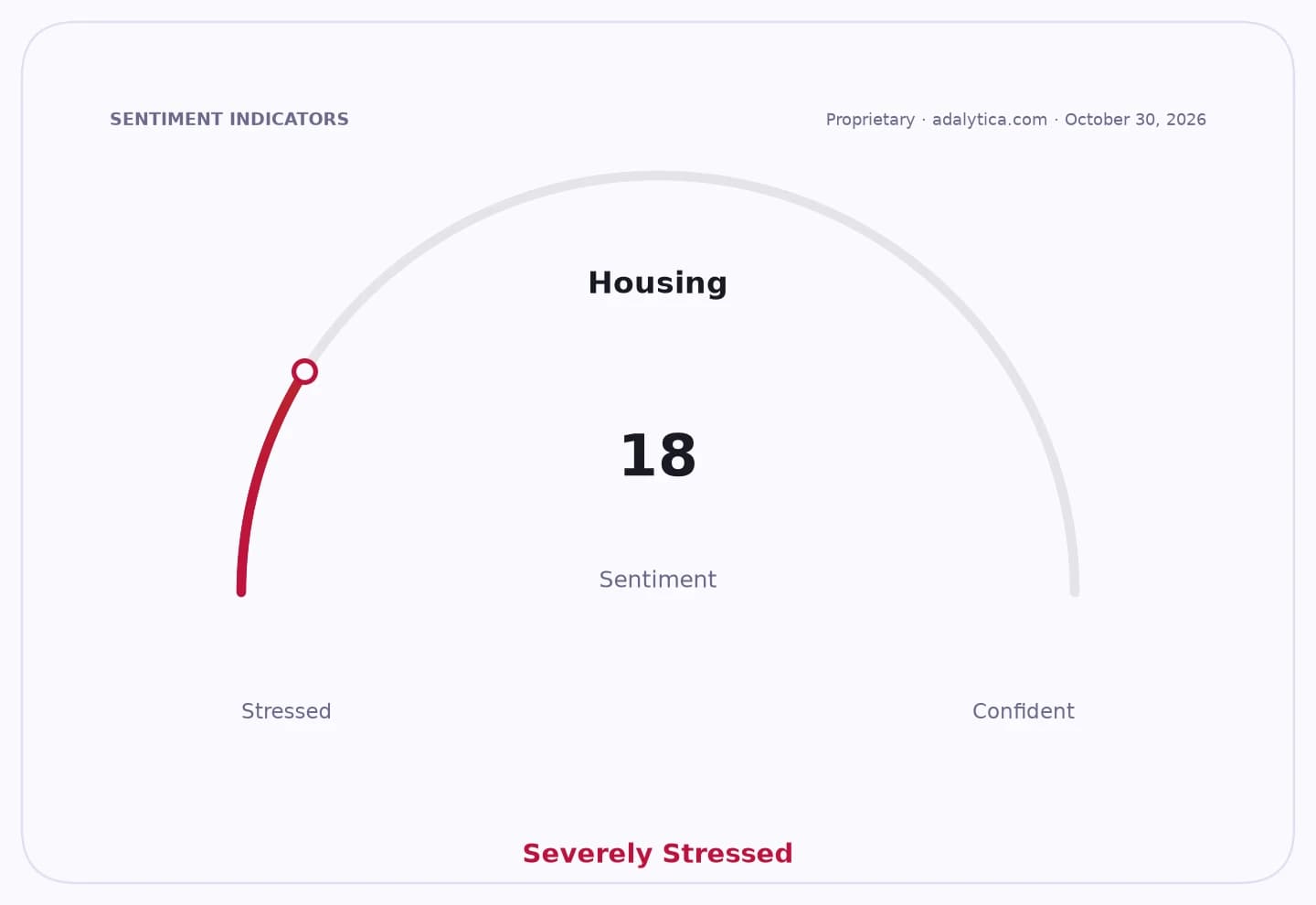
From the start of October, the subsidized “family mortgage” has become tiered by number of children, with rates ranging from 10% for families with one child under seven to 2% for households with five or more children in most regions. The new structure makes the program more generous for some large families, but also pushes many two-child households from a 6% rate to 8%, a jump that realtors say will meaningfully increase monthly payments and total interest costs.
Sentiment Indicators
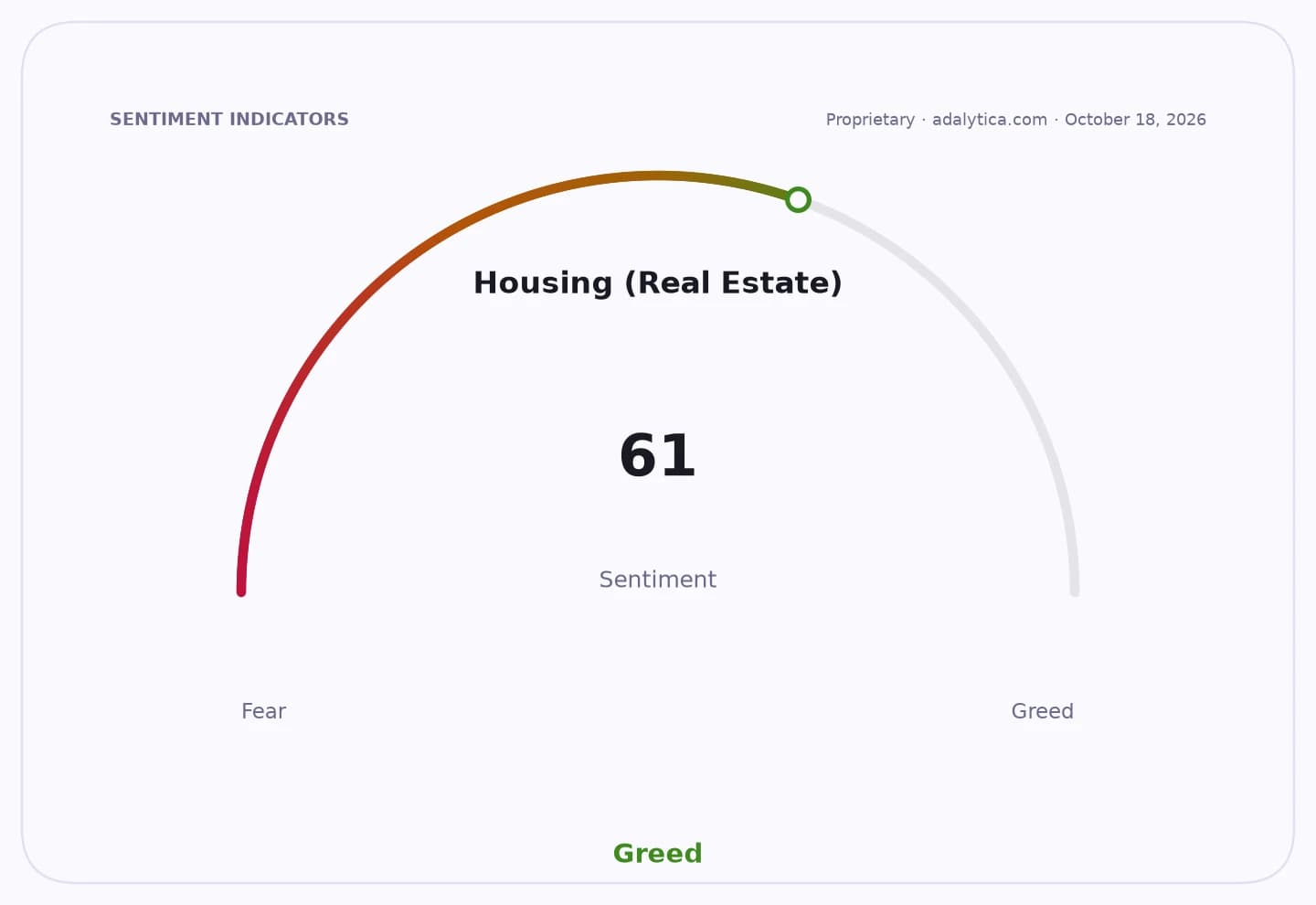
The change matters because family mortgages have been one of the main engines of Russia’s housing market, especially for new-build apartments and individual housing construction. A slower pace of loan issuance would weigh on developers, banks and the broader construction chain at a time when affordability is already stretched. Market participants had expected the program to soften demand, and one industry estimate cited in the source material said issuance could fall by as much as a third.
The new rules also narrow eligibility in ways that are easy to miss. A household must still have at least one child under seven, or a child with a disability under 18, regardless of the total number of children. That means some large families with older children no longer qualify at all, while others may qualify on a more favorable basis than they assume.
For investors and lenders, the key point is that the program is becoming more targeted, not simply more expensive. The higher limits — up to 10 million rubles for families with three or more children in most regions — should support demand for larger homes and private houses, especially in the individual housing segment where the rate remains 6%. But the tighter terms for smaller families could reduce transaction volumes and shift demand toward households with the strongest subsidy benefit.
A notable feature is that all children can be counted, including adult children and children from previous marriages, as long as the borrower meets the program’s other conditions. That detail broadens eligibility for blended families and may help explain why some borrowers can qualify for a lower rate or higher loan cap than they expected. The program also automatically reduces the rate when another child is born, creating an incentive for some buyers to move sooner and refinance later.
For the housing market, the likely outcome is uneven rather than uniformly negative. Larger families, blended households and borrowers in need of bigger loan caps stand to gain. Families with one or two young children, by contrast, face weaker affordability and may delay purchases, trade down, or shift to smaller units. That mix points to softer demand at the margin, but not a collapse in the subsidized mortgage market.
The bigger investor question is whether the new structure stabilizes public support for housing while containing fiscal costs. If issuance falls sharply, builders and mortgage originators could see slower growth. If the higher limits and broader family counts offset some of the higher rates, demand may remain resilient in the segments that matter most — larger apartments, suburban homes and regions outside Moscow and St. Petersburg.
| Entity | Gains | Losses |
|---|---|---|
| Large families with 3+ children | ▲Lower rates, higher limits | ▼None material |
| Two-child households | ▲Broader access to limits | ▼Higher borrowing costs |
| Russian developers | ▲Stronger demand for larger homes | ▼Weaker overall volumes |
| Mortgage banks | ▲More targeted subsidized lending | ▼Slower loan issuance |