Family mortgage programs are emerging as the Kremlin’s preferred tool to keep housing demand alive, but they also underline how much Russia’s property market now depends on state-backed credit rather than healthy household balance sheets.
Russia leans on family mortgages to support housing

Putin’s comment that the family mortgage is the “most reliable support tool” points to a policy choice with broad economic consequences: Moscow wants to defend construction activity and home sales without reopening the door to the riskiest lending that regulators have spent months trying to shut down.
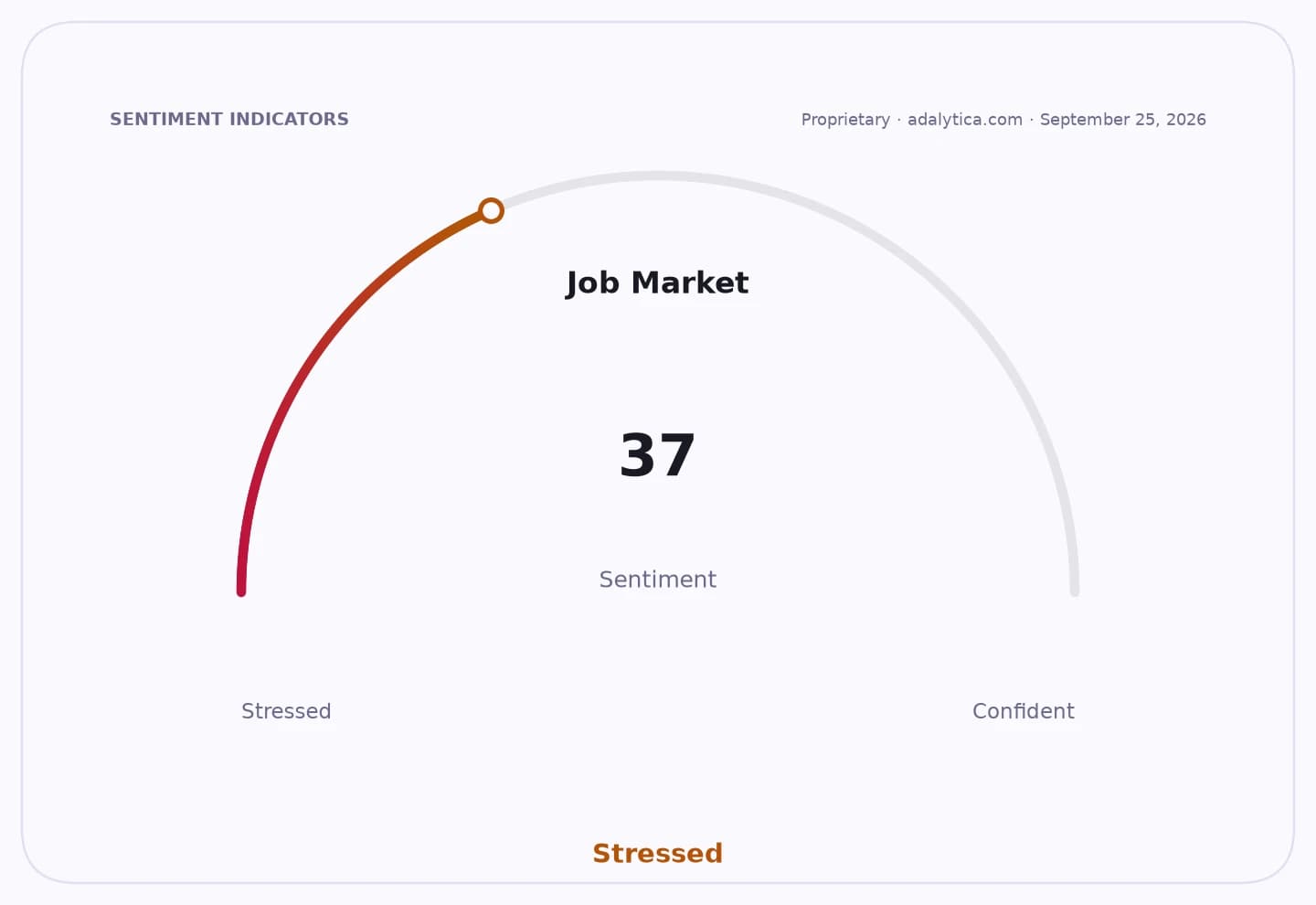
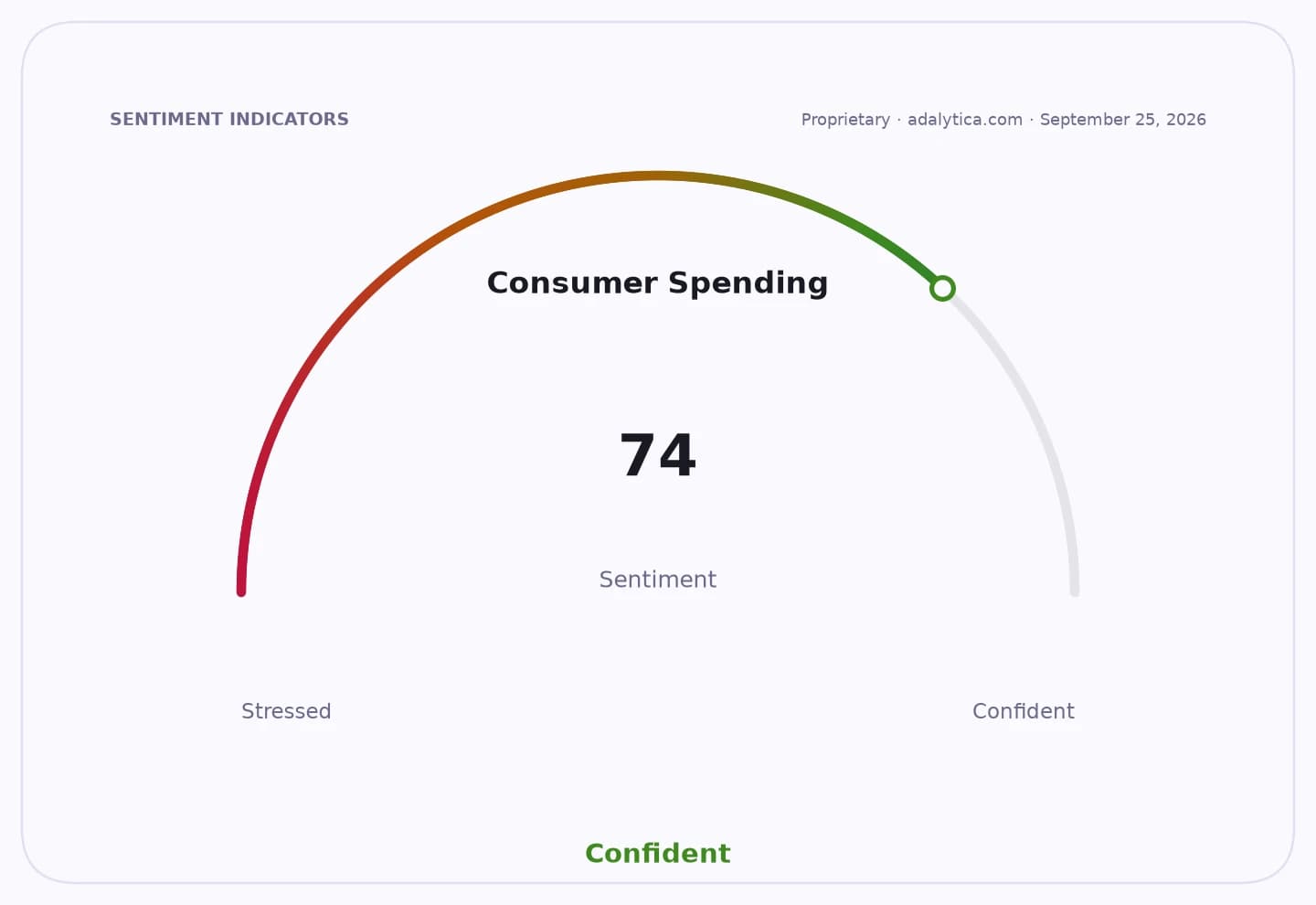
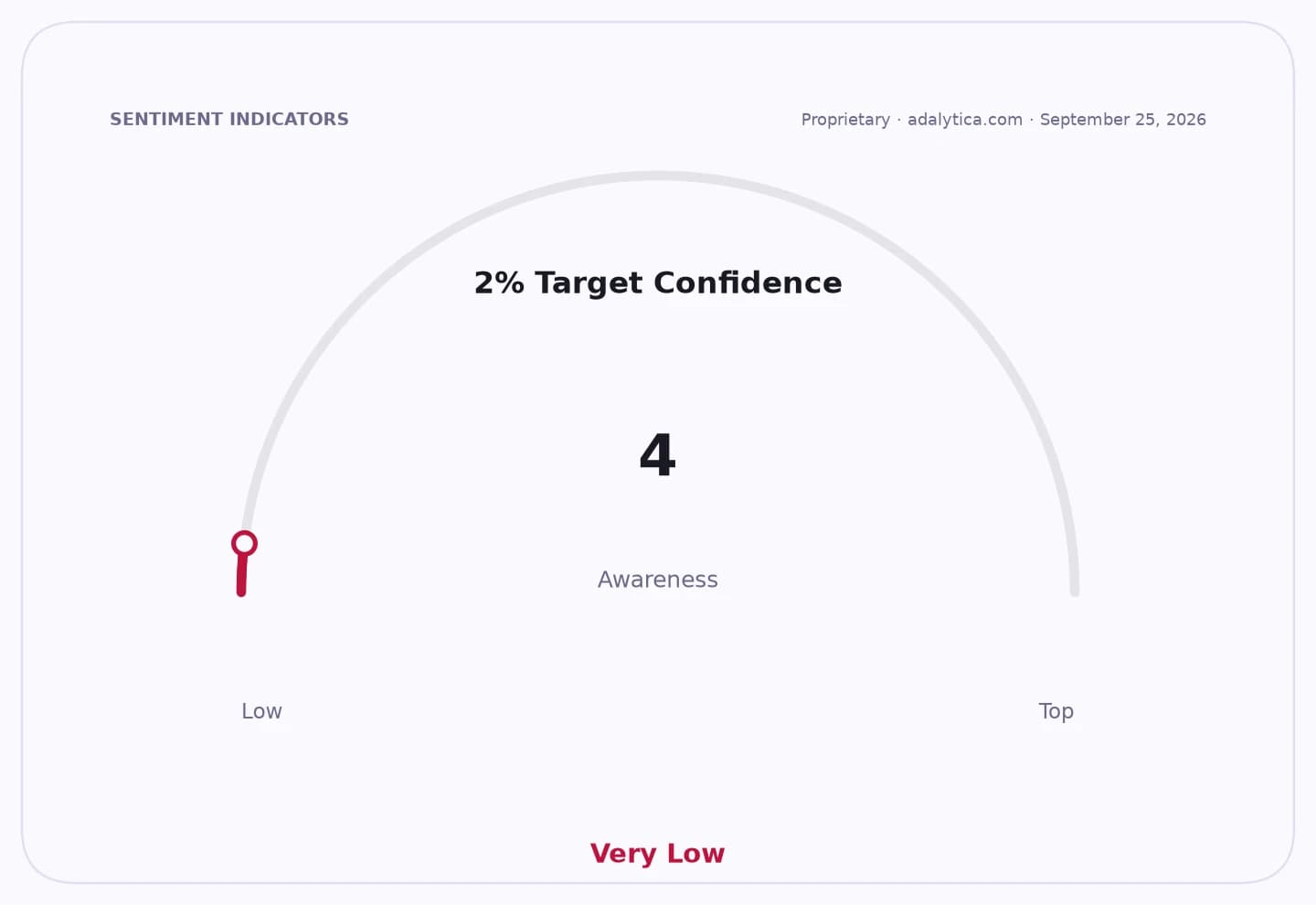
Sentiment IndicatorsⓘProprietary · adalytica.com · July 16, 2026
This is a snapshot — live sentiment, awareness and momentum for 130+ markets update continuously in the dashboard.Open AlphaPulse
That tension is central to Russia’s housing finance model. The Central Bank has already tightened approvals for higher-risk loans, capping such mortgages at 5% for homes under construction and 15% for completed properties, especially where down payments are below 20% or debt service exceeds 80% of income. The aim is to curb leverage after a surge in household borrowing, with mortgage and consumer credit volumes jumping sharply in June, the biggest increase in nearly two years.
For banks, the message is clear: volume growth is no longer the priority if it comes with credit deterioration. Family mortgage schemes, by contrast, shift demand toward borrowers deemed safer, effectively subsidizing housing access while limiting the kind of speculative lending that can inflate delinquency risks later. That makes them politically attractive and financially cleaner than broad-based rate cuts.
For the real economy, though, the reliance on targeted support is a warning sign. Housing is one of the few sectors where policy can still directly influence activity, employment and materials demand. If the market needs persistent state support to function, it suggests private affordability remains weak and refinancing is still constrained by elevated mortgage rates. That can keep transaction volumes supported in the near term, but it does not solve the underlying squeeze on households.
Investors should read the policy shift as a trade-off between stability and growth. A tighter lending regime reduces systemic risk for lenders and the banking system, but it also limits the upside for developers and housing-related industries that rely on easy credit. The family mortgage model may preserve sales in favored segments, yet it also concentrates demand around subsidized products and leaves the broader housing market vulnerable if fiscal support slows.
The near-term outlook hinges on whether Moscow expands family mortgage eligibility or keeps it narrowly targeted. A broader rollout would support developers and lenders with government backing, but could deepen fiscal costs and reheat asset-price pressures. A stricter stance would protect credit quality, at the expense of housing momentum.
| Entity | Gains | Losses |
|---|---|---|
| Families eligible for subsidies | ▲Lower borrowing costs | ▼Limited eligibility |
| Russian banks | ▲Safer loan books | ▼Slower mortgage growth |
| Homebuilders/developers | ▲Supported demand | ▼Weaker unsponsored sales |
| Regulators / state budget | ▲Lower systemic risk | ▼Higher fiscal burden |