Russia’s fuel crunch is no longer just an energy problem — it is now a crop problem, and that raises the odds of a smaller wheat harvest from the world’s biggest exporter at exactly the wrong time for global food markets.
Russia fuel crunch lifts wheat and ag prices
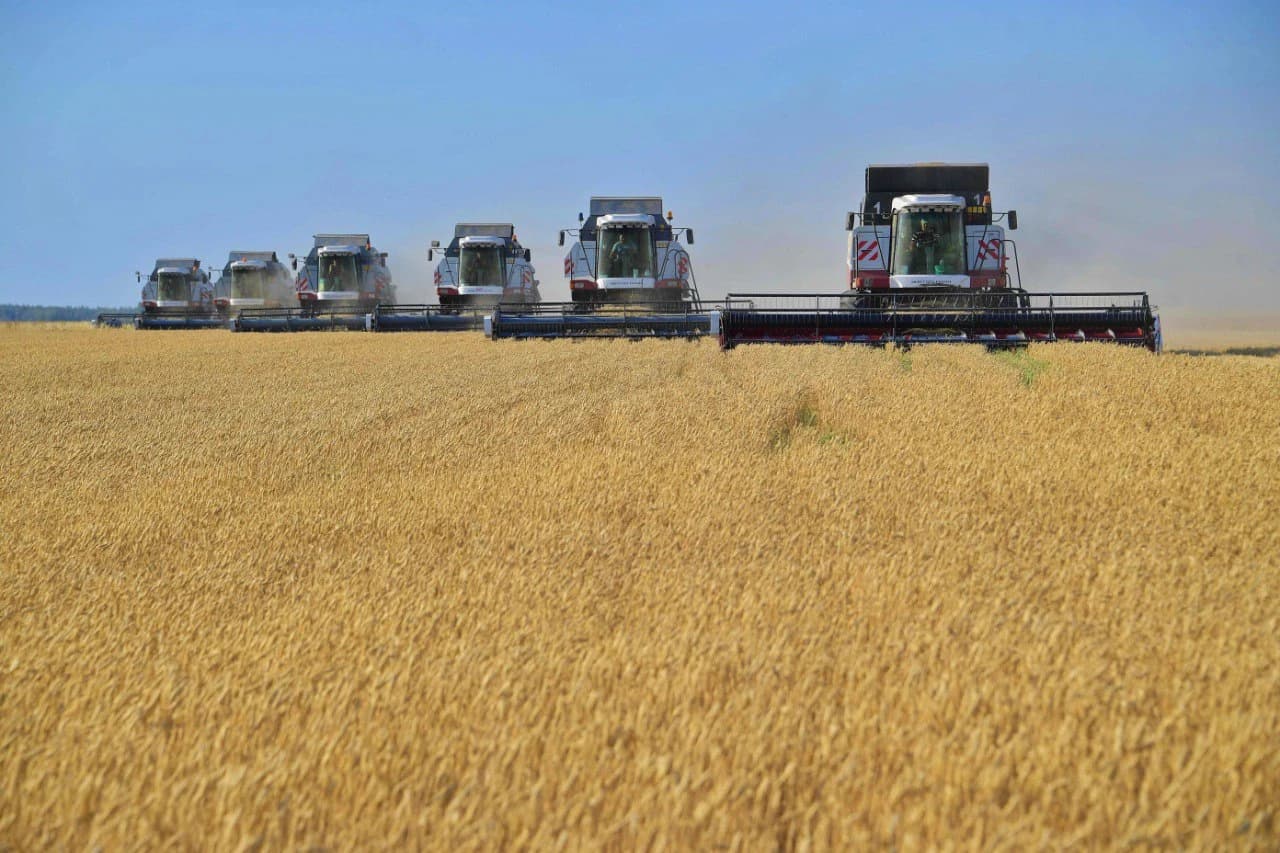
When diesel and gasoline shortages reach the fields, they hit the most time-sensitive part of the agricultural chain: planting, spraying, harvesting and transport. That means the damage can show up faster than a typical weather shock, and it can be harder to fix. For import-dependent countries already vulnerable to bread inflation, the risk is not just higher prices but tighter physical supply as Russia’s export machine loses efficiency.
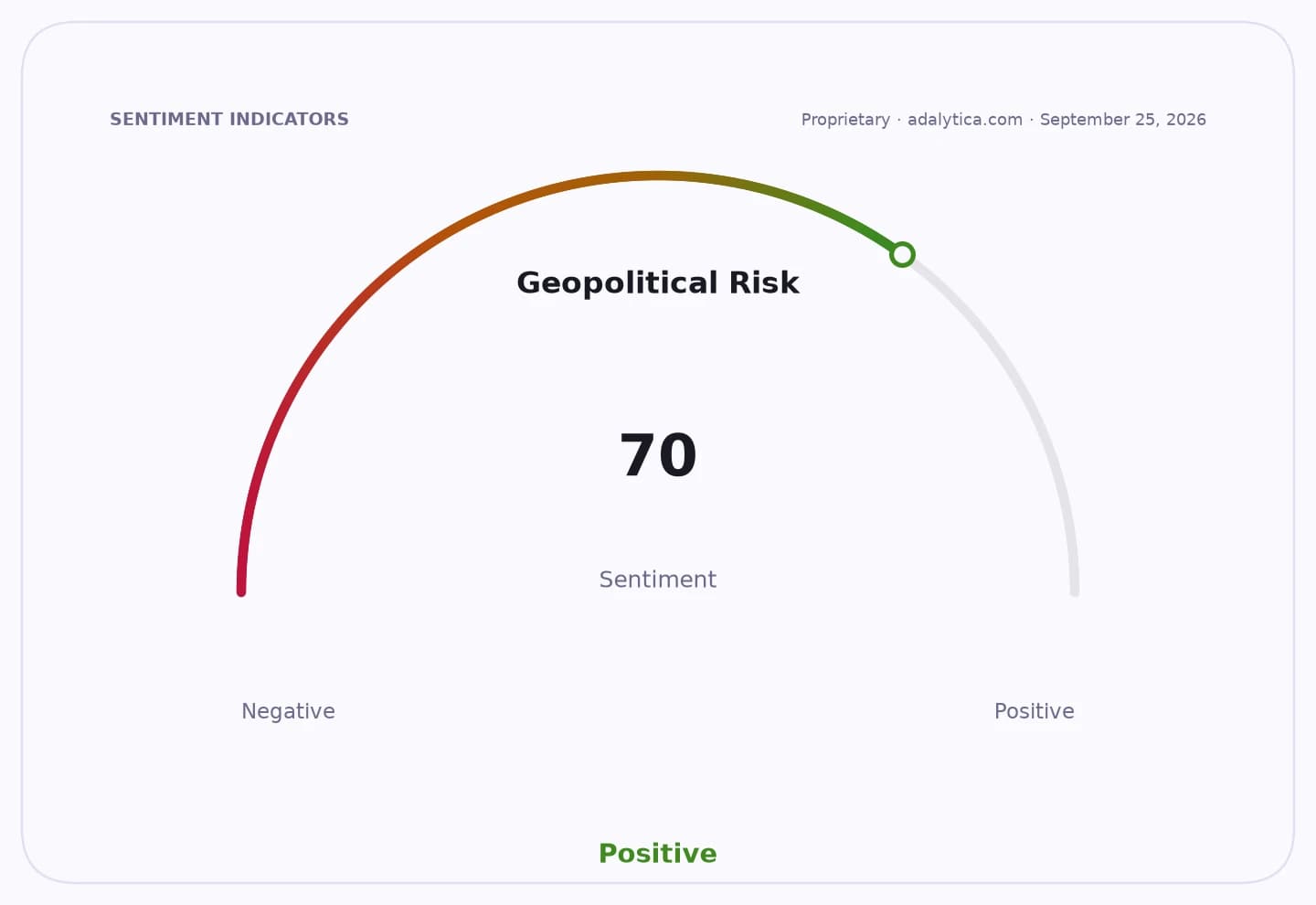
Sentiment IndicatorsⓘProprietary · adalytica.com · July 22, 2026
This is a snapshot — live sentiment, awareness and momentum for 130+ markets update continuously in the dashboard.Open AlphaPulse
The market is already signaling that traders are treating this as more than a headline risk. Chicago wheat futures, tracked by the December contract, have ripped to 684.25, up from 569.50 on June 29, while the 50-day moving average sits at 619.30 and the 200-day at 567.93. The conventional technical picture is stretched: RSI readings above 80 suggest a heavily overbought market, but momentum remains strong, with MACD still firmly positive. In plain English, wheat is no longer pricing a benign harvest story.
That matters because Russia has become the swing supplier in a fragile global grain system. Any hit to its crop or export logistics can tighten supplies quickly and force buyers toward the U.S., Europe and Black Sea alternatives. That tends to lift not just wheat, but the broader agricultural complex, which is exactly why the Invesco DB Agriculture Fund has climbed to 28.15 from 26.51 in late June. The rally in wheat is also feeding through to food inflation expectations, with Adalytica’s Food and Grocery Spending sentiment flashing “Extreme Greed,” a sign that investors are already leaning into the inflation trade.
The implications are asymmetric. Grain exporters, fertilizer names, farm equipment suppliers and agriculture-linked ETFs gain as the market prices in scarcity and replenishment demand. Food importers, packaged-food margins and emerging markets with weak currencies lose first. Pakistan’s scramble for wheat underscores how quickly a Russian supply shock can become a bread-and-butter crisis far beyond the Black Sea.
Oil also matters here because fuel scarcity is the trigger. With U.S. crude around 78.15 on the latest forecast and still volatile, elevated energy costs threaten to keep agricultural input inflation sticky. That is the real macro risk: not just one weak Russian harvest, but a fresh round of food inflation layered on top of already fragile global growth.
For investors, the trade is not to chase every spike in wheat, but to position early in the infrastructure behind the shortage. I believe the market underestimates how durable this supply shock can be once fuel rationing, logistics bottlenecks and export constraints start feeding back into farm output. The setup favors owning agricultural pricing power and the picks-and-shovels of food scarcity while avoiding companies most exposed to input-cost pressure.
The next catalyst is straightforward: any confirmation of lower Russian output, tighter export quotas or worsening fuel shortages could keep wheat elevated and broaden the rally across the ag complex. This is an inflation shock with geopolitical roots, and in markets like this, scarcity usually travels farther than consensus expects.
| Entity | Gains | Losses |
|---|---|---|
| Wheat bulls / ag ETFs | ▲Higher prices | ▼Mean-reversion risk |
| Grain exporters | ▲Stronger pricing power | ▼Supply interruptions |
| Food importers | ▲None | ▼Higher import costs |
| Consumer staples / bakeries | ▲None | ▼Margin compression |