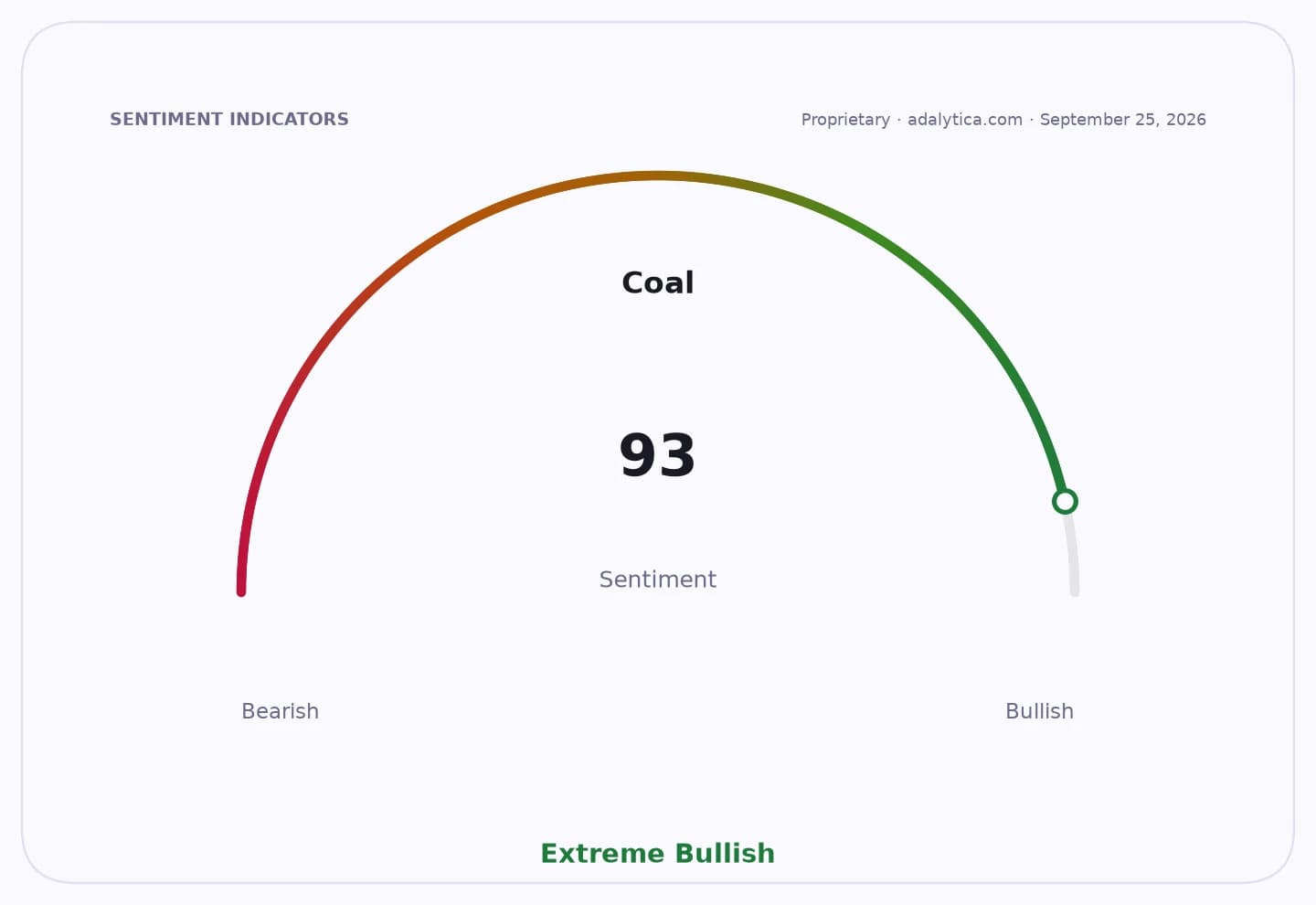
Gasoline shortages in Russia’s Orenburg region have eased enough that the local market no longer appears to be in outright collapse, yet the retreat in physical disruption has not removed the political risk that authorities may step in to cap pump prices. That matters because the region’s recovery comes against a backdrop of tight global fuel markets, volatile crude and refining margins, and a government still under pressure to keep retail fuel affordable without worsening supply distortions.
Russia Fuel Easing Masks Price-Cap Risk
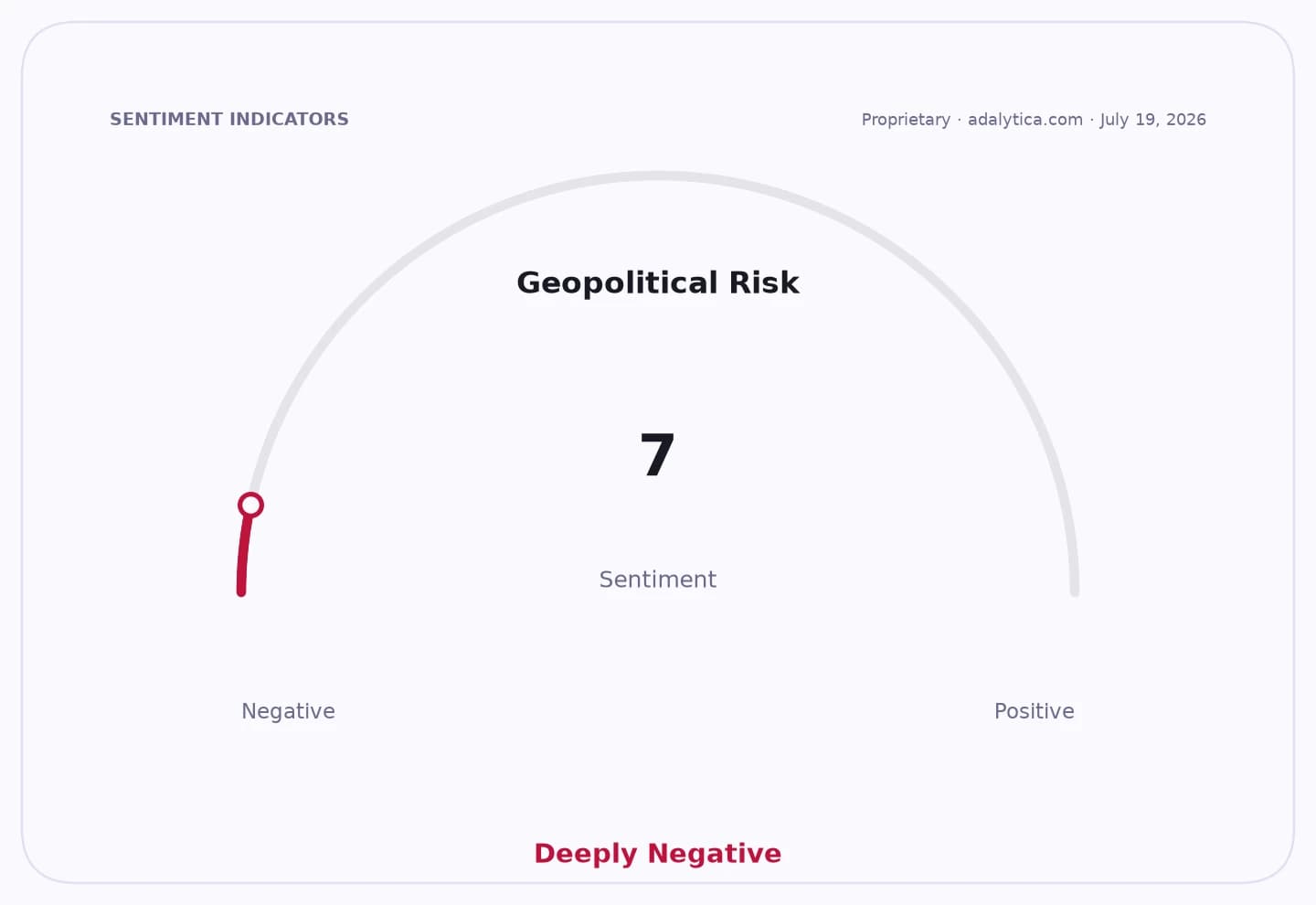
The immediate significance is that the shortage has shifted from a logistics emergency to a policy problem. When stations run dry, the economic damage is obvious: transport costs rise, local commerce slows and fuel retailers lose volume. But once the panic buying and station closures subside, the bigger question becomes whether state intervention will stabilize the market or deepen the shortage by squeezing already thin distribution margins. The energy minister’s warning on a possible price cap shows the authorities are leaning toward administrative relief rather than allowing prices to clear the market.
That tension matters for investors because it affects how energy economics flow through the chain. If retail prices are frozen while wholesale prices remain elevated, independent fuel distributors and smaller station networks bear the first hit. If margins are squeezed too far, fuel flows can tighten again, reviving the very shortage the policy was meant to prevent. For refiners and integrated producers, the risk is less about demand destruction than about state interference in the domestic downstream market and the possibility that supply is redirected toward more profitable channels.
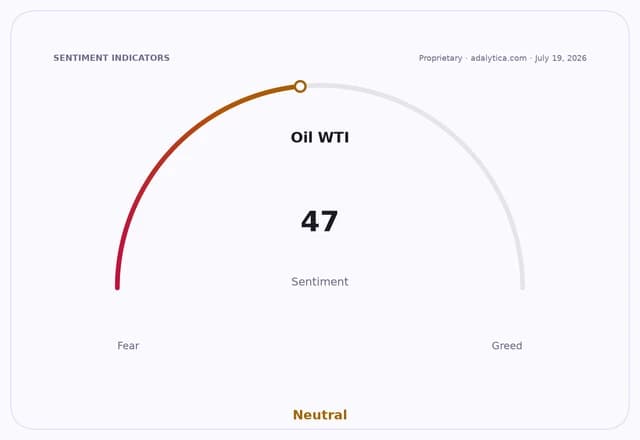
The broader fuel backdrop remains fragile. Brent-linked markets have swung sharply in recent months, while WTI has rebounded from early July lows to around $78 a barrel in the latest forecast, underscoring how quickly product economics can change. That volatility has left governments from Europe to emerging markets wrestling with affordability and availability at the same time. Russia’s regional shortages also sit within a wider pattern of supply stress, with the News context pointing to assistance from China and India and local stations closing elsewhere in Southeast Asia as fuel supply disruptions ripple beyond one market.
Oil WTI — 30-day sentimentadalytica.com
Explore this data interactively — full history, time series and cross-market comparisons.Open AlphaPulse
For energy investors, the takeaway is that the Orenburg episode is less a one-off than a signal of policy sensitivity in tight markets. Integrated names such as Exxon Mobil, Chevron and Occidental have seen their shares move in line with oil’s recent swings, while the underlying technical setup in those stocks remains firm after the latest rebound. But the real risk for downstream operators is that governments facing social pressure choose caps, subsidies or export controls instead of market-based adjustments, making regional shortages more likely to recur even when headline conditions improve.
The next test is whether Russian authorities can keep fuel flowing without turning a localized shortage into a broader pricing clampdown. If they do, the market should normalize further. If they don’t, the recent easing in Orenburg may prove temporary, with the next disruption showing up first in retail margins and then in supply.
| Entity | Gains | Losses |
|---|---|---|
| Consumers | ▲Short-term relief | ▼Higher prices if caps fail |
| Fuel retailers | ▲Stable supply if normalized | ▼Margin squeeze from caps |
| Refiners/integrated producers | ▲Stronger product economics | ▼Political pressure on domestic sales |
| Regional authorities | ▲Calmer stations | ▼Blame if shortages return |