A new Russian ice-class LNG tanker has been tested, a sign Moscow is still pushing to expand the fleet it needs to move Arctic gas despite sanctions, tighter shipping risk and volatile energy markets.
Russia tests new ice-class LNG tanker
The vessel matters because Russia’s long-term LNG export strategy depends on a small number of specialized ice-class carriers that can operate in harsh northern waters and keep cargoes moving from projects such as Yamal and the broader Arctic route. Without enough ships, production and export growth can be bottlenecked even if gas is available.
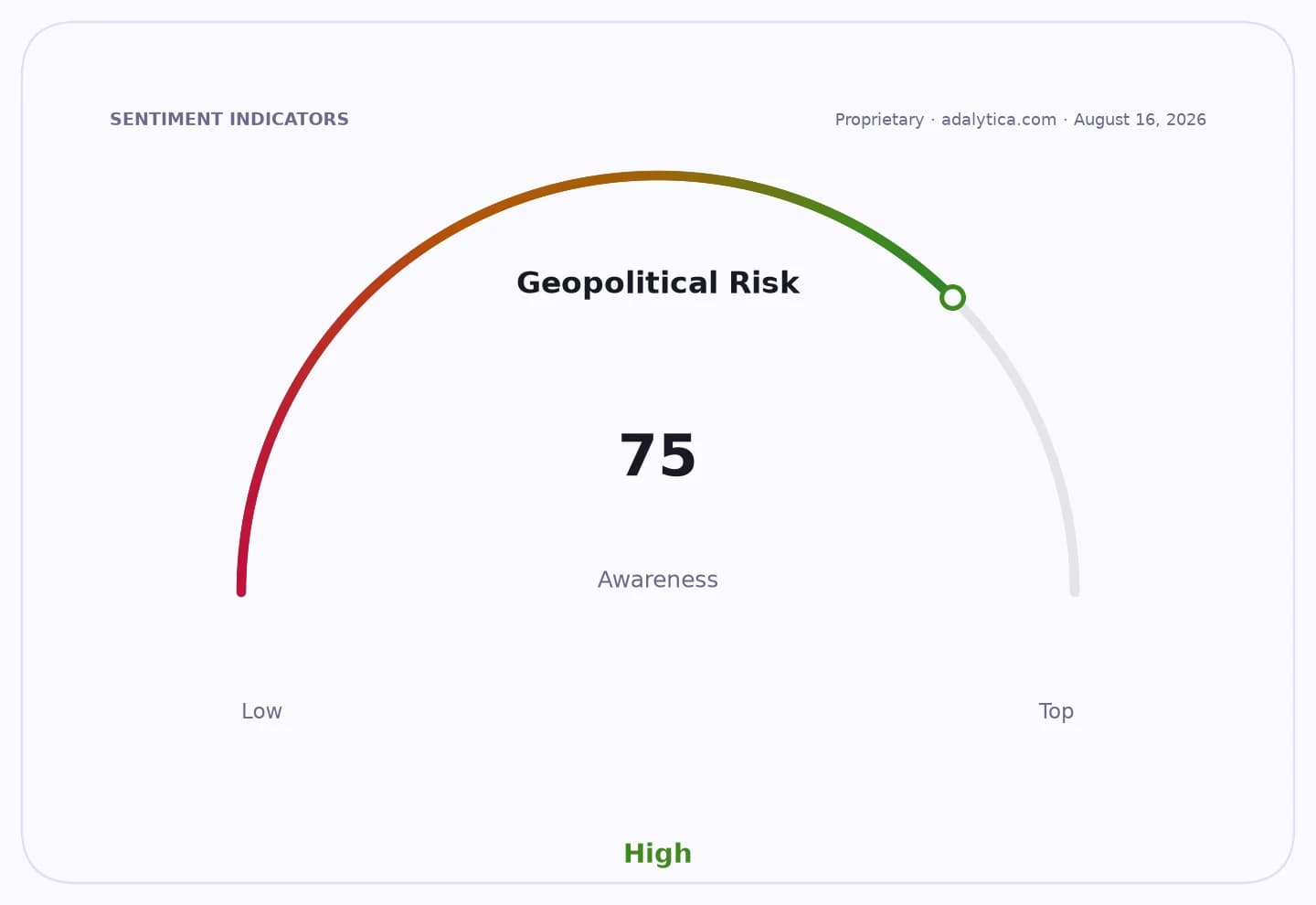
Sentiment IndicatorsⓘProprietary · adalytica.com · August 16, 2026
This is a snapshot — live sentiment, awareness and momentum for 130+ markets update continuously in the dashboard.Open AlphaPulse
For investors, the test is another reminder that Russia is trying to preserve its role in global seaborne energy trade by building up domestic shipping capacity at a time when Western equipment, financing and insurance are harder to secure. That can support LNG supply growth over time, but it also raises execution and geopolitical risks for shipowners, insurers, equipment suppliers and energy traders exposed to Arctic logistics.
The development comes as maritime risk in the region and nearby chokepoints remains elevated, with recent tanker incidents in the broader Middle East adding to concern over energy transport security. Any progress in Russia’s ice-class fleet could help sustain exports, but it also underscores how much of the market is still hostage to vessels, weather and sanctions rather than geology alone.
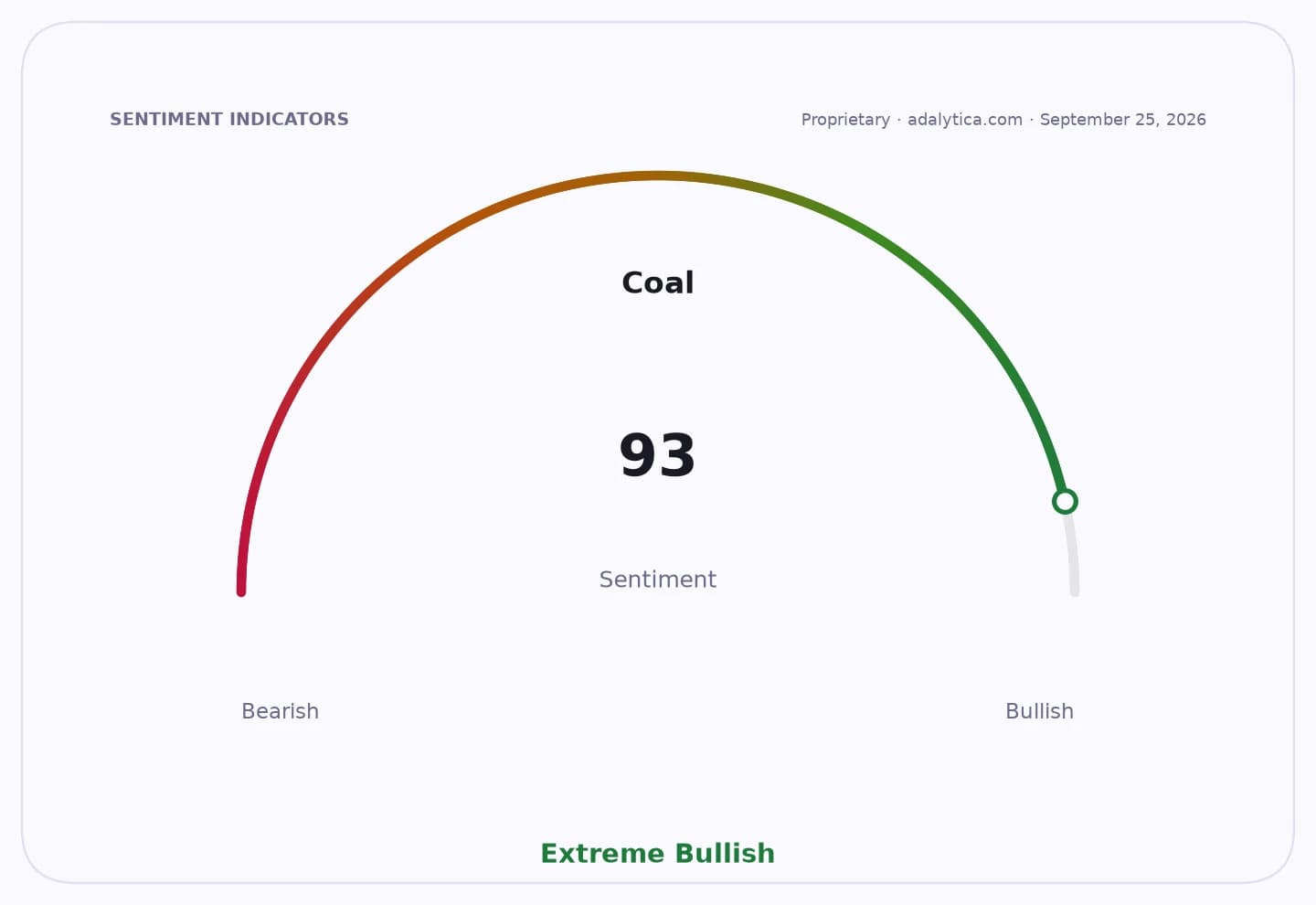
Shares of tanker operators such as NAT and TNK have already been firm, and the broader natural-gas complex has shown strong risk appetite, with Adalytica’s Natural Gas Market Trade Signals gauge flashing Extreme Greed. That leaves energy shipping and gas pricing sensitive to any fresh disruption, delivery test or sanction-related setback.
The next catalyst is whether Russia can move from a successful test to certified delivery and commercial deployment, a step that would determine how quickly the vessel can be folded into Arctic export routes and whether the country can keep scaling LNG exports into winter navigation seasons.
| Entity | Gains | Losses |
|---|---|---|
| Russia’s LNG exporters | ▲More shipping capacity | ▼Fewer export bottlenecks |
| Sanctions/compliance risks | ▲Stricter scrutiny | ▼Easier evasion of pressure |
| Tanker owners/operators | ▲Higher Arctic demand | ▼More geopolitical exposure |
| LNG buyers/traders | ▲Potential supply reliability | ▼Higher route and freight volatility |