Russia’s annual inflation rate eased to 6.95% in November, a modest but important step toward normalizing prices and giving the central bank more room to eventually shift away from emergency-tight policy.
Russia inflation eases to 6.95% in November
That matters because inflation remains the key variable for Russia’s economy, household spending and borrowing costs. A move from 7.11% in October may not look dramatic, but in a country where price stability has been tested by war-related supply shocks, sanctions and volatile energy and food markets, even incremental progress can shape policy expectations.
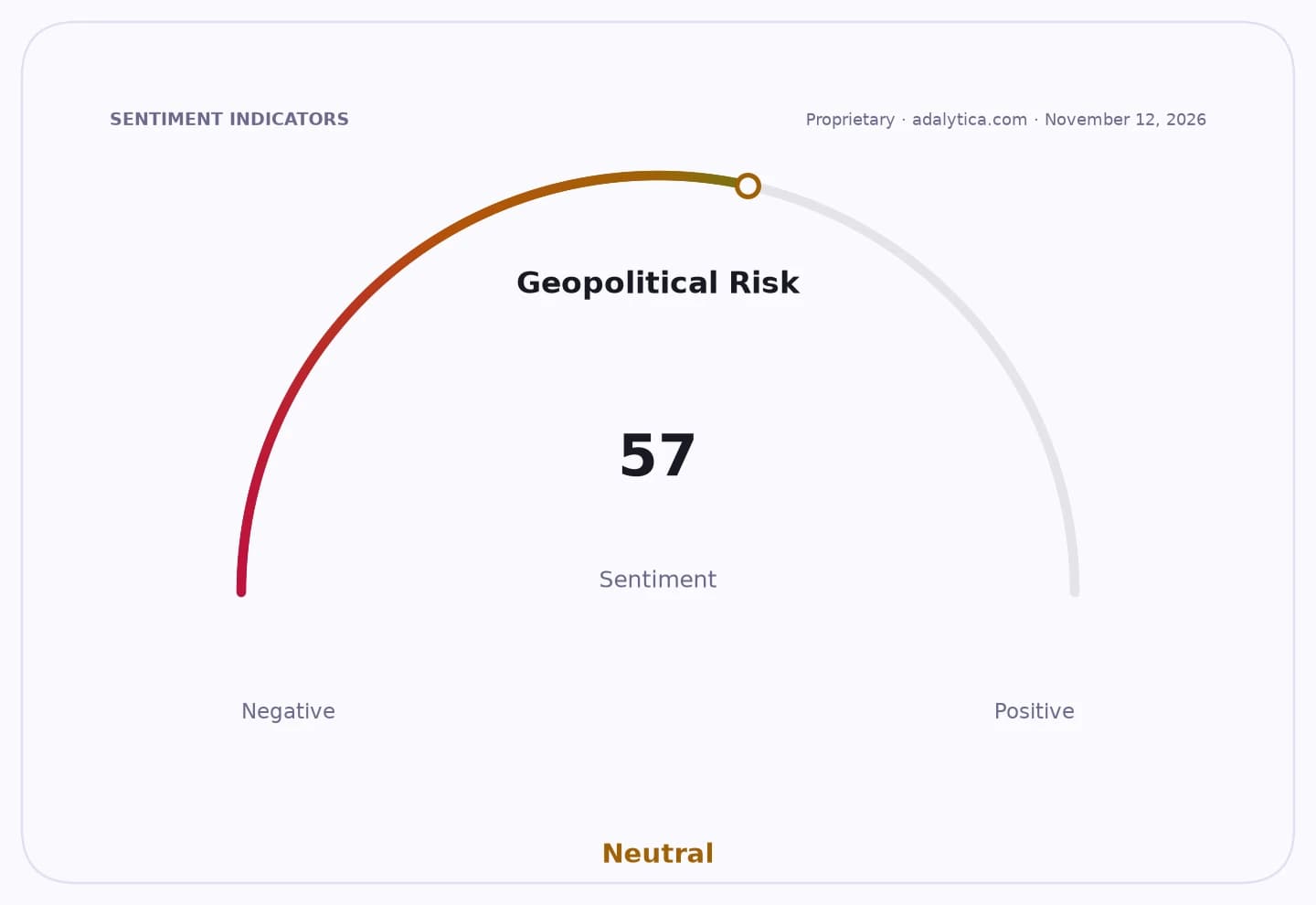
Sentiment Indicators
The economy ministry said food prices rose 0.31% in the week through Nov. 2, led by a 1.31% jump in fruit and vegetables, while non-food goods fell 0.43% and monitored services slipped 0.03%. That mix suggests inflation is cooling unevenly rather than collapsing, with some of the biggest cost pressures still coming from staples that matter most to consumers.
For investors, the key takeaway is that lower inflation improves the odds of eventual monetary easing, even if the Bank of Russia is unlikely to move quickly. Higher rates have been used to restrain prices, but they also weigh on credit demand, company investment and consumer activity. If inflation keeps drifting lower, pressure on policymakers to protect growth will rise.
The broader narrative is one of a fragile disinflation trend in an economy still living with geopolitical strain. Russia may be seeing some price relief, but the path back toward the central bank’s 4% target remains long, and the authorities have already signaled they may need to keep policy tight or even raise rates again if inflation does not cool further.
For long-term investors, that means the story is less about a single monthly reading and more about whether Russia can sustain disinflation without another hit to growth. Until that becomes clearer, the best approach is patience, diversification and a focus on companies with pricing power and resilient cash flow. Worth watching.
| Entity | Gains | Losses |
|---|---|---|
| Russian consumers | ▲Slower price growth | ▼Still-elevated living costs |
| Bank of Russia | ▲More room for future easing | ▼Less urgency to declare victory |
| Borrowers | ▲Potentially lower rates later | ▼Tight credit in the near term |
| Retailers/importers | ▲Softer non-food price pressure | ▼Weak demand if policy stays tight |