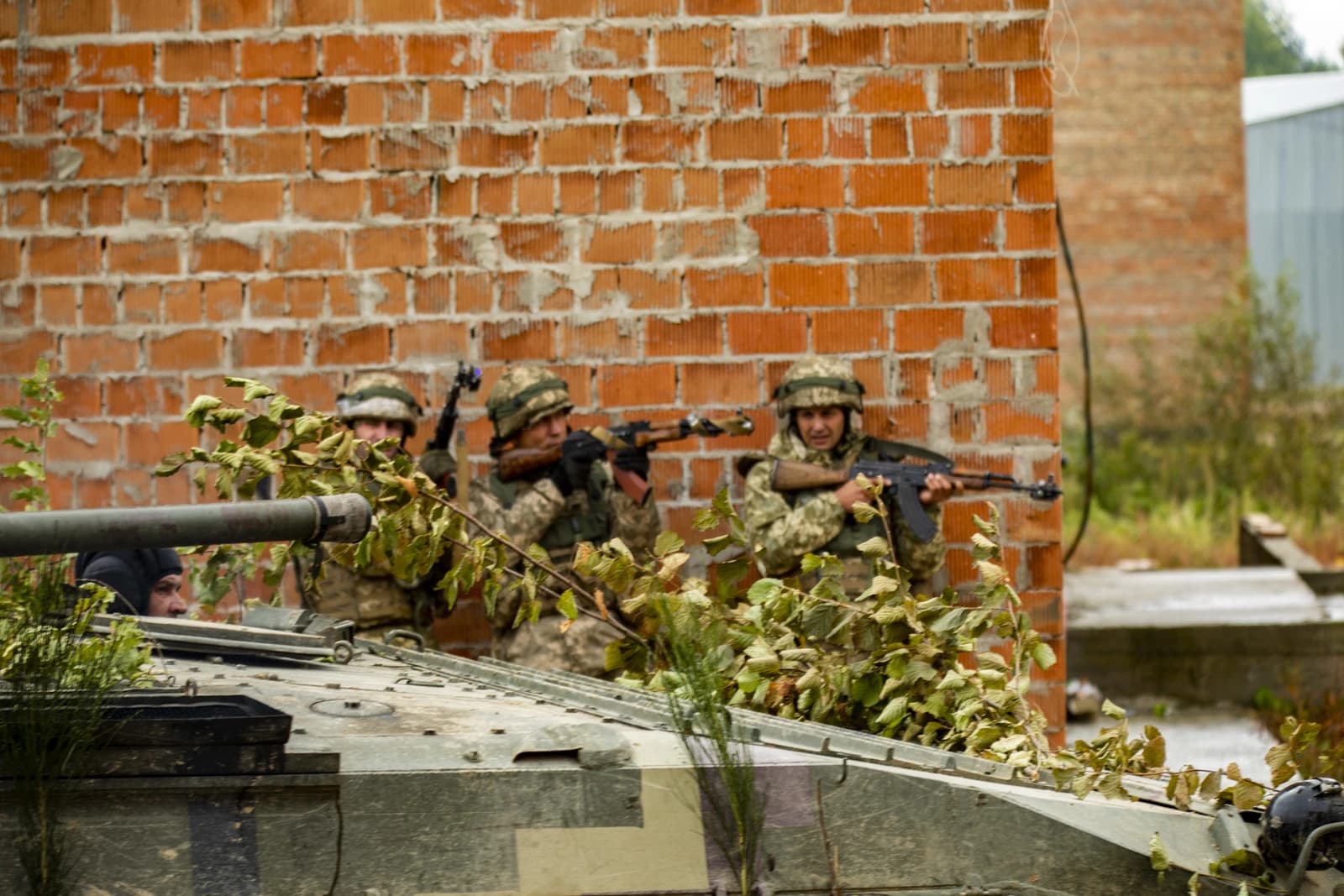
Russia launched ballistic missiles at Kyiv and struck energy infrastructure in an attack that killed at least one person and wounded 17, underscoring Moscow’s effort to pressure Ukraine by battering the capital’s power system ahead of winter.
Russia strikes Kyiv energy infrastructure again
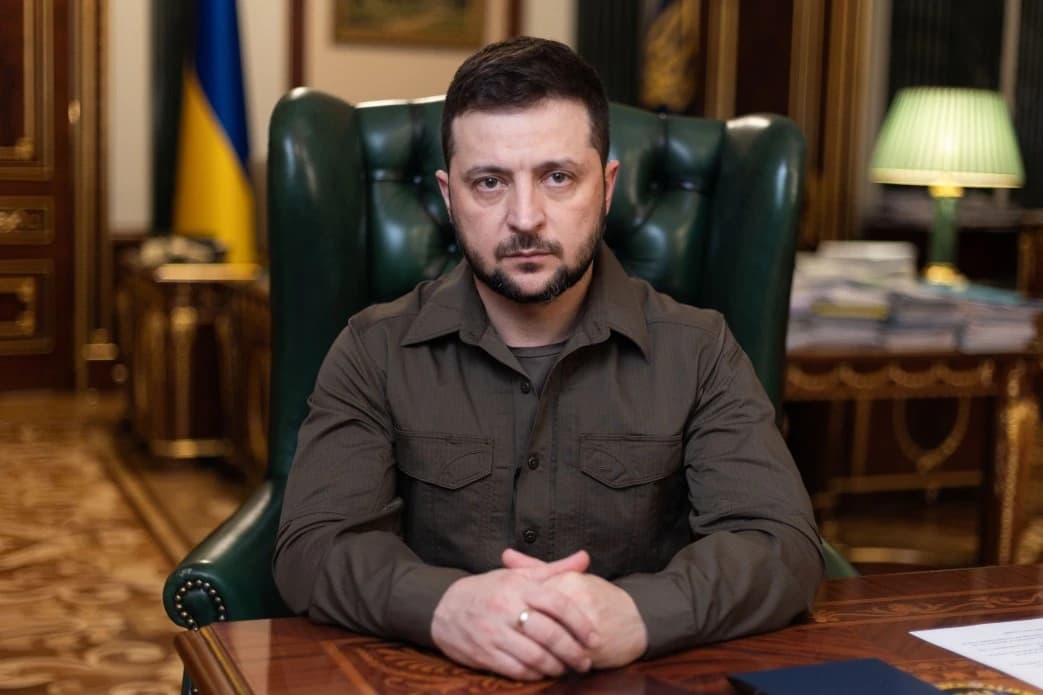
President Volodymyr Zelensky said the main target was energy infrastructure, including a heat-and-power plant, and warned that intelligence points to more missile attacks being prepared. The strikes also damaged apartment buildings and triggered evacuations after fires broke out in residential blocks.
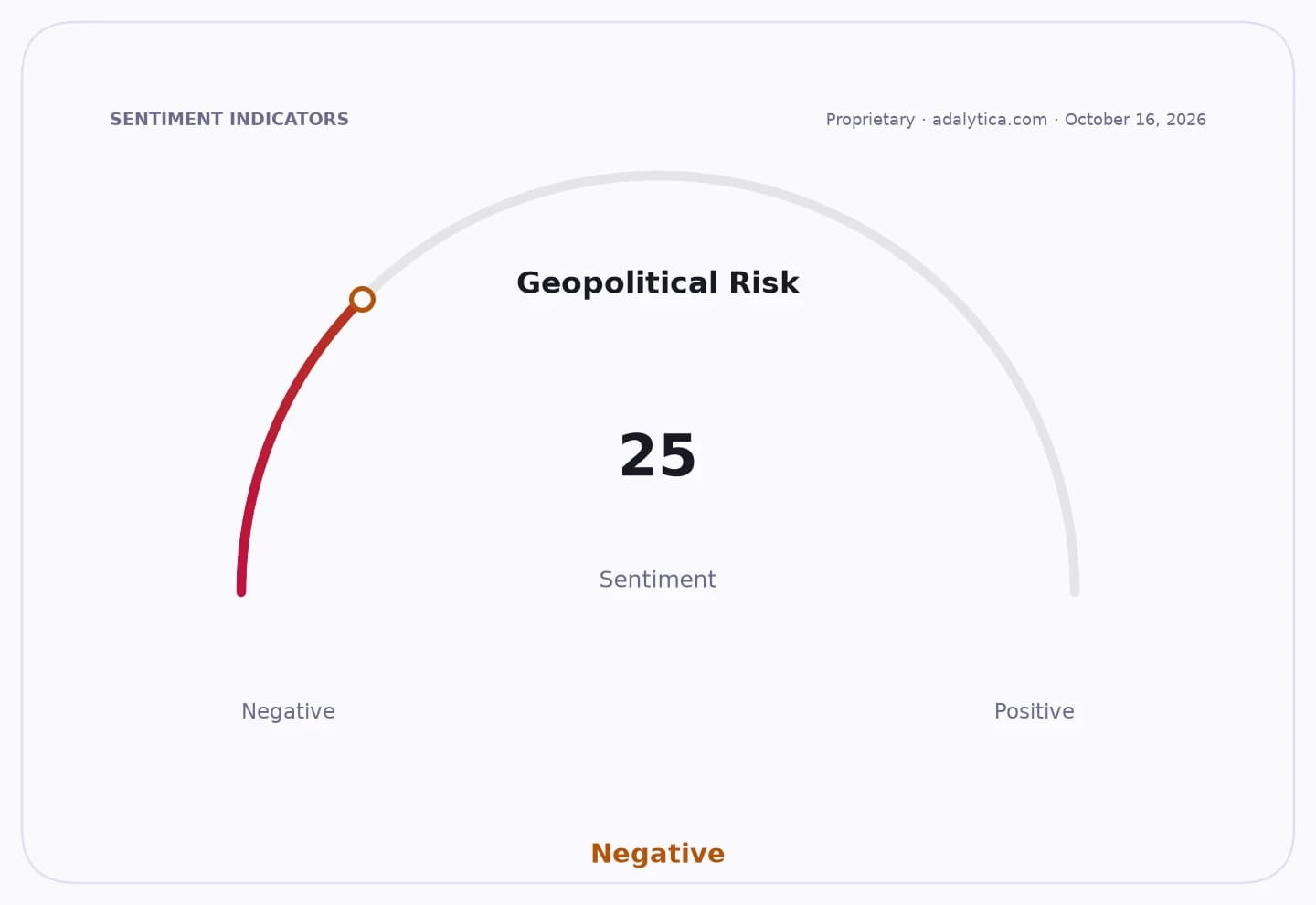
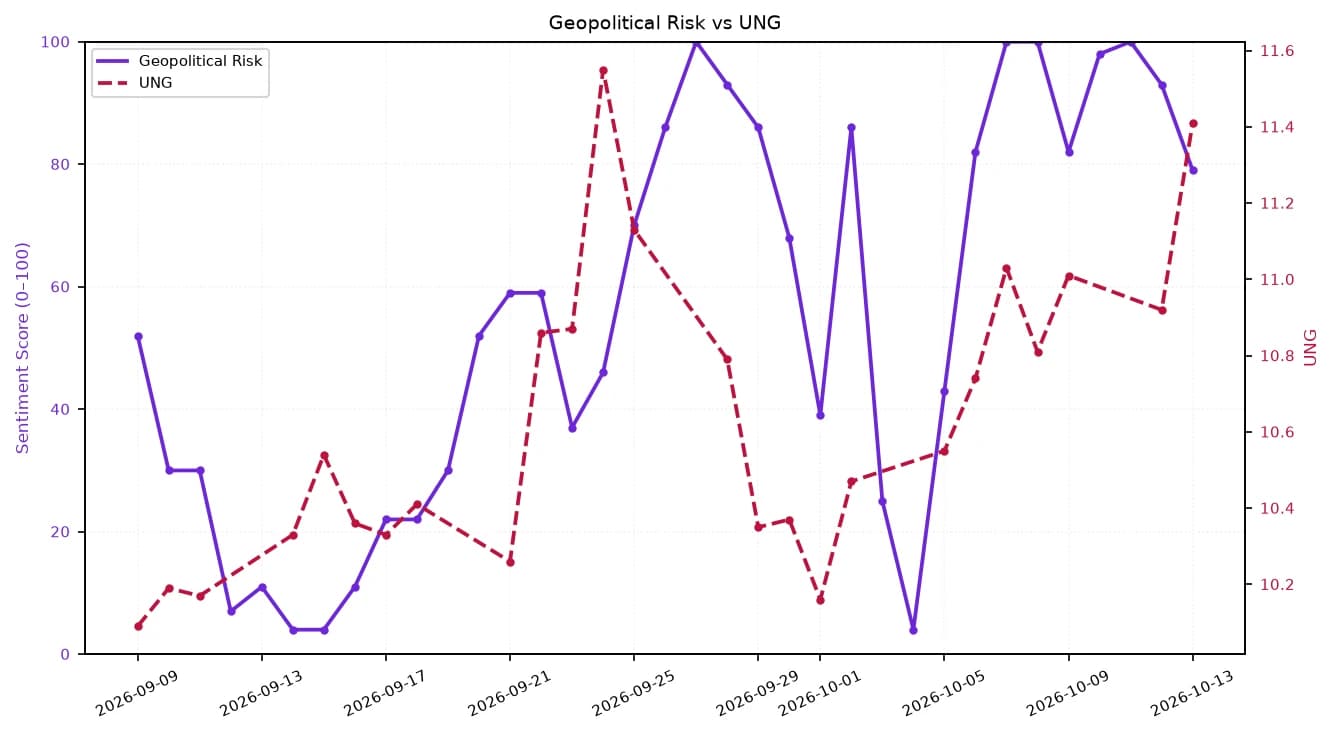
Sentiment IndicatorsⓘProprietary · adalytica.com · October 14, 2026
This is a snapshot — live sentiment, awareness and momentum for 130+ markets update continuously in the dashboard.Open AlphaPulse
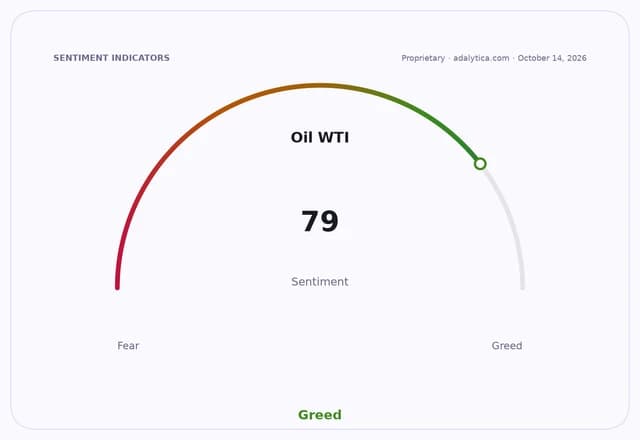
The attack matters economically because repeated hits on Ukraine’s electricity and heating networks can deepen outages, disrupt transport and industry, and raise the cost of keeping the capital functioning through the cold season. For Kyiv, the immediate risk is not only physical destruction but a further squeeze on power supply, heating reliability and household resilience.
The assault also highlights the fragility of any ceasefire language around energy facilities. Zelensky said Ukraine was not warned in advance by Western partners, while Moscow has not formally endorsed the energy ceasefire announced by U.S. President Donald Trump over the weekend, leaving the prospect of reduced attacks uncertain.
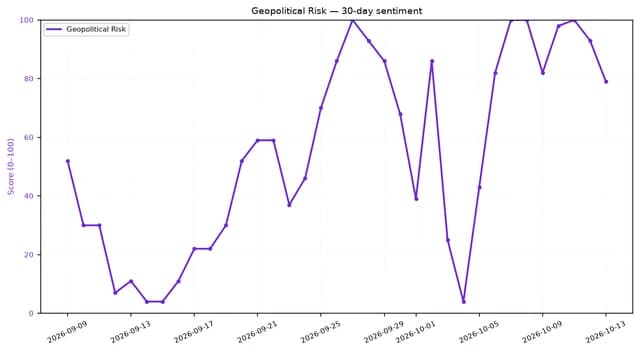
For investors, the renewed strikes reinforce the war-risk premium in energy and broader risk assets. Crude benchmarks and energy ETFs have already shown sensitivity to geopolitical shocks, with U.S. oil ETF USO trading at $153.09 and the Energy Select Sector SPDR XLE at $67.20 in recent sessions, while gold and other havens typically draw support when conflict intensity rises.
The bigger narrative is that Russia is trying to turn Ukraine’s energy grid into a winter battlefield, betting that sustained pressure on utilities and infrastructure can erode civilian morale and strain state finances even if front-line gains remain limited. If the attacks intensify, the next catalysts will be further missile salvos, damage assessments and any response from Washington and European capitals on intelligence sharing, air defenses and energy-sector support.
| Entity | Gains | Losses |
|---|---|---|
| Russia | ▲military pressure leverage | ▼global goodwill |
| Ukraine government | ▲western support urgency | ▼infrastructure stability |
| Energy companies / ETFs | ▲geopolitics-driven demand | ▼if risk fades |
| Kyiv residents | ▲none | ▼power, heating, safety |