Russia’s reported preparations for a fresh mobilization campaign, potentially involving as many as 500,000 troops, raise the odds of a longer, harsher war in Ukraine and keep a geopolitical risk premium embedded in European markets.
Russia mobilization talk lifts Europe risk premium
For investors, the significance is not the headline itself but the second-order effects: a larger force would allow Moscow to sustain pressure on the front line, complicate any near-term ceasefire calculus and increase the chance of additional sanctions, energy disruption and cross-border instability. That is exactly the kind of shock that keeps capital cautious on Europe even when domestic economic data improve.
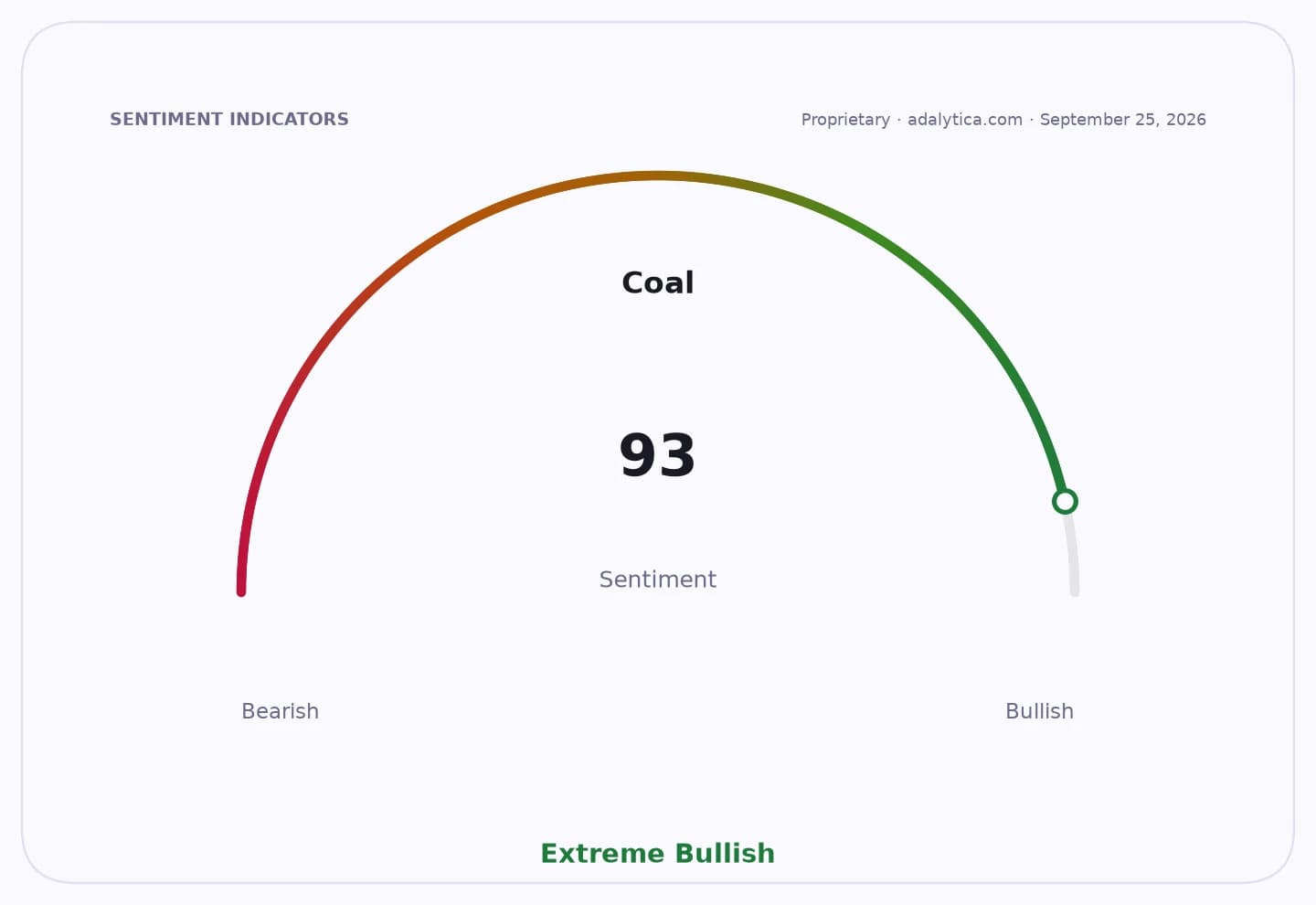
Sentiment IndicatorsⓘProprietary · adalytica.com · August 1, 2026
This is a snapshot — live sentiment, awareness and momentum for 130+ markets update continuously in the dashboard.Open AlphaPulse
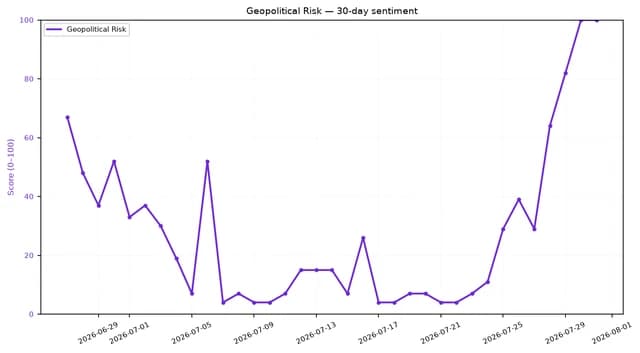
Ukrainian President Volodymyr Zelensky has said Moscow is preparing a major new mobilization, while Russian officials continue to deny an imminent broad call-up. Still, the market is pricing something closer to escalation than de-escalation. Adalytica’s Global Stability Sentiment snapshot is at 100.0, labeled “Extreme Greed,” even as awareness sits at just 4.0, or “Extreme Fear,” a combination that often appears when investors are pushing into risk assets while the geopolitical backdrop is still fragile.
That tension helps explain why European exposure has been resilient but still sensitive to headline risk. The iShares MSCI United Kingdom ETF, EWU, has climbed to 48.41 from 43.23 in March, with its 50-day moving average at 46.49 and the 200-day at 44.80, suggesting the market is leaning into stability rather than preparing for a shock. The iShares MSCI China ETF, KWEB, has also recovered to 28.49, but that rebound sits on a separate and equally fragile macro bet: that global risk appetite can hold even as geopolitical stress remains elevated.
This is where the investable story gets interesting. If Russia widens the war through mobilization, the most obvious beneficiaries are defense contractors, cybersecurity names, energy producers and any company tied to European security spending and infrastructure hardening. The losers are imported-energy consumers, travel and leisure names, and investors relying on a clean disinflation trade in Europe. A mobilization-driven escalation would also keep pressure on the euro-zone policy mix by sustaining defense outlays and forcing governments to balance military support, sanctions enforcement and domestic budget strain.
The market is still underestimating how mobilization changes the conflict’s economics. A larger Russian force is not just a military variable; it is a fiscal and social one, implying more state spending, deeper labor distortions and potentially more pressure on households and migration patterns. Reports of panic and emigration, including flows toward Armenia, underscore that the costs are spreading beyond the battlefield.
For investors, that argues for staying positioned in the beneficiaries of prolonged geopolitical fragmentation rather than chasing a premature peace dividend. Defense ETFs, energy infrastructure, uranium, cyber and select European industrials tied to rearmament remain the cleaner expression of this theme. If Moscow confirms a new mobilization wave, the next market move is likely to reward those already exposed to the war-economy trade.
| Entity | Gains | Losses |
|---|---|---|
| Defense contractors | ▲Higher orders | ▼Peace dividend bets |
| Energy producers | ▲Geopolitical premium | ▼Energy importers |
| European security stocks | ▲Rearmament spending | ▼Low-volatility complacency |
| Ukraine/Russia peace hopes | ▲— | ▼Near-term ceasefire odds |