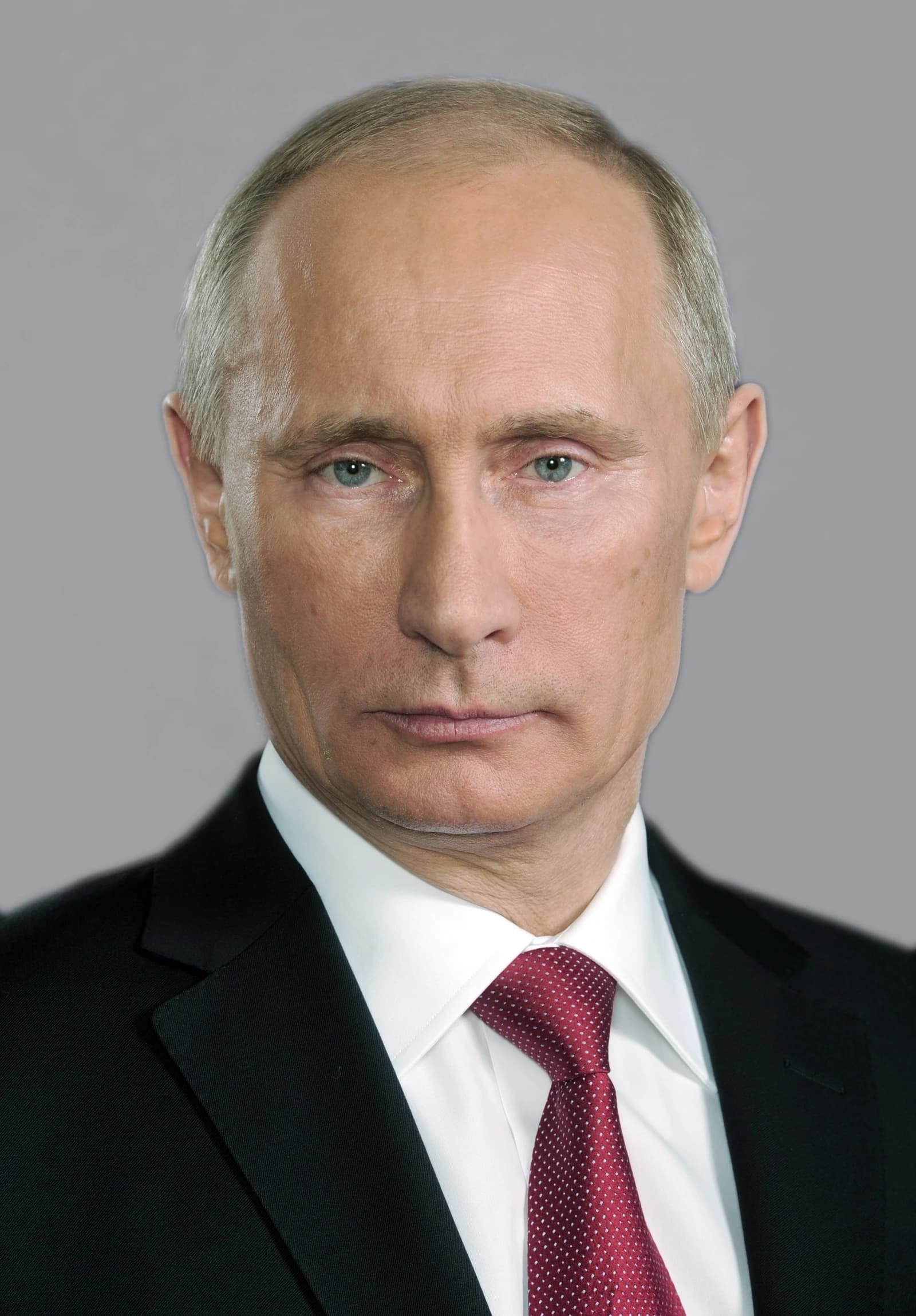
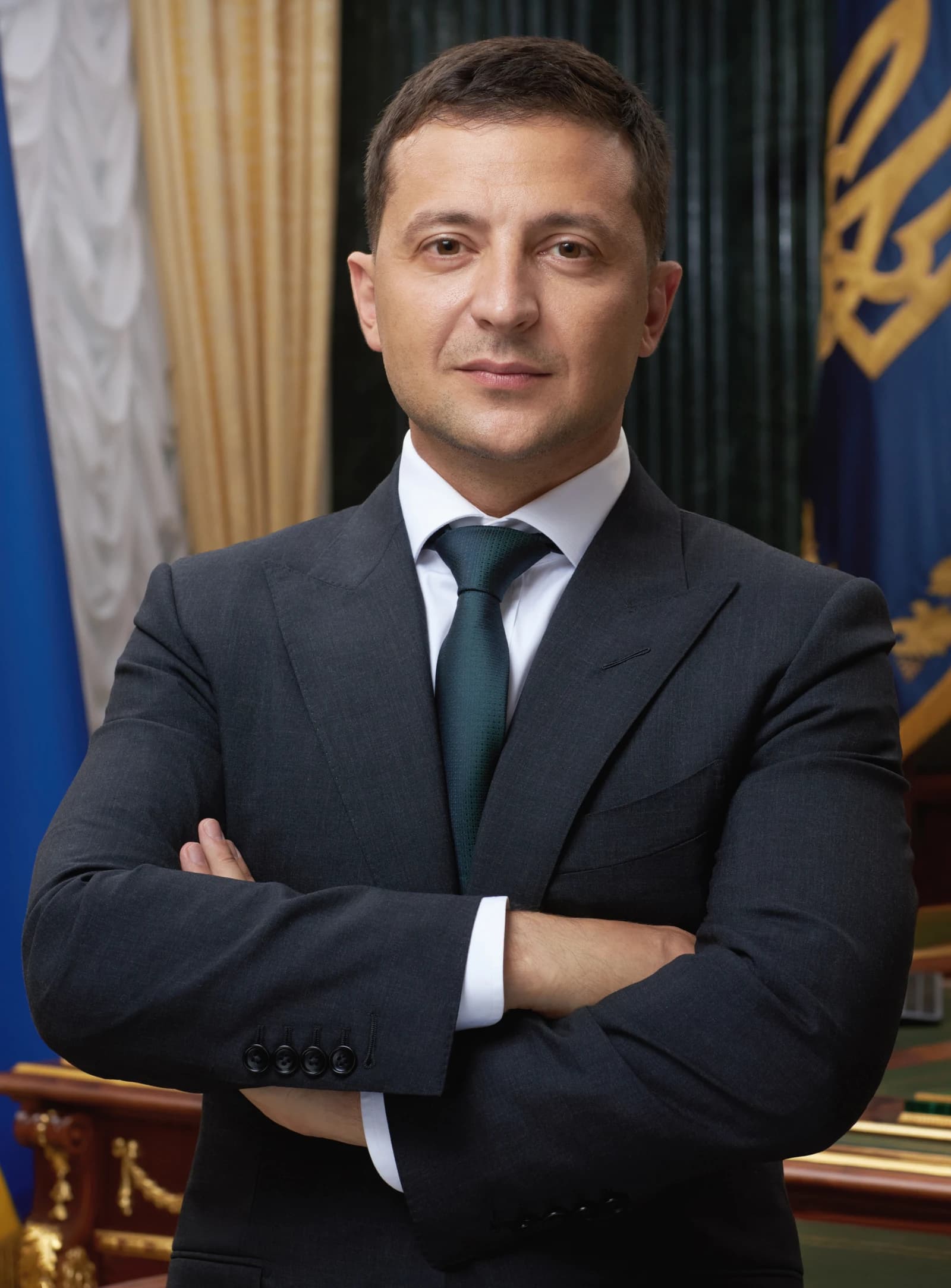
Russian President Vladimir Putin is denying any plan for a new military mobilization even as Ukraine says Moscow is preparing to pull in tens of thousands more troops, keeping alive a politically sensitive question for investors: how long the Kremlin can sustain the war without widening its conscription base.
Russia mobilization denial keeps war risk in focus

The issue matters economically because another call-up would deepen Russia’s labor shortages, add pressure to a still-tight domestic economy and risk pushing more working-age men to flee. It also matters for markets because escalation in the war tends to support energy prices, lift global risk premiums and keep sanctions risk elevated for commodities, shipping and emerging-market assets tied to the region.
Sentiment IndicatorsⓘProprietary · adalytica.com · September 9, 2026
This is a snapshot — live sentiment, awareness and momentum for 130+ markets update continuously in the dashboard.Open AlphaPulse
Putin has dismissed reports of renewed mobilization as disinformation ahead of legislative elections, a reminder that the Kremlin is trying to manage both battlefield needs and domestic stability. But the denial has not calmed speculation, with Volodymyr Zelensky saying Russia is preparing a large-scale recruitment drive, while Ukrainian officials point to more than 20,000 confirmed Russian mobilized soldiers killed in the conflict.
The prospect of a fresh draft has already fed another round of emigration from Russia, underscoring the social cost of a war that is increasingly reaching beyond the front line. For the Kremlin, mobilization is a trade-off between manpower and political risk; for investors, it is a gauge of how far Moscow may need to go to keep the war funded and staffed.
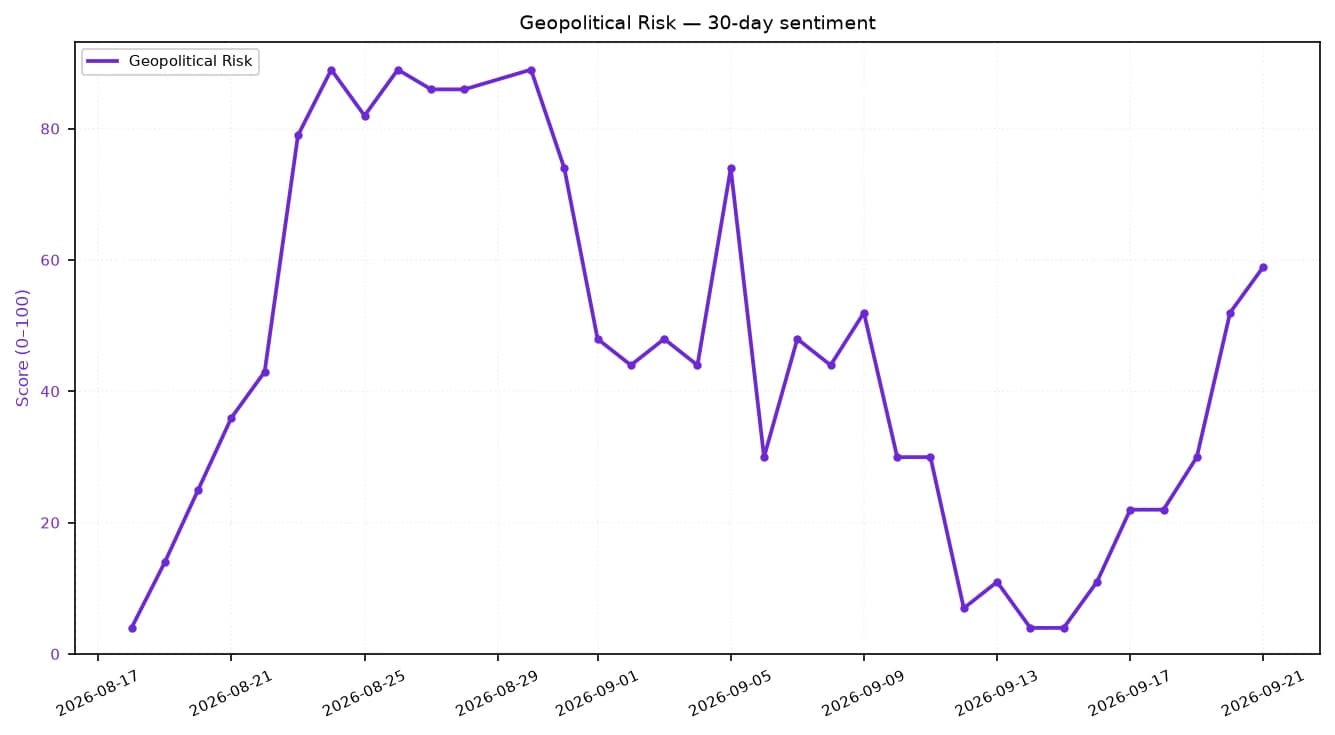
Geopolitical Risk — 30-day sentimentadalytica.com
Explore this data interactively — full history, time series and cross-market comparisons.Open AlphaPulse
The social strain is compounded by mounting casualties and an economy under sanctions pressure, with the Russian Orthodox Church even displaying relics to encourage troops — a sign of how hard Moscow is working to sustain morale. As winter approaches, any shift in mobilization policy would be watched closely for its impact on the war’s trajectory, Russia’s domestic stability and the broader energy market.
| Entity | Gains | Losses |
|---|---|---|
| Kremlin / Russian military | ▲More manpower if mobilization expands | ▼Labor market stability, political calm |
| Ukraine | ▲International support if escalation intensifies | ▼Easier battlefield conditions if Russia adds troops |
| Energy traders | ▲Higher geopolitical risk premium | ▼Lower volatility if war pressure eases |
| Russian households / workers | ▲None | ▼Draft risk, emigration pressure, economic disruption |