Russia is not trying to abandon the dollar, the Kremlin said, even as Moscow pushes deeper into non-dollar trade with BRICS partners ahead of a leaders’ summit in India.
Russia says it is not abandoning the dollar

The message matters because it underscores a pragmatic shift in Russia’s payments architecture rather than an outright bid to create a dollar-free bloc. For investors, the distinction is important: Russia still wants access to any usable settlement channel, but sanctions pressure and geopolitical friction are steadily reducing the role of the greenback in its external trade and tightening the links between currency policy, capital controls and commodity flows.
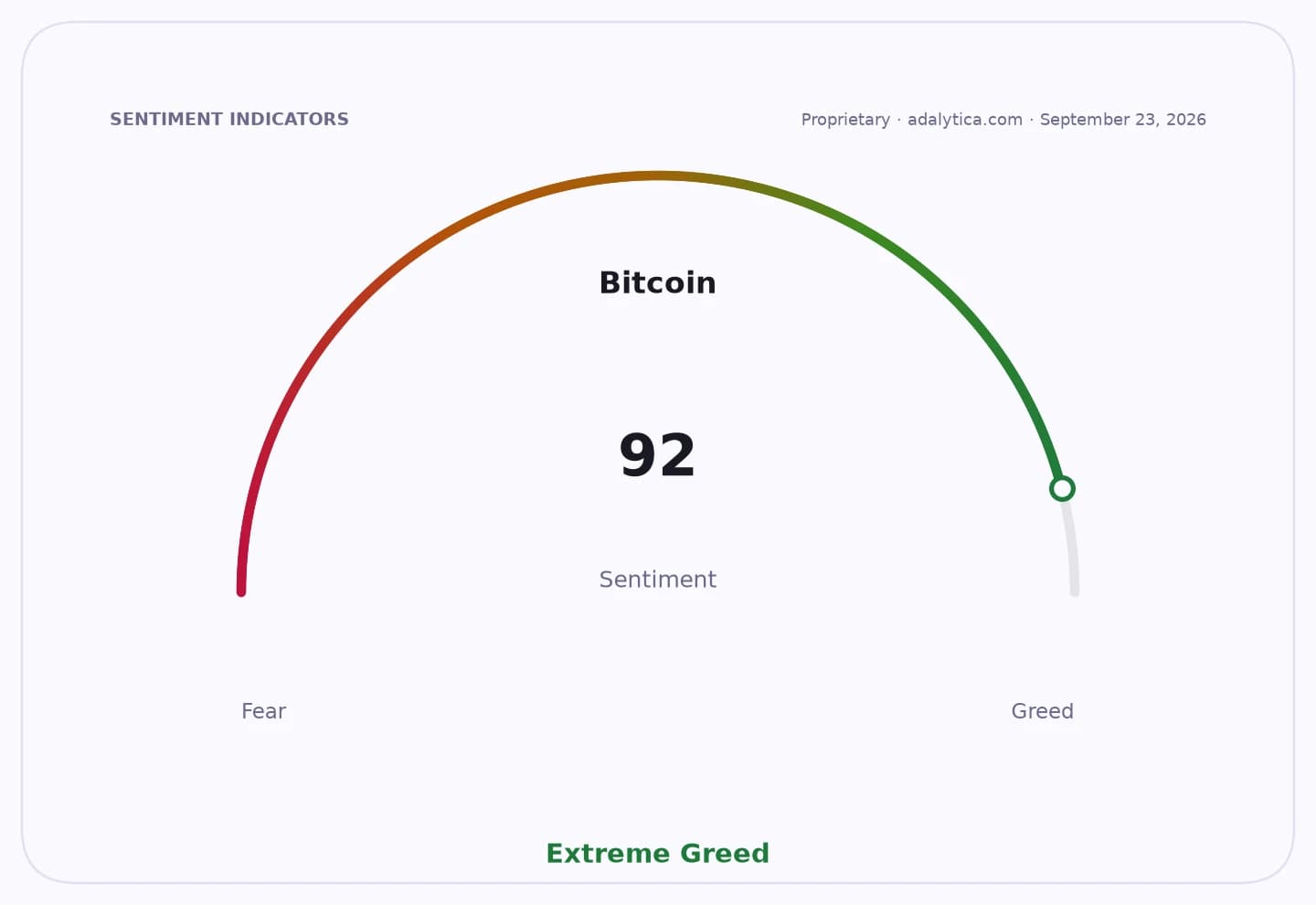
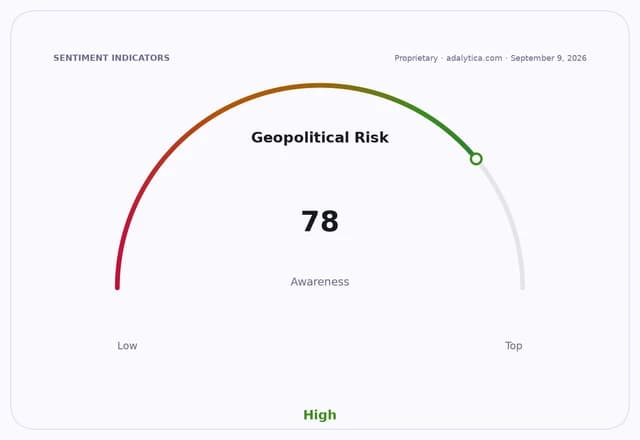
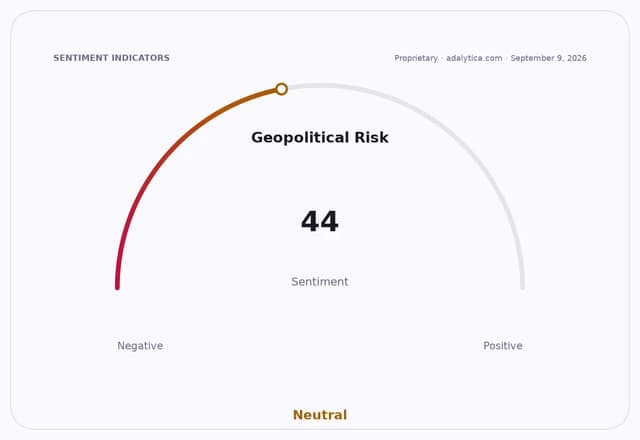
Sentiment IndicatorsⓘProprietary · adalytica.com · September 9, 2026
This is a snapshot — live sentiment, awareness and momentum for 130+ markets update continuously in the dashboard.Open AlphaPulse
Kremlin spokesman Dmitry Peskov told journalists that Moscow is “open to all acceptable payment methods” and that some countries use their national currencies “as a political tool.” He did not name any country, but the comments came days before the BRICS summit in New Delhi on Sept. 12-13, where President Vladimir Putin is due to take part.
Peskov said about 90% of transactions between Russia and BRICS nations are already settled in national currencies, while an issue involving the buildup of Indian rupees on Russian company balance sheets from bilateral trade is being “resolved gradually.” That detail matters for Russia’s trade balance: when exporters accumulate illiquid local currency rather than dollars, it can complicate import payments, corporate cash management and reserve allocation.
The Kremlin is trying to frame the change as operational rather than ideological. That is consistent with Moscow’s broader response to Western sanctions, which has forced exporters, banks and state institutions to route payments through alternative currencies and counterparties. The result is less a clean break from the dollar than a fragmented system in which settlement currency is increasingly determined by politics, sanctions exposure and bilateral bargaining power.
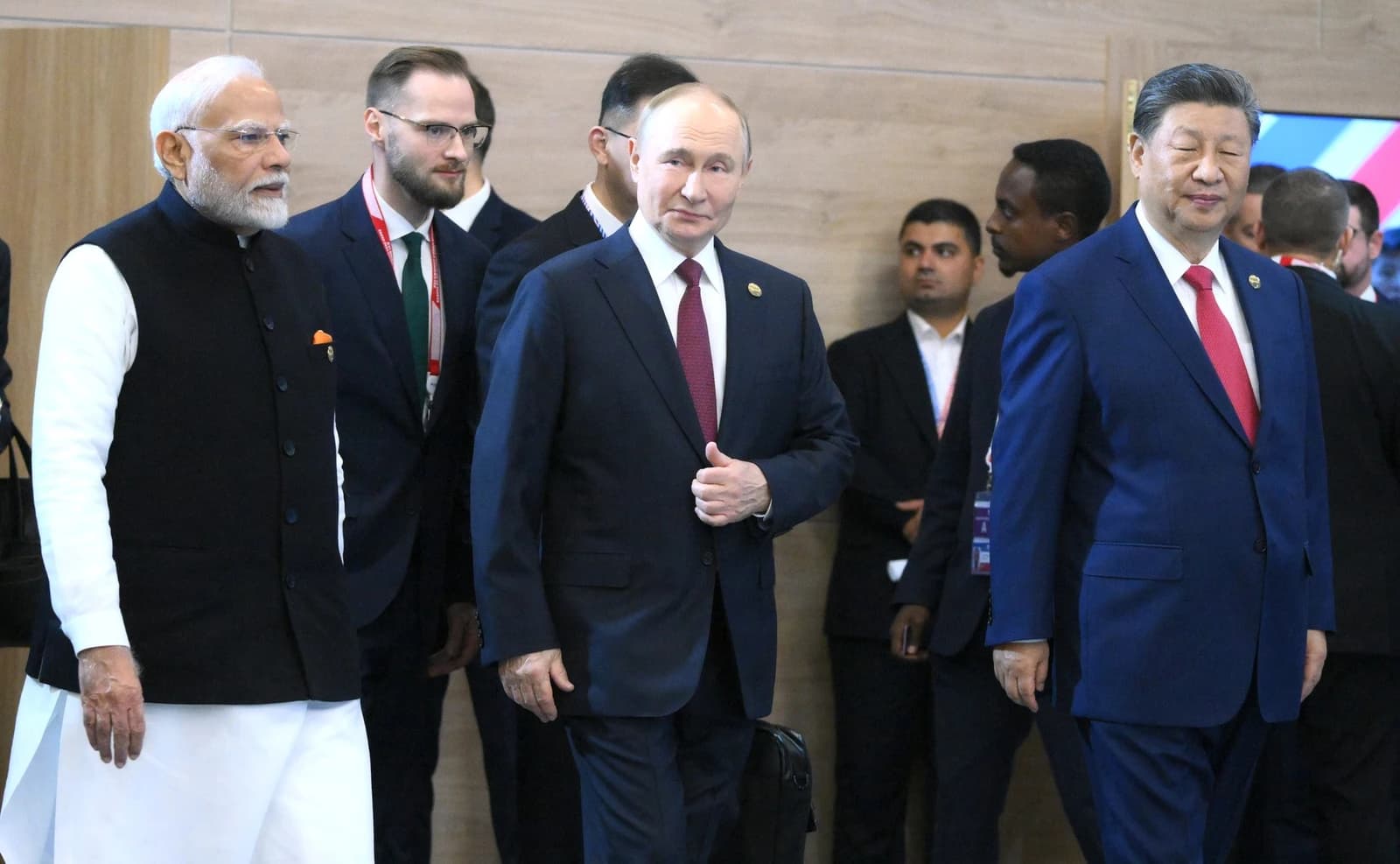
India sits at the center of that shift. Russian officials said Putin will meet Prime Minister Narendra Modi on Friday, with trade and economic ties expected to dominate. The two countries are also discussing cooperation in rare-earth exploration, a reminder that the financial relationship is tied to strategic commodities and supply-chain security, not just currency mechanics.
For markets, the immediate impact is less about the dollar’s global reserve status than about the currency mix used in sanctioned trade. The dollar’s role remains dominant in global finance, but Russia’s pivot toward local-currency settlement supports demand for alternative payment rails, boosts the relevance of bilateral currency arrangements and reinforces the case for exporters and importers to hedge settlement risk more actively.
The broader implication is that de-dollarization, where it is happening, is being driven by necessity rather than conviction. That leaves room for continued dollar use where it is still needed, while preserving the Kremlin’s political narrative that Russia is choosing flexibility, not retreat. Investors should watch whether the BRICS meetings produce more concrete settlement mechanisms, and whether rupee, yuan or other local-currency balances continue to build faster than trade can absorb them.
| Entity | Gains | Losses |
|---|---|---|
| Russia | ▲Greater payment flexibility | ▼Less dollar liquidity |
| India | ▲Stronger trade leverage | ▼Rupee accumulation risk |
| BRICS partners | ▲More local-currency settlement | ▼Higher FX friction |
| Dollar system | ▲Still dominant globally | ▼Some trade share erosion |