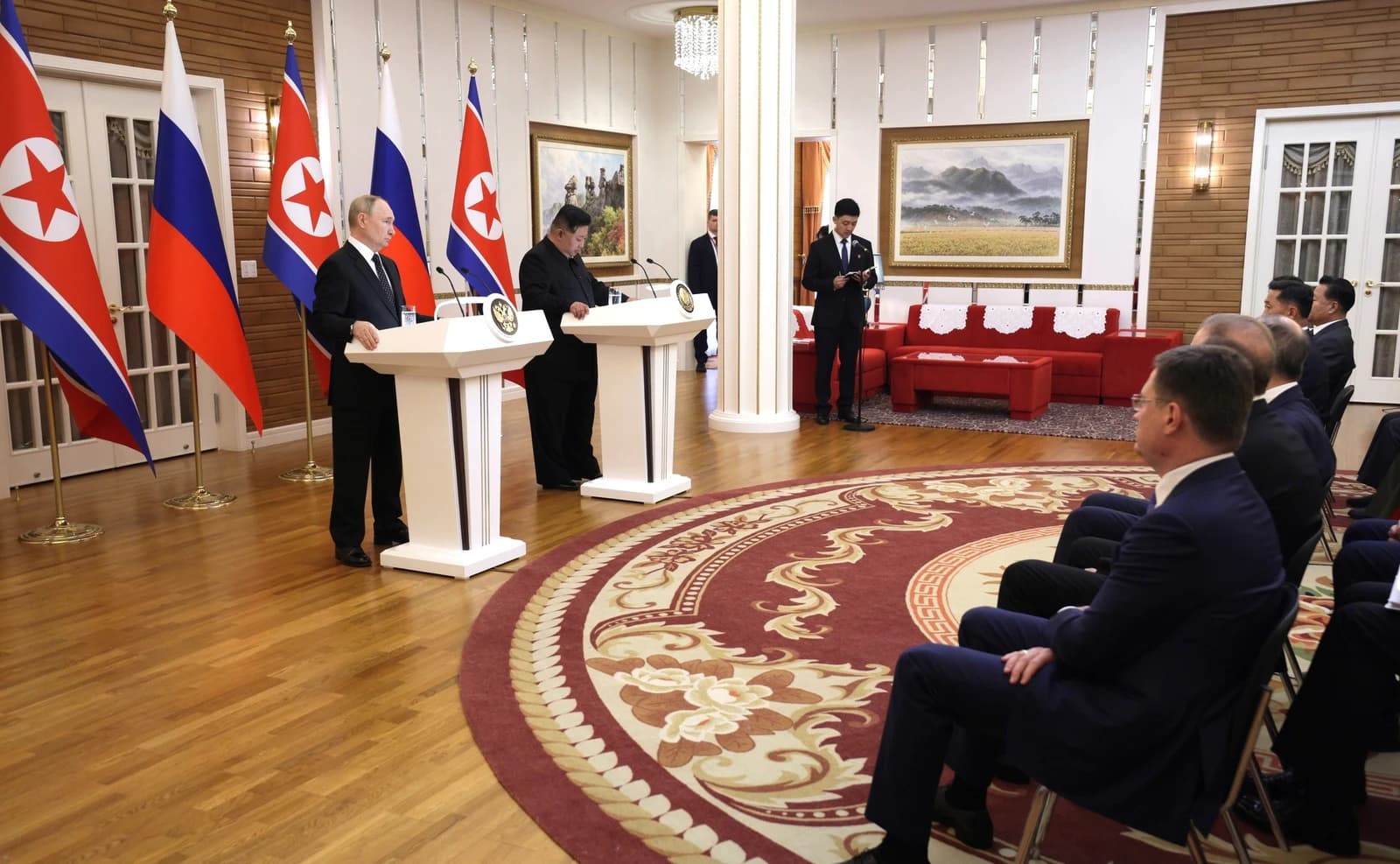
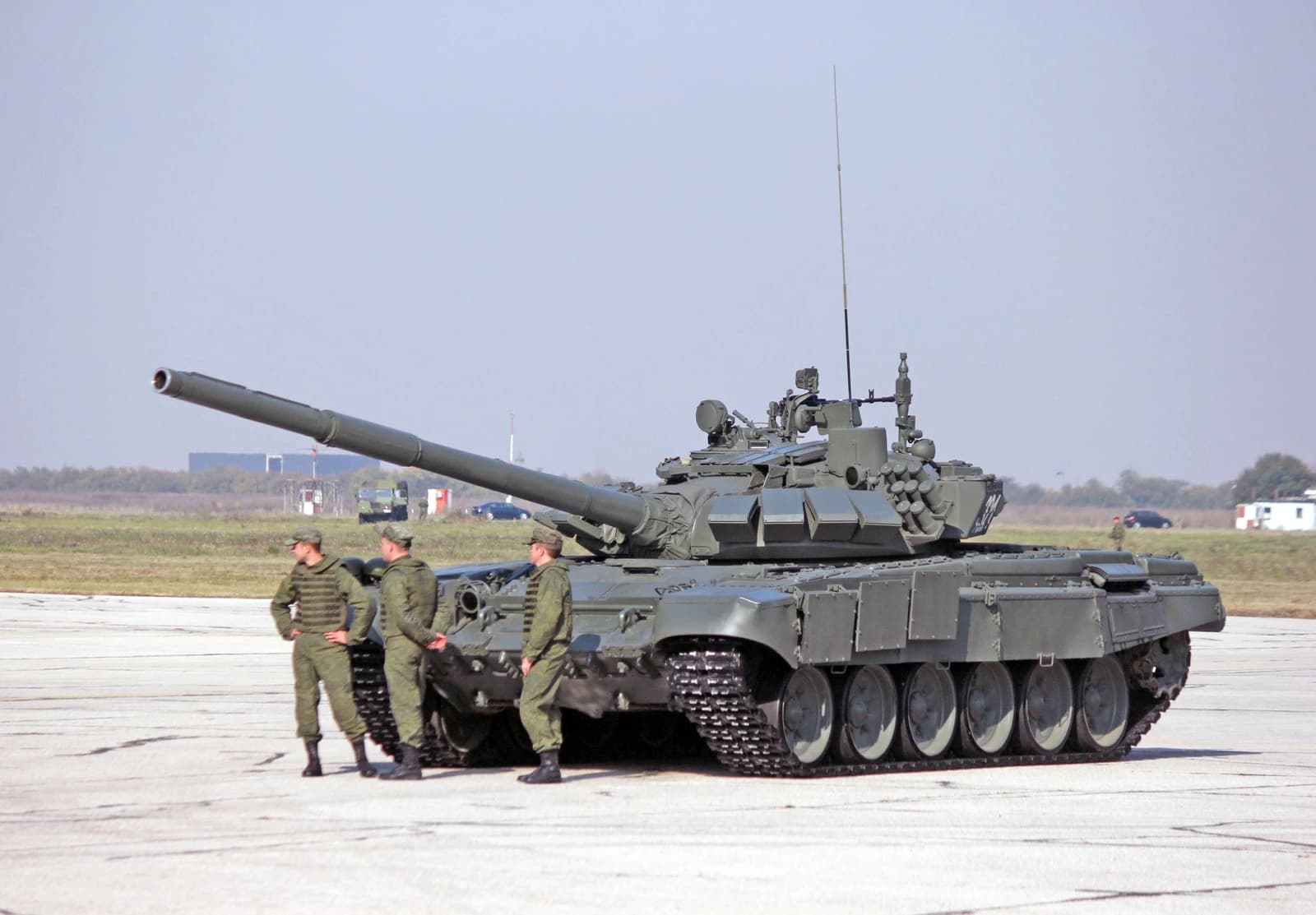
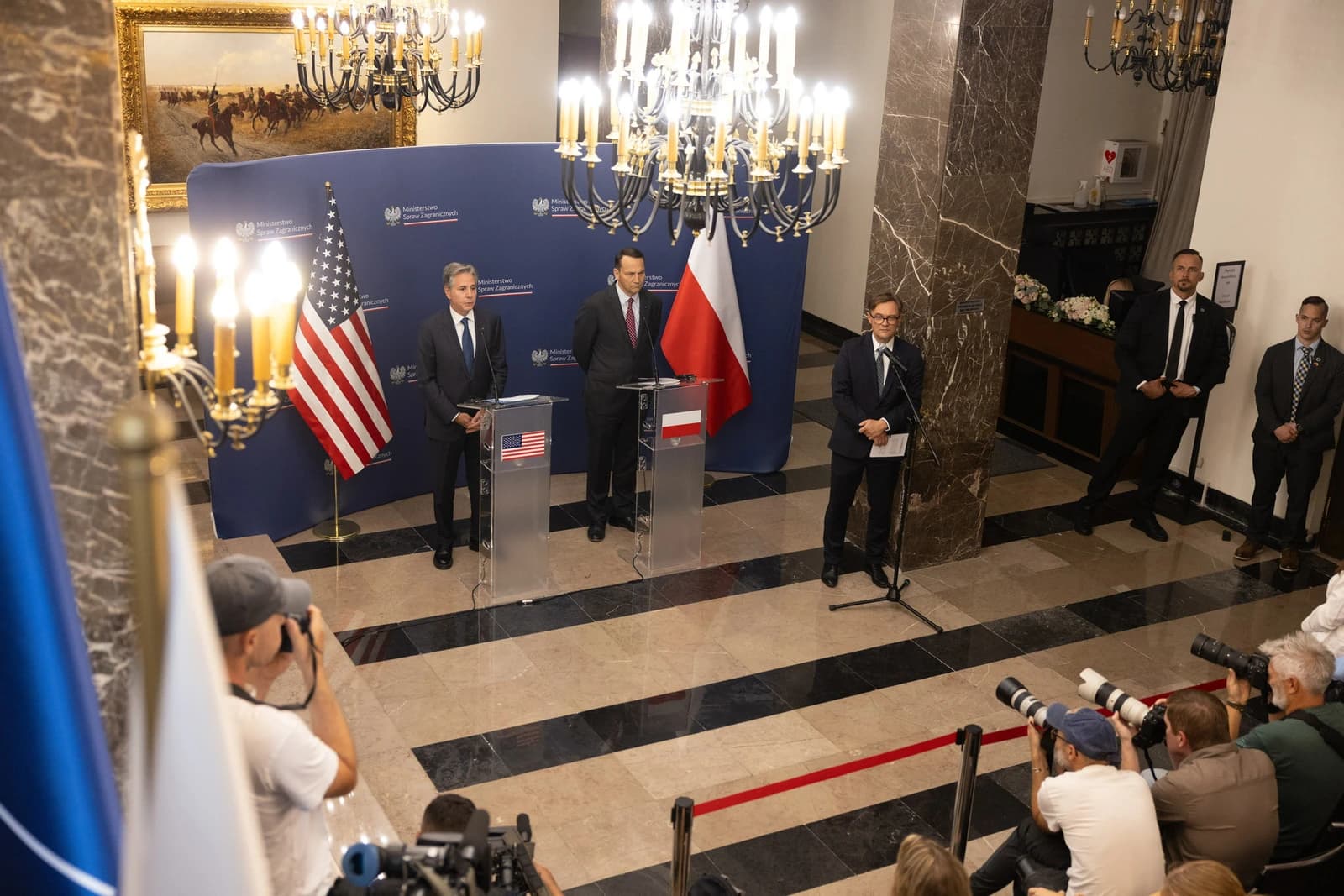
Russia’s risk of a nuclear confrontation is being driven less by Vladimir Putin’s own caution than by pressure from inside the Kremlin system, according to a military analyst who says Moscow is increasingly using hybrid warfare and nuclear signalling to force NATO into a political mistake.
Russia nuclear risk rises on Kremlin pressure
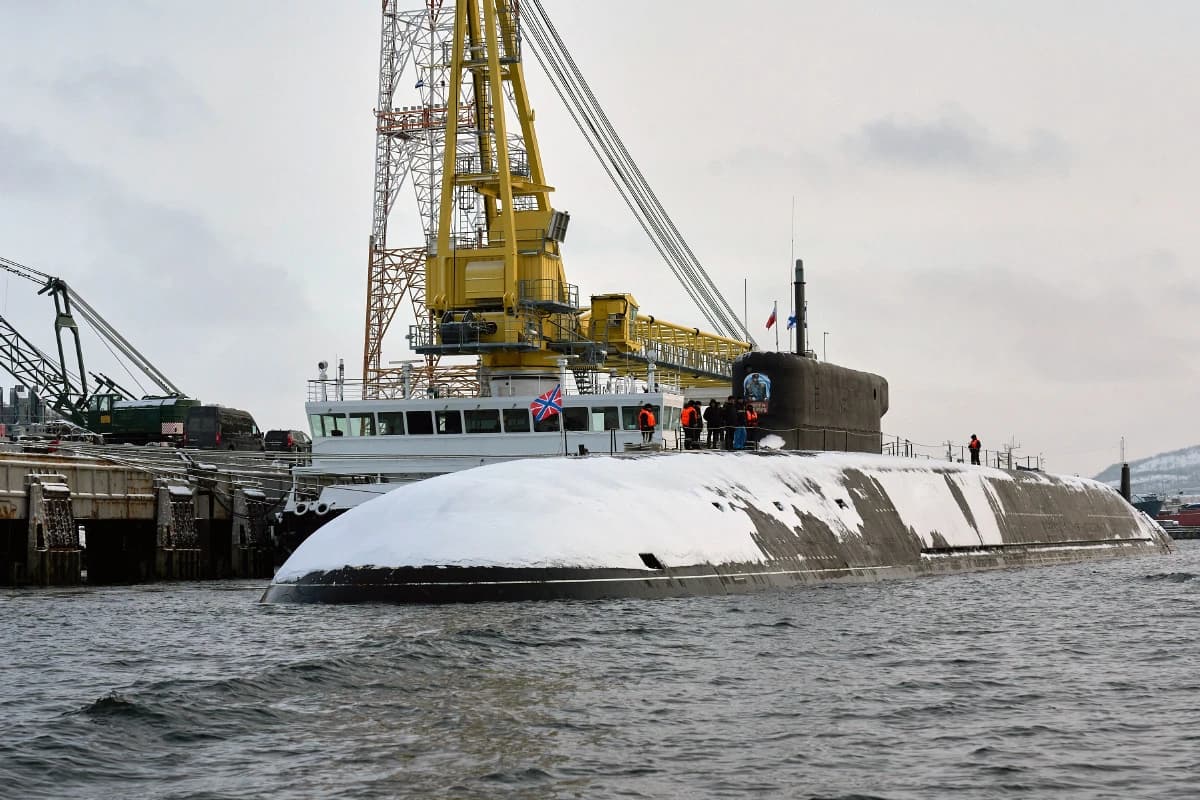
That matters because it shifts the threat from a distant theoretical possibility to a contest of escalation management. If the pressure for a sharper move comes from around Putin rather than from him, the Kremlin may be more inclined to keep pushing the West with brinkmanship, even if the Russian leader himself still prefers a low-intensity conflict that preserves his grip on power.
Sentiment IndicatorsⓘProprietary · adalytica.com · September 21, 2026
This is a snapshot — live sentiment, awareness and momentum for 130+ markets update continuously in the dashboard.Open AlphaPulse
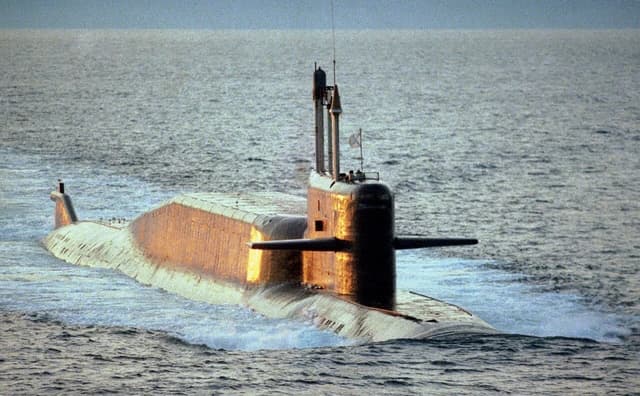
The warning comes as Moscow intensifies what the analyst described as a three-stage approach to confrontation: first measuring an opponent’s strengths, then testing response speed, and finally applying sustained pressure. In his view, Russia has already moved beyond the initial reconnaissance phase and is now probing how quickly Poland and NATO respond to incidents near the alliance’s eastern flank.
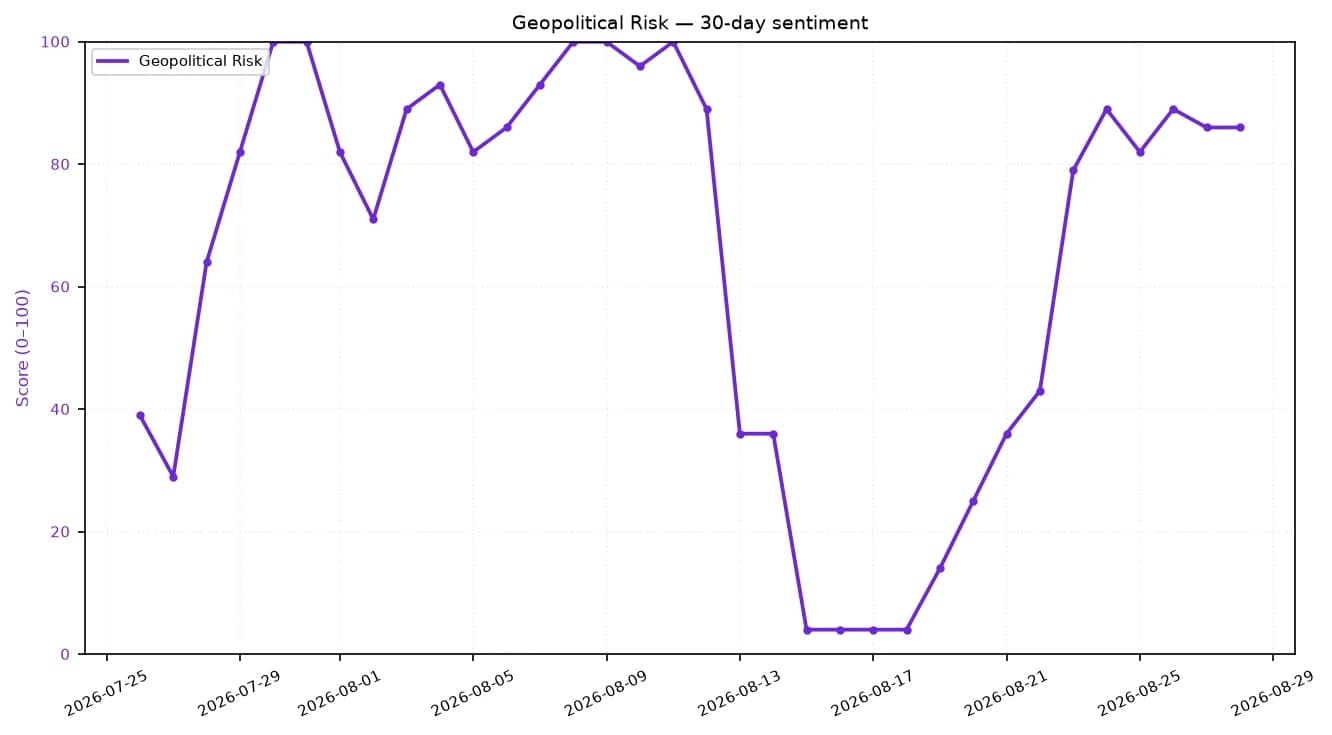
That sequencing matters economically as well as militarily. A rising risk premium around Europe’s security environment can support demand for safe-haven assets, keep defence spending elevated and prolong pressure on regional currencies and energy markets. Adalytica’s Global Stability Sentiment index is still in neutral territory at 59, but its “awareness” reading sits at 26, flagged as fear, while gold’s fear-and-greed gauge is showing 82, a level consistent with strong demand for hedging.
Geopolitical Risk — 30-day sentimentadalytica.com
Explore this data interactively — full history, time series and cross-market comparisons.Open AlphaPulse
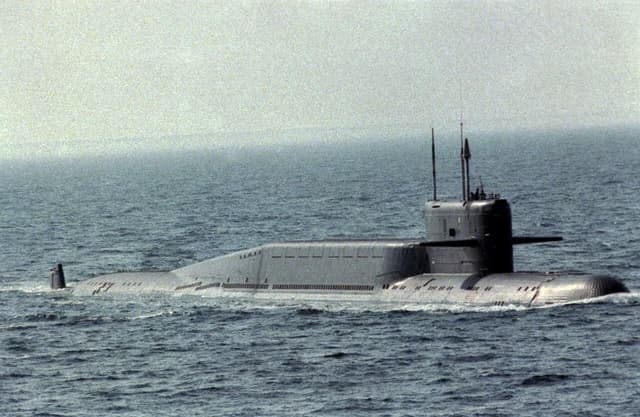
The analyst argued that Russia’s objective is not necessarily a direct conventional war with NATO, which he said Moscow would not be positioned to win, but rather a “grey-zone” campaign designed to erode resilience below the threshold that would trigger Article 5. He said that includes information warfare, sabotage, intelligence activity and pressure meant to make NATO appear the aggressor in the eyes of Russian public opinion.
The most alarming element in that framework is nuclear signalling. The analyst said Moscow could seek a limited, demonstrative nuclear act — such as a test or an explosion in the Baltic region — to create panic in Europe and force negotiations. He framed that scenario as an attempt to repeat, in modern form, the political leverage Moscow drew from the Cuban missile crisis, when the superpowers used the danger of escalation to extract concessions.
For investors, the immediate market question is not whether a nuclear exchange is imminent, but whether the probability of miscalculation is rising enough to keep defence contractors, bullion and other hedges bid. That is already visible in market positioning: gold is attracting attention, while oil remains more subdued, with Adalytica’s WTI trade signals still showing fear but only neutral awareness, suggesting the market is watching the issue without fully pricing a supply shock.
Defence stocks are reflecting that backdrop unevenly. Lockheed Martin has retreated from its August highs and is trading below its 50-day moving average, while RTX remains under pressure after a sharp pullback from its summer peak. Northrop Grumman, by contrast, has weakened further and sits well below both its 50-day and 200-day averages, indicating that while the strategic case for higher defence spending remains intact, investors are still selective on valuation and earnings visibility.
The political overlay is crucial. The analyst said Putin has reasons to resist uncontrolled escalation because any failure would threaten his hold on power, but he added that the lower tiers of the Russian establishment — including security figures and oligarch-linked networks — may be pushing for a faster, more decisive confrontation to freeze the conflict on favourable terms. That creates a dangerous split between a leader seeking controlled attrition and elites who may prefer a riskier move.
| Entity | Gains | Losses |
|---|---|---|
| Gold holders | ▲Safe-haven demand | ▼Lower fear premium if tensions ease |
| Defence contractors | ▲Higher budget support | ▼Valuation compression if escalation fears fade |
| NATO’s eastern flank | ▲More attention and deterrence | ▼Higher security risk and policy strain |
| Russian hardliners | ▲Leverage through pressure | ▼Control if Putin keeps restraint |