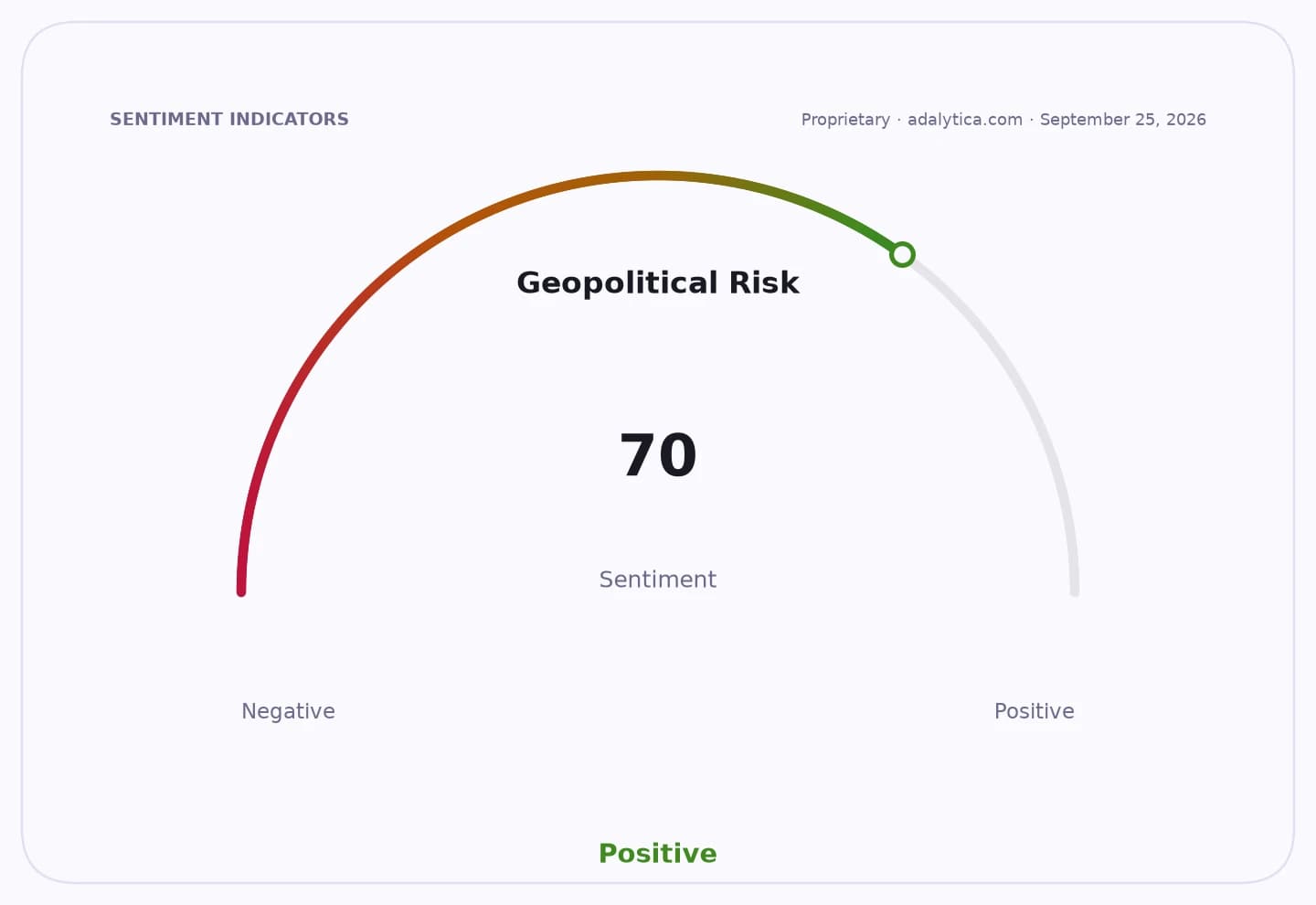
Russia’s central bank cut its key rate to 14%, but the real message was that inflation is still winning. For investors, that matters because it means Moscow is not easing into stability — it is easing into stagnation, with higher prices, weaker real incomes and little room for a meaningful growth rebound.
Russia Rate Cut Signals Sticky Inflation
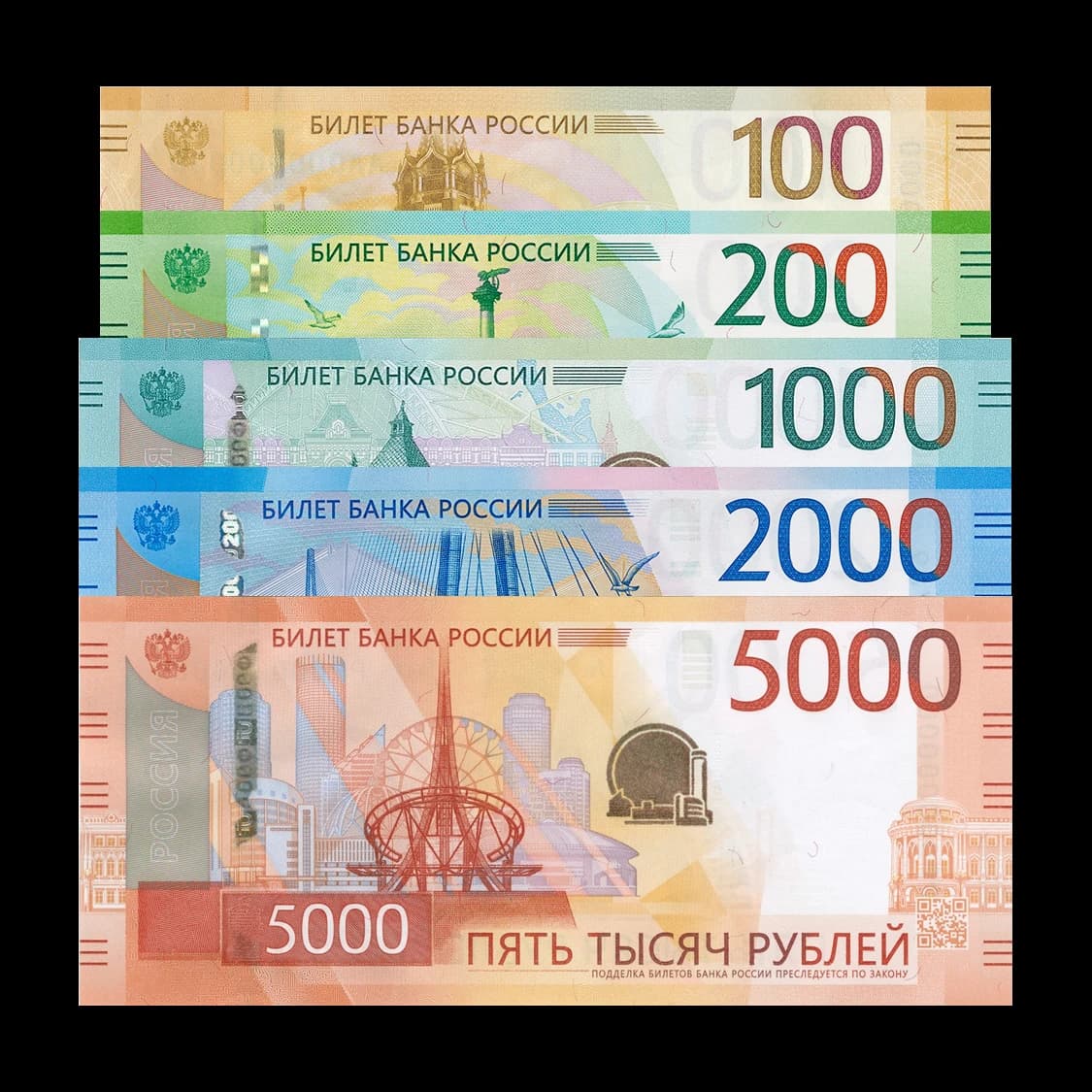
The Bank of Russia’s decision is the kind of reluctant move policymakers make when the economy is already slowing and yet inflation refuses to cooperate. The bank also lifted its inflation outlook, underscoring that the price shock is no longer a temporary nuisance. It is becoming a structural constraint on consumption, corporate margins and credit quality. That is the core story here: Russia is trapped between the need to support the private sector and the need to keep inflation expectations from unanchoring further.
Sentiment IndicatorsⓘProprietary · adalytica.com · July 27, 2026
This is a snapshot — live sentiment, awareness and momentum for 130+ markets update continuously in the dashboard.Open AlphaPulse
The macro backdrop is ugly. The central bank is pointing to fuel shortages, tariffs and broad-based price pressure as drivers of the latest inflation burst, with everyday essentials still rising fast enough to keep households under strain. The forecast for 2026 growth hovering near zero tells you how little policy room remains. Cutting rates in that environment does not signal confidence. It signals that the economy is too weak to bear much more tightening, even as inflation remains stubborn.
That is why this matters to markets. A central bank that cannot credibly declare victory over inflation keeps real rates volatile, financing costs elevated and the discount rate on Russian assets unattractive. Domestic borrowers face a prolonged squeeze, while lenders and businesses tied to consumer demand must absorb weaker purchasing power and tighter credit conditions. Even if inflation is described as temporary, the combination of a higher forecast and a cautious policy path tells investors the burden is likely to persist longer than the headline rate cut suggests.
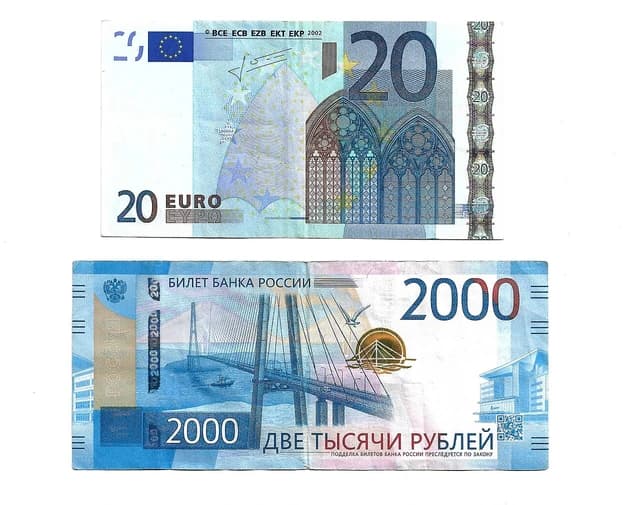
The ruble has also been flashing strain. Recent trading around the 78-to-79 per dollar area, with momentum indicators such as RSI and MACD oscillating rather than confirming a clean trend, points to a currency that has not found durable stability. That fits the broader narrative: inflation pressure is not just an abstract macro print. It feeds directly into currency weakness, import costs and another round of price pressure, a feedback loop that makes the central bank’s task harder.
The market underestimates how much this environment favors hard assets, exporters and companies with pricing power, while punishing domestic consumer exposure, rate-sensitive borrowers and anyone relying on cheap funding. When inflation remains the dominant force, the winners are the businesses that earn in stronger currencies, sell into state demand or sit on scarce physical assets. The losers are households, lenders and local retailers caught between sticky costs and thin demand.
There is no quick policy fix here. If the central bank stays cautious, growth remains anaemic. If it eases too fast, inflation re-accelerates and the ruble comes under more pressure. That is the kind of policy trap investors should respect. The high-conviction trade is to stay selective: favor exporters, commodities and defense-linked names that can survive a low-growth, high-inflation Russia, and avoid assuming that a rate cut means the inflation problem is going away.
| Entity | Gains | Losses |
|---|---|---|
| Exporters | ▲Weaker ruble tailwind | ▼Domestic demand slowdown |
| Commodities producers | ▲Inflation pass-through | ▼Higher financing costs |
| Banks/creditors | ▲Higher nominal yields | ▼Rising credit risk |
| Consumers/local retailers | ▲None | ▼Real income squeeze |