Russia’s large foreign-exchange and gold buffers are still giving the economy a cushion against sanctions and war-related shocks, but the IMF’s latest assessment suggests that protection is not the same as resilience.
Russia ruble holds near 79.59 after IMF assessment
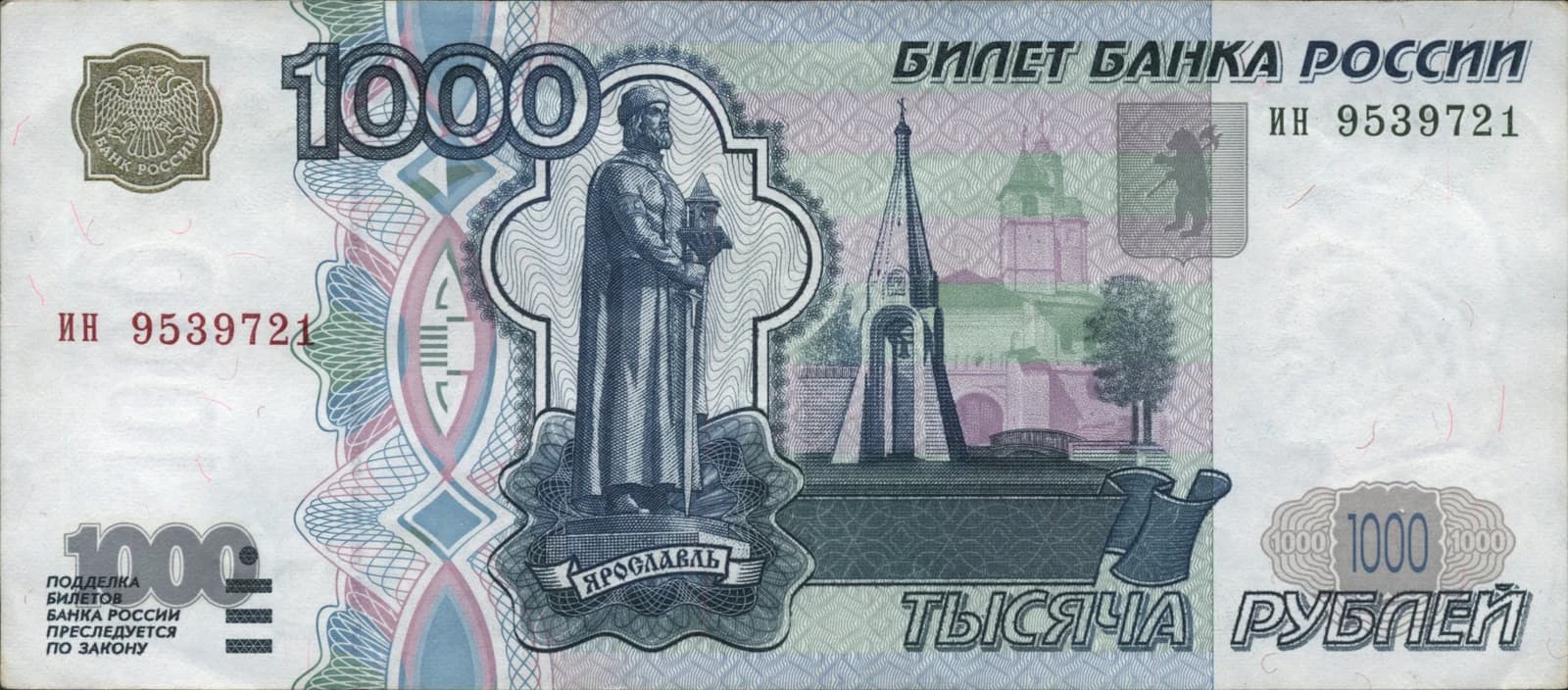
That distinction matters because Russia’s ability to finance imports, stabilize the ruble and support state spending has become central to whether Moscow can keep the war economy running without a sharper macro breakdown. The fund’s view implies Russia can withstand external pressure for now, yet the longer conflict, sanctions enforcement and capital isolation continue, the more those reserves become a finite backstop rather than a durable shield.
Sentiment IndicatorsⓘProprietary · adalytica.com · July 31, 2026
This is a snapshot — live sentiment, awareness and momentum for 130+ markets update continuously in the dashboard.Open AlphaPulse
The ruble’s recent trading shows why investors care. The currency has been relatively steady around 79 to the dollar, closing at 79.59 on July 31 after a brief move as high as 79.85 the day before. Technical indicators on the dollar-ruble pair point to a market that is still firm but not aggressively one-way: the 50-day moving average sits below the current price, the relative strength index is in overbought territory around 71, and the MACD is positive, suggesting recent upward momentum has not yet broken.
For Russia, that matters because a stable currency limits imported inflation and gives the central bank more room to manage policy while war spending remains elevated. It also supports the government’s fiscal arithmetic, since a weaker ruble would raise the local-currency cost of foreign goods and pressure households already facing higher prices and tighter access to global trade and finance.
Geopolitical Risk vs RUB=Xadalytica.com
Explore this data interactively — full history, time series and cross-market comparisons.Open AlphaPulse
The IMF’s assessment comes against a backdrop of intensifying battlefield costs and tighter geopolitical constraints. Russia’s war effort has continued to drain resources, while fresh missile attacks and counterattacks underscore the conflict’s persistence. At the same time, the country remains cut off from much of the global financial system, leaving reserves as one of the few remaining tools to smooth external shocks.
That reserve cushion is precisely why investors should not mistake near-term stability for safety. The bull case is that Russia can continue to fund priorities, defend the currency and avoid a balance-of-payments crisis as long as oil export revenues and reserve management hold up. The bear case is that sanctions, military spending and slower growth will gradually erode that buffer, forcing tighter controls, worse inflation dynamics or more distortive intervention.
For global markets, the main implication is that Russia’s macro stress is unlikely to spill over through an abrupt currency event in the immediate term, but the structural squeeze remains in place. Energy markets, emerging-market risk and sanctions-sensitive assets will keep watching whether reserves are being preserved or consumed faster than the Kremlin can replace them.
In other words, the IMF is not saying Russia is insulated from the war’s economic cost. It is saying Moscow still has enough financial ammunition to delay the reckoning — and investors will be watching how quickly that ammunition is spent.
| Entity | Gains | Losses |
|---|---|---|
| Russia | ▲Near-term currency support | ▼Reserve depletion risk |
| Kremlin | ▲More policy flexibility | ▼Higher war-financing strain |
| Ruble bulls | ▲Stabilized exchange rate | ▼Less upside from crisis fears |
| Sanctions advocates | ▲— | ▼Slower economic pressure on Moscow |




