Russia’s stock market is trying to hold onto the gains from a geopolitical thaw that has put diesel exports back in the spotlight, even as investors lock in profits and wait for the next policy and energy cues.
Russia stocks rise on diesel export deal and oil gains
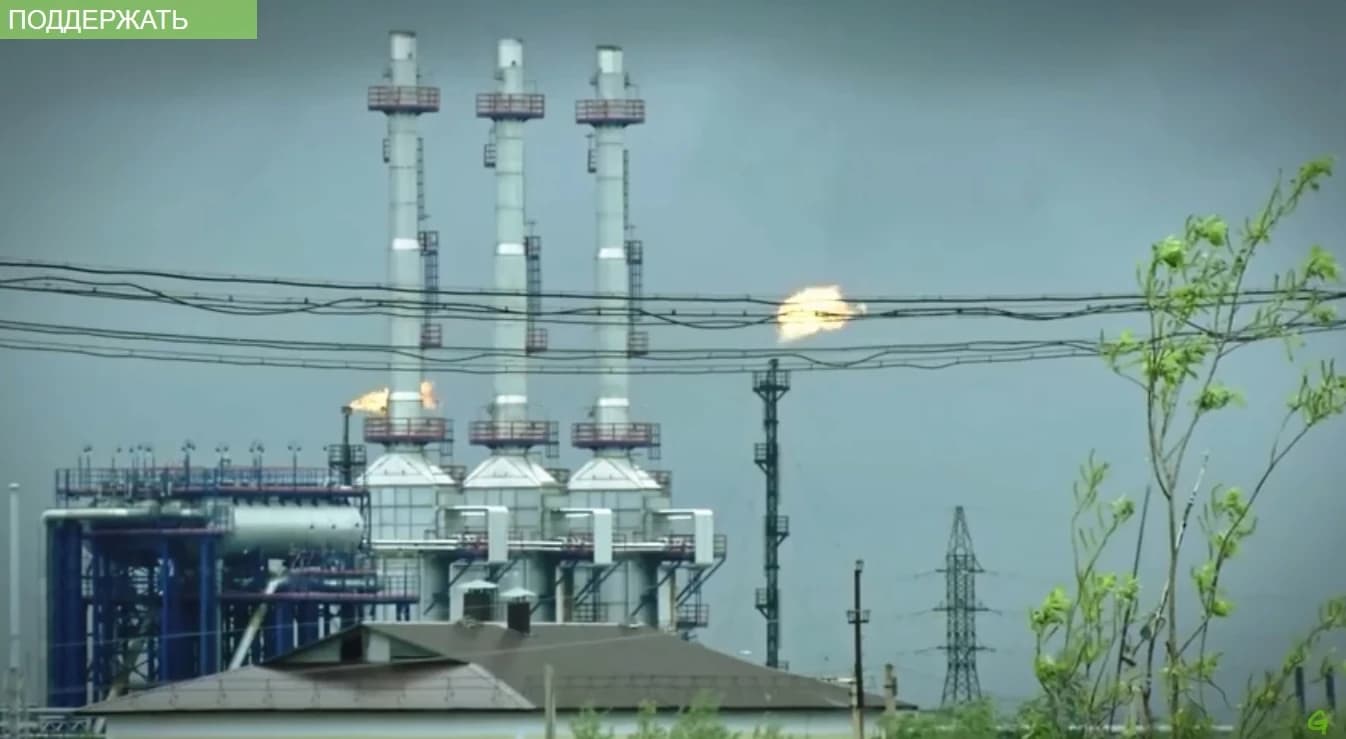
The Moscow Exchange index rose 0.1% to 2,421.45 on Wednesday’s main session, after a strong run earlier in the week powered by improved geopolitical sentiment and a deal between Russia and the U.S. on diesel exports. For investors, that matters because energy flows remain one of the clearest ways sanctions, diplomacy and commodity prices feed directly into Russian assets.
The broader market picture was less decisive by the close. The IMOEX2, which captures evening and morning trading as well, ended down 0.53%, suggesting some of the day’s optimism faded once the main session ended. That kind of divergence usually tells you the move is still fragile, with buyers willing to support the market but not yet convinced enough to chase it higher.
Still, the main force behind the market’s resilience is easy to see: oil prices continue to rise, and that helps Russia’s fiscal and external accounts. Higher crude prices generally improve export revenues, support the ruble and ease pressure on energy-linked companies, all of which can be constructive for the equity market. Add to that remarks from Kremlin spokesman Dmitry Peskov that he did not rule out a trilateral meeting involving Russia, China and the U.S., and investors have reasons to believe the political backdrop is at least improving at the margin.
That matters for long-term investors because Russian equities tend to trade less on company fundamentals alone and more on the intersection of geopolitics, sanctions and commodity cycles. When the geopolitical tone improves and energy prices firm, the market can re-rate quickly. When those factors reverse, the move can unwind just as fast.
There are also stock-specific stories under the surface. PIK shareholders approved the developer’s delisting, and the company’s last day for regular trading in the T+1 board is Oct. 15 before trading ends completely on Oct. 20. The controlling shareholder’s squeeze-out at 551.4 rubles a share leaves little room for price discovery, which makes PIK more of a cash-out event than an investment case from here. That is a reminder that not every Russian equity story is about growth; some are simply about exit mechanics.
Inflation is another reason investors are being cautious. Rosstat said consumer prices rose 0.11% in the week through Oct. 12, but annual inflation still ticked up to 7.22%. That makes an October rate cut by the central bank look unlikely, and a steady policy rate would keep borrowing costs elevated for domestically focused companies. For equity investors, that means energy and geopolitically sensitive names may still have the cleaner path than rate-dependent sectors such as property and some consumer plays.
For now, the market’s message is simple: Russian equities are being supported by oil, diplomacy and the prospect of more stable fuel exports, but the rally still depends on headlines. Investors with a long horizon should watch whether the diesel arrangement sticks, whether crude prices stay firm and whether inflation cools enough to give the central bank room to ease later on. If those pieces align, the Moscow market could have more room to recover; if they do not, this week’s bounce may prove to be just another tradeable move.
| Entity | Gains | Losses |
|---|---|---|
| Moscow Exchange index | ▲Geopolitical relief | ▼Profit takers |
| Oil and gas exporters | ▲Higher revenue | ▼Fuel importers |
| PIK minority shareholders | ▲Squeeze-out cash | ▼Public market access |
| Russian borrowers | ▲Little, if rates stay high | ▼Rate-sensitive sectors |