Vladimir Putin’s eventual departure could be more destabilizing for Russia than his long rule, because he has spent more than 25 years building a system with no clear heir, leaving the Kremlin vulnerable to a power struggle that could ripple through the war in Ukraine, the security state and any surviving hopes for a policy reset.
Russia Succession Risk and Market Implications

That matters economically because Russia’s stability has been priced around one assumption: continuity. A sudden transfer of power would test the same institutions that have kept sanctions enforcement, wartime spending and elite discipline intact. If those pillars fracture, capital flight risks rise, investment stays frozen and the Kremlin’s ability to manage the economy under sanctions could weaken further.
Sentiment IndicatorsⓘProprietary · adalytica.com · September 6, 2026
This is a snapshot — live sentiment, awareness and momentum for 130+ markets update continuously in the dashboard.Open AlphaPulse

It matters to investors because the biggest market move may not be Putin leaving, but the scramble that follows. A succession fight could deepen geopolitical risk premia across Europe, keep pressure on Russian assets and support haven demand in gold and defense-linked exposures. Adalytica’s Global Stability Sentiment has already fallen to 30, a “fear” reading, from 74 a day earlier, while awareness remains elevated at 81, showing how quickly markets can swing toward stress when leadership risk becomes more acute.
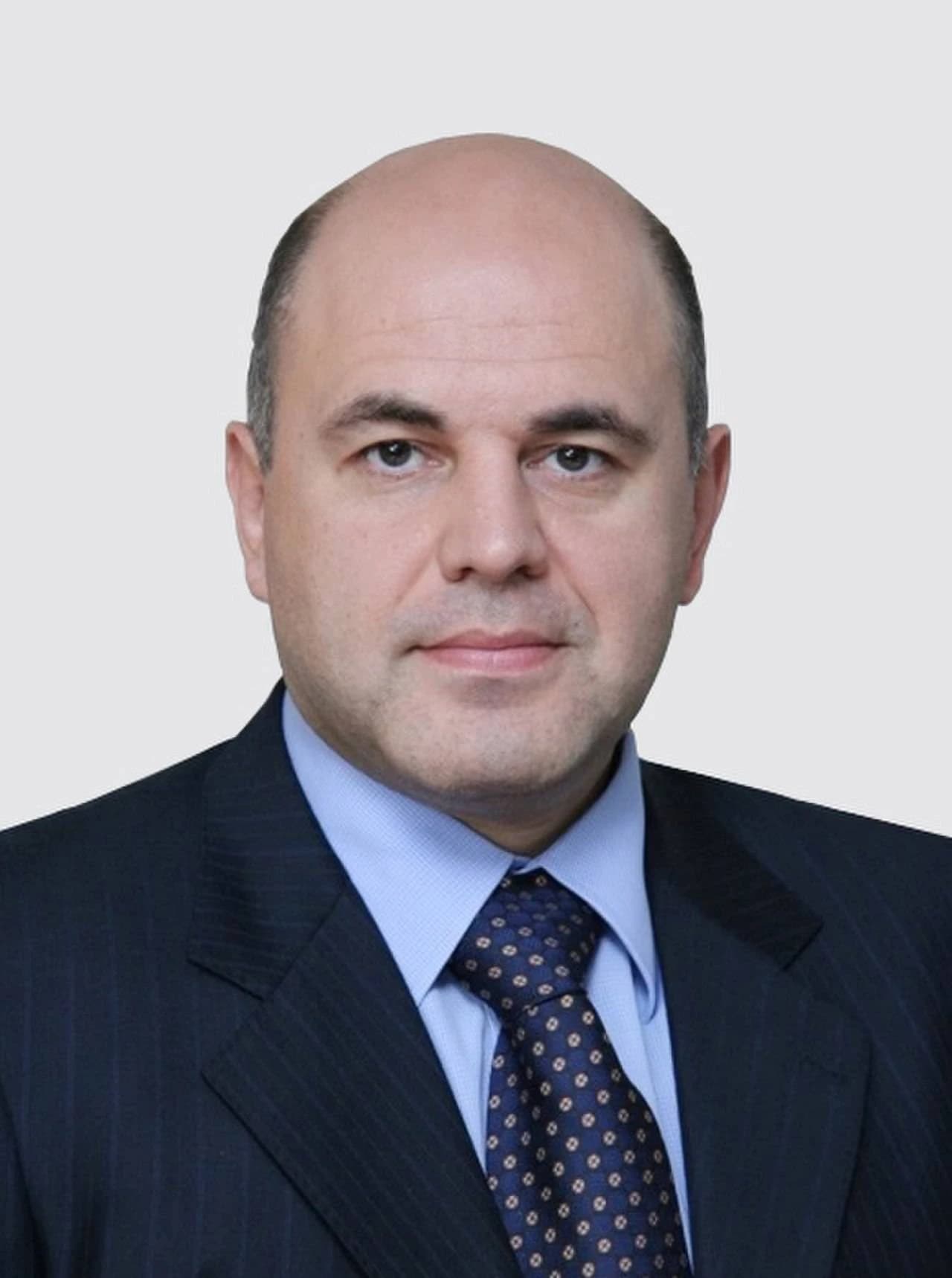
The core problem is that Putin never built a designated replacement. He has deliberately kept rivals weak, distributed power across security services, the presidential administration and the military, and ensured no single figure has had time to assemble an independent base. On paper, Prime Minister Mikhail Mishustin would take over temporarily, but he is widely seen as a technocrat, not a power broker.
Geopolitical Risk — 30-day sentimentadalytica.com
Explore this data interactively — full history, time series and cross-market comparisons.Open AlphaPulse

That makes the real post-Putin question less about who inherits the Kremlin and more about whether the system can hold together at all. A vacuum would invite competing blocs to move first, and in Russia’s current setup that could reward hardliners rather than moderates. The war in Ukraine complicates the picture further: the military and security apparatus have gained influence, which means a transition could prolong confrontation with the West rather than ease it.
For investors, that is the key asymmetry. The consensus often treats succession as a distant political footnote. It is not. It is one of the clearest catalysts for a regime-risk repricing in Russian-linked exposures, from sanctions-sensitive commodities to European defense and safe-haven metals. Gold remains in the spotlight even as Adalytica’s Gold Fear & Greed Index shows extreme fear at 17, underscoring how fragile risk appetite is around geopolitical shocks.
The market is underestimating how long Russian instability could last after Putin exits. The best positioning is to own assets that benefit from sustained geopolitical tension, avoid assuming any post-Putin thaw will be quick, and watch closely for the first signs of elite fragmentation in Moscow.
| Entity | Gains | Losses |
|---|---|---|
| Gold / GLD | ▲Haven demand | ▼Risk-on capital |
| European defense stocks | ▲Higher military spending | ▼Peace dividend hopes |
| Russian elites / security bloc | ▲Power bargaining leverage | ▼Stable succession |
| Russia-linked assets / RSX | ▲Brief tactical rebounds | ▼Succession shock, sanctions risk |