Russia’s accusation that Britain has “registered” itself as a participant in the war with Russia marks a fresh escalation in the Ukraine conflict that raises the premium on European security assets, keeps energy and defense markets bid, and deepens the risk that the conflict spills further into NATO’s political and economic perimeter.
Russia-UK tensions lift gold and defense stocks

The immediate market issue is not just another round of rhetoric from Moscow. It is the possibility that Russia is trying to broaden the list of adversaries it says are already embedded in the war, after reports that British-made drones were used in strikes deep inside Russian territory. That matters because it pushes the conflict one step closer to a direct Russia-UK confrontation, raising the odds of retaliatory cyber activity, sabotage fears, sanctions pressure and a longer tail of military spending across Europe.
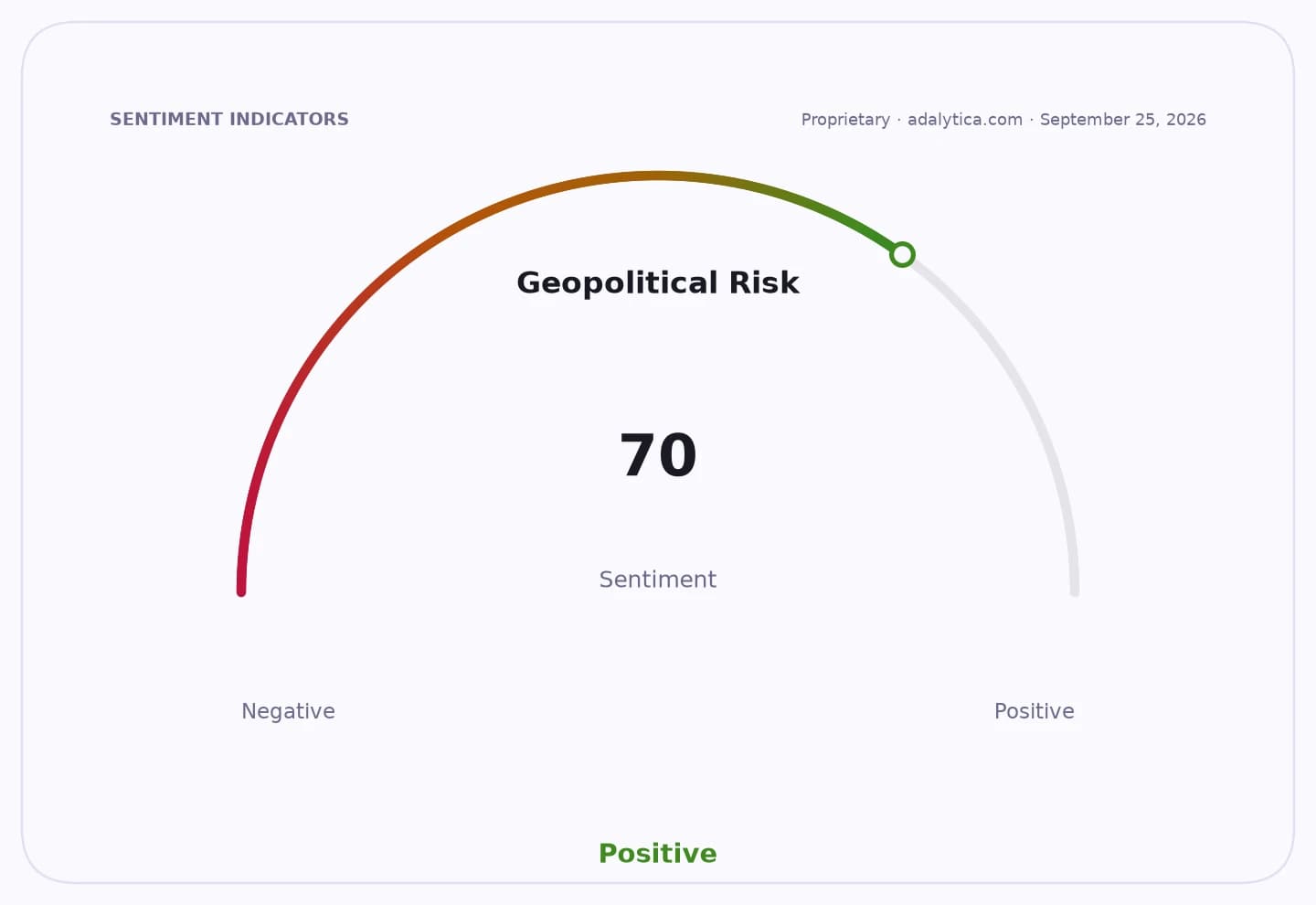
Sentiment IndicatorsⓘProprietary · adalytica.com · August 18, 2026
This is a snapshot — live sentiment, awareness and momentum for 130+ markets update continuously in the dashboard.Open AlphaPulse
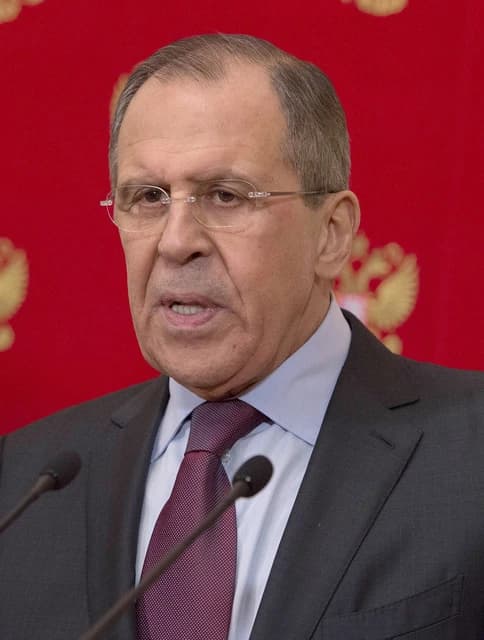
For investors, the message is clear: geopolitical risk in Europe is not fading into the background. Adalytica’s Global Stability Sentiment sits at 4, deep in “Extreme Fear,” underscoring how quickly risk appetite can deteriorate when escalation risks climb. In that kind of environment, capital tends to rotate toward perceived havens and beneficiaries of prolonged rearmament, while businesses exposed to Europe’s energy, transport and industrial supply chains face a higher geopolitical discount.
Gold is already acting like the market’s stress valve. GLD closed at 399.82, holding near elevated levels after trading as high as 405.49 on Aug. 17, with the fund’s 50-day moving average at 381.26 and RSI readings still elevated at 71.6. That tells you investors are not treating this as noise. They are paying up for protection even as the metal remains extended.
Geopolitical Risk — 30-day sentimentadalytica.com
Explore this data interactively — full history, time series and cross-market comparisons.Open AlphaPulse
The bigger investable story is that Britain’s deeper role in Ukraine strengthens the secular case for defense spending, munitions, drones, electronic warfare and secure communications across Europe and the US. The market has spent much of the year rewarding the obvious names, but the next leg could come from the suppliers behind the suppliers: drone components, battlefield software, satellite-linked communications and industrial firms with exposure to replenishment cycles rather than one-off headlines.
The euro’s relatively strong sentiment reading, at 82 on Adalytica’s Euro Trade Signals gauge, suggests the market has not fully repriced the trade-off between a resilient currency bloc and a worsening security backdrop. That gap can close fast if escalation talk turns into broader retaliatory measures or if energy infrastructure becomes a target again. The market underestimates how quickly a localized military dispute can morph into a capital-allocation story for Europe.
The core thesis is that every fresh escalation reinforces the same asymmetric trades: own defense, own gold, own critical infrastructure, and stay selective on Europe-sensitive cyclicals. If Moscow continues to frame Britain as an active belligerent, the conflict will keep drawing in more political actors, more military spending and more demand for hard assets. For investors, that is not a reason to panic — it is a reason to position early for a longer war economy.
| Entity | Gains | Losses |
|---|---|---|
| Defense contractors | ▲Higher orders | ▼Peace dividend |
| Gold and GLD holders | ▲Safe-haven demand | ▼Risk-on flows |
| Britain/Ukraine supporters | ▲Strategic backing | ▼Diplomatic room |
| Europe-sensitive cyclicals | ▲— | ▼Geopolitical discount |