The US is indicating that any Russia-Ukraine deal remains out of reach for now, even as Moscow’s latest missile assault on Kyiv underlines the cost of a stalled diplomatic track and keeps energy and defense markets bid.
Russia-Ukraine Talks Stall as WTI Seen at $88.70

Russia’s heaviest ballistic missile attack on Ukraine since the war began, hitting the capital with 41 rockets and injuring multiple people, came alongside a sharper US readout on negotiations: Russia is rejecting a ceasefire unless Ukraine cedes occupied territory and abandons NATO ambitions, leaving little room for a near-term breakthrough. The immediate economic effect is to keep a war premium embedded in oil, credit and defense equities, while lowering expectations that sanctions relief or supply normalization will arrive soon.
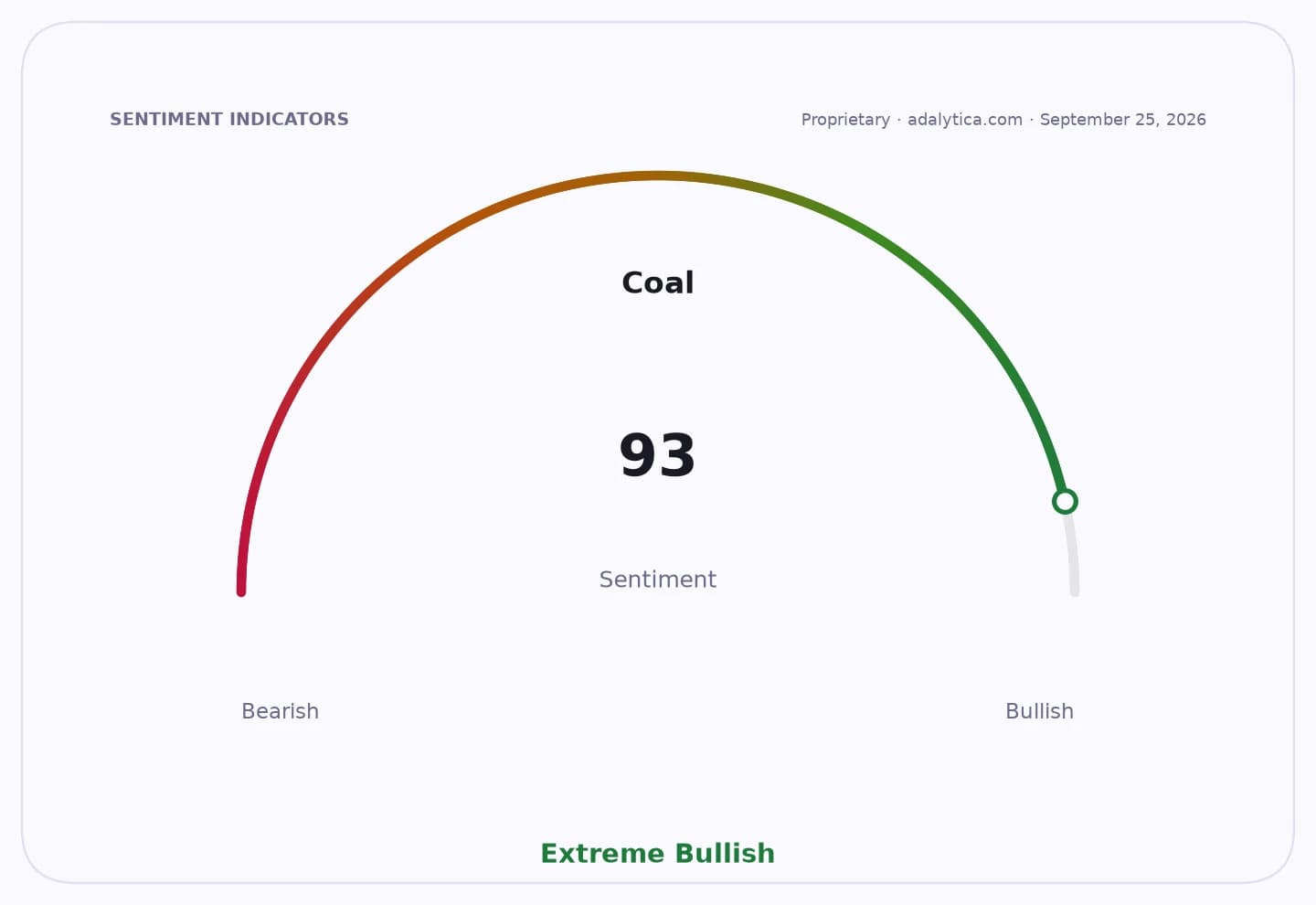
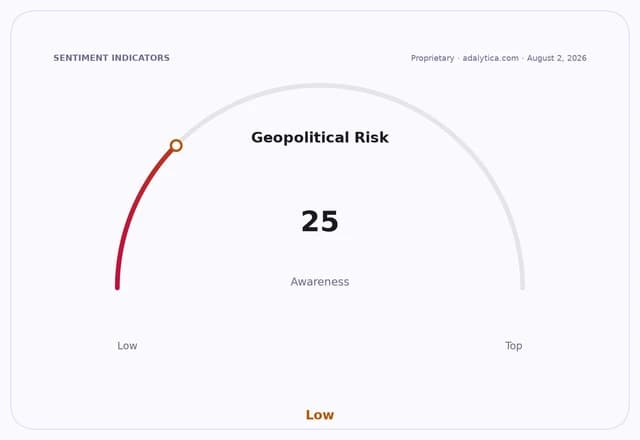
Sentiment IndicatorsⓘProprietary · adalytica.com · August 2, 2026
This is a snapshot — live sentiment, awareness and momentum for 130+ markets update continuously in the dashboard.Open AlphaPulse
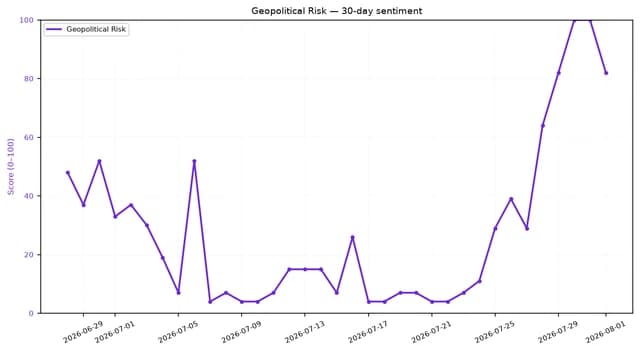
Crude has already responded. US benchmark West Texas Intermediate is forecast at $88.70 a barrel for July 28, after trading as high as $109.76 earlier in the period and falling back to $84.25 on July 27. Even after the pullback, oil remains high enough to matter for inflation expectations, shipping costs and the earnings outlook for producers. A renewed escalation in Europe’s biggest land war is the kind of event that can quickly tighten risk conditions if traders conclude the conflict is moving away from negotiations and back toward attrition.
That matters for investors because geopolitical shocks tend to work through multiple channels at once. Higher oil prices support cash flow for integrated producers such as Exxon Mobil, whose shares have climbed to $155.44 and remain well above both the 50-day and 200-day moving averages. Energy shares as a group, tracked by the XLE ETF, closed at $59.55, also above the 50-day and 200-day averages, with relative strength readings still in constructive territory. The move suggests the market is still pricing in durable earnings support from crude, not just a short-lived spike.
Defense stocks are also drawing support from the same backdrop. The iShares U.S. Aerospace & Defense ETF, ITA, ended at $239.66, above its 50-day and 200-day moving averages, with the RSI back near neutral-to-firm levels after a volatile spring. That reflects a familiar investor trade: when diplomacy weakens and missile fire intensifies, capital tends to rotate toward contractors tied to munitions, air defense, surveillance and replenishment cycles. The latest signals from Washington and Moscow reinforce that dynamic rather than disrupt it.
Credit markets are less relaxed than the headline equity moves suggest. The ICE BofA high-yield spread, now around 2.84 percentage points, is still far below crisis levels, but geopolitical flare-ups can narrow the room for error by lifting energy input costs and adding to policy uncertainty. If oil stays elevated while military escalation continues, central banks could face a more awkward inflation mix even as growth risks remain uneven.
For now, the market is treating the war as a source of persistent rather than acute macro risk: enough to support energy and defense, not enough to trigger broad liquidation. But the combination of missile strikes, ceasefire rejection and a firmer US message on the limits of negotiations leaves investors with a clear catalyst to watch — whether the conflict starts to price in a longer, more destructive phase that keeps oil firm, defense demand strong and diplomatic relief off the table.
| Entity | Gains | Losses |
|---|---|---|
| Oil producers | ▲Higher crude prices | ▼Weaker demand if growth slows |
| Defense contractors | ▲Rising rearmament demand | ▼Ceasefire-driven order delays |
| Ukraine peace prospects | ▲— | ▼Lower odds of truce |
| Consumers/importers | ▲— | ▼Higher fuel and input costs |