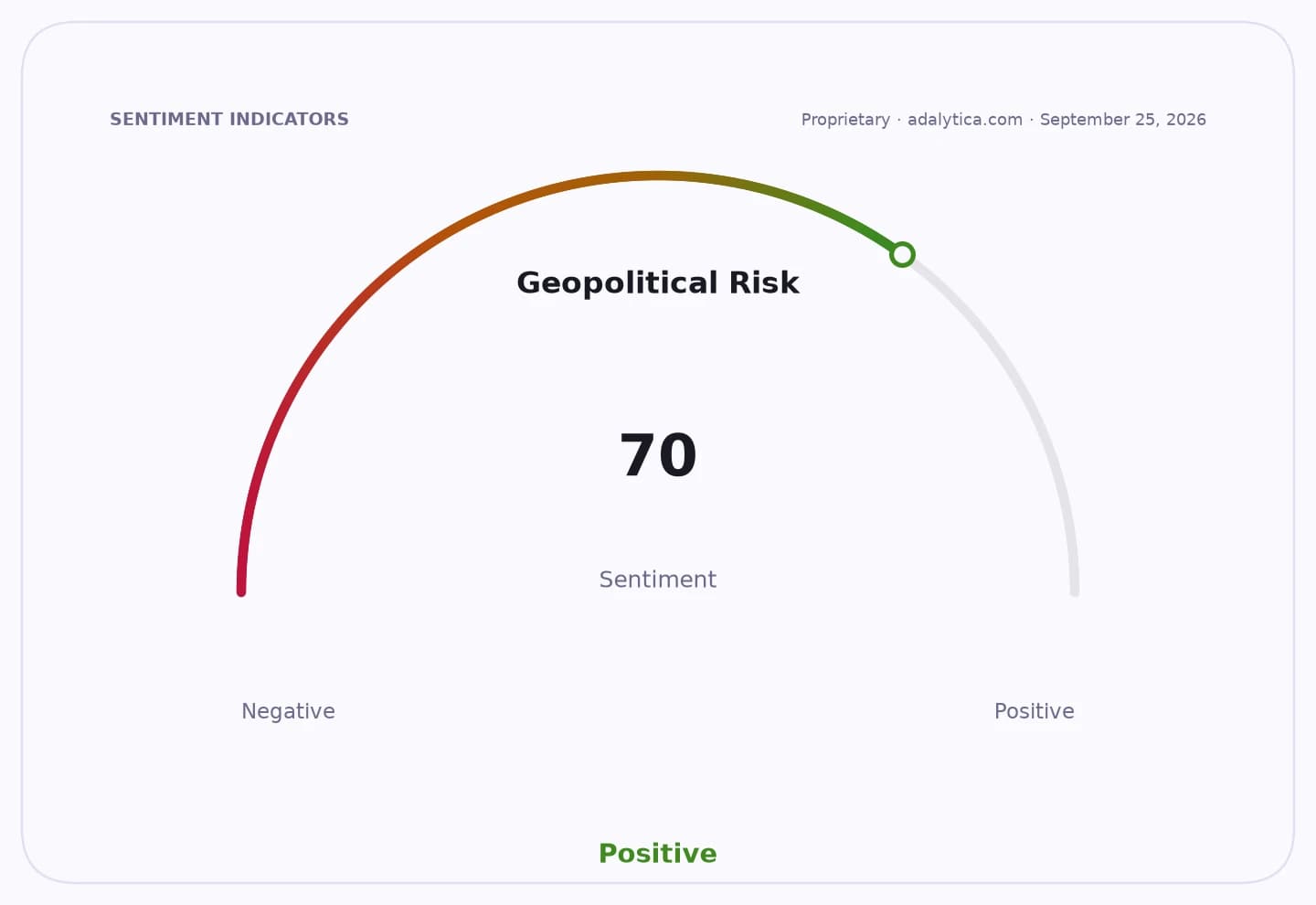
Ukraine’s destruction of a large strategic oil depot in Russia’s Udmurtia region underscores a widening threat to Russian fuel logistics that matters well beyond the battlefield: it raises the risk of localized supply interruptions, adds pressure on Moscow’s wartime energy infrastructure and keeps a geopolitical premium embedded in oil prices.
Russian Depot Strikes Keep Oil Risk Premium High
The strike is the latest in a run of Ukrainian drone attacks on Russian oil depots and related fuel assets, signalling that Russia’s rear-area energy network remains exposed even far from the front lines. That matters economically because depots, terminals and storage hubs are not just fixed assets; they are the buffers that smooth transport, keep refinery output moving and support exports. When they are hit repeatedly, the result can be bottlenecks, higher inland freight costs and temporary reductions in product availability, even if crude production itself is not immediately knocked offline.
Sentiment IndicatorsⓘProprietary · adalytica.com · July 28, 2026
This is a snapshot — live sentiment, awareness and momentum for 130+ markets update continuously in the dashboard.Open AlphaPulse
For investors, the key issue is not one depot alone but the cumulative effect of a sustained campaign against Russian energy logistics. Repeated strikes in recent weeks have already been linked to fires, casualties, suspended loading at a CPC terminal and reports of reduced production volumes. That raises the odds of more operational disruption, tighter Russian export flows in some products and a higher probability that traders continue to price in supply risk rather than assuming the market can absorb the shock quickly.
The market response has reflected that tension. US oil benchmark exposure through USO has swung sharply higher in recent months, with the fund recently trading above its 50-day moving average and RSI readings in overbought territory before pulling back, a sign of how quickly geopolitical headlines can reprice crude sentiment. Energy equities have also benefited: the XLE ETF has held near the top of its recent range and above its 50-day average, while Chevron has remained supported near cycle highs. The pattern suggests investors are still willing to pay for oil exposure when supply security is questioned, even as momentum indicators warn the trade can become stretched.
The broader macro backdrop adds to the significance. Adalytica’s US dollar trade signals point to extreme fear in the currency market, which often reflects wider risk aversion and can amplify commodity volatility. A weaker or more unstable dollar environment can support dollar-denominated oil prices, but it can also intensify the inflation implications of any sustained crude rally. That leaves central banks, importers and transportation-heavy sectors more exposed if attacks on Russian energy infrastructure keep escalating.
There is still a bear case for oil bulls. Some of the recent price surge in energy shares and crude-related funds has already been driven by headline risk, and technical readings show the trade can become overextended quickly. If Russia reroutes supplies, repairs facilities faster than expected or if drone attacks fail to hit major export arteries, some of the premium could unwind. But the bull case is that repeated strikes expose structural fragility in Russia’s wartime energy system, and markets typically reward scarce, resilient supply.
For now, the Udmurtia strike reinforces a simple investor takeaway: the Ukraine conflict is not only a geopolitical story, it is a live supply-chain risk for global energy markets. If the attacks continue, Russian fuel logistics could face deeper disruption, crude may retain a war premium and energy producers and refiners outside Russia could keep outperforming broad equities.
| Entity | Gains | Losses |
|---|---|---|
| Ukrainian forces | ▲Pressure on Russian logistics | ▼Higher escalation risk |
| Russian oil network | ▲None | ▼Depot damage, transport disruption |
| Oil producers outside Russia | ▲Higher pricing power | ▼Volatility in input costs |
| Consumers and refiners | ▲None | ▼Higher fuel and feedstock costs |