Indonesia’s maintained investment-grade rating and stable outlook from S&P are giving the rupiah a welcome lift, even as geopolitical tensions keep global markets on edge.
S&P Stability Lifts Rupiah and Indonesian Banks

That matters because in emerging markets, confidence is currency. A stable sovereign rating helps keep borrowing costs from rising, supports capital inflows and makes it easier for the country to finance growth without putting extra pressure on the rupiah. For long-term investors, that combination is especially important: when the macro backdrop steadies, bank stocks, local equities and dollar-sensitive assets tend to breathe a little easier.
Sentiment IndicatorsⓘProprietary · adalytica.com · July 23, 2026
This is a snapshot — live sentiment, awareness and momentum for 130+ markets update continuously in the dashboard.Open AlphaPulse
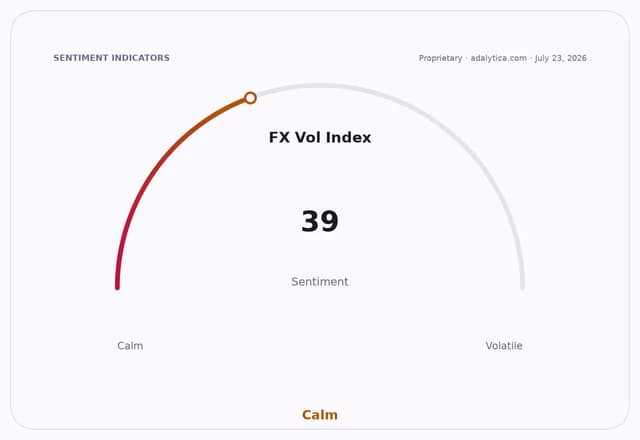
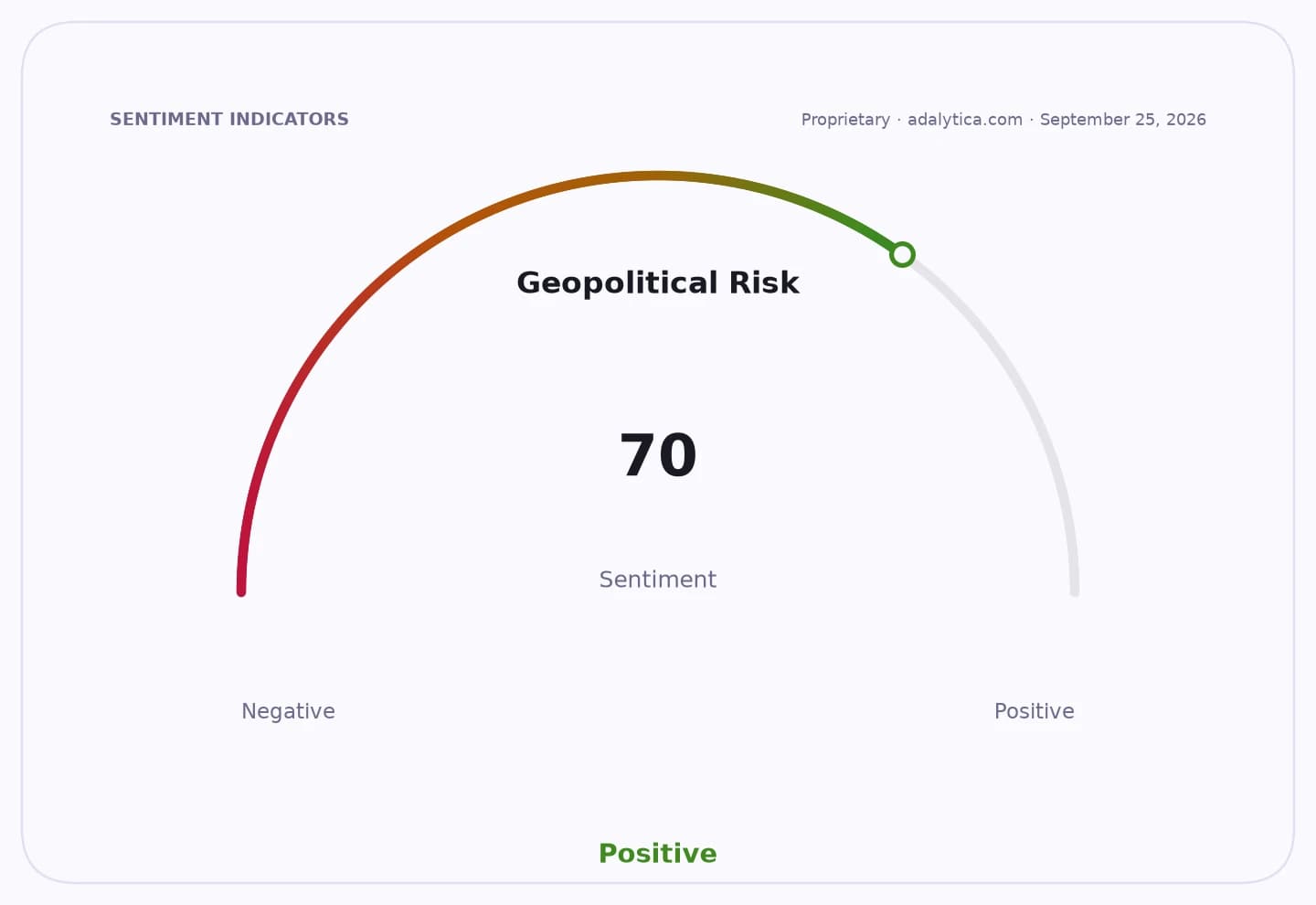
The rupiah’s move to around Rp 18,070 reflects that shift in sentiment. Investors are responding not just to the rating decision itself, but to what it says about Indonesia’s ability to absorb shocks. In a world where global stability is weak — Adalytica’s Global Stability Sentiment gauge is sitting in “Extreme Fear” territory — a country that can hold its credit profile steady stands out as relatively resilient. That can help Indonesia attract the kind of patient capital that supports infrastructure, consumption and industrial growth over time.
For Indonesian equities, the signal is constructive. Banks such as BBCA are often viewed as direct beneficiaries of a stable sovereign backdrop because lower perceived risk can support funding conditions and credit demand. A steadier rupiah also helps importers, companies with foreign-currency liabilities and domestic businesses planning capex, while reducing the risk of policy whiplash that can hurt valuations.
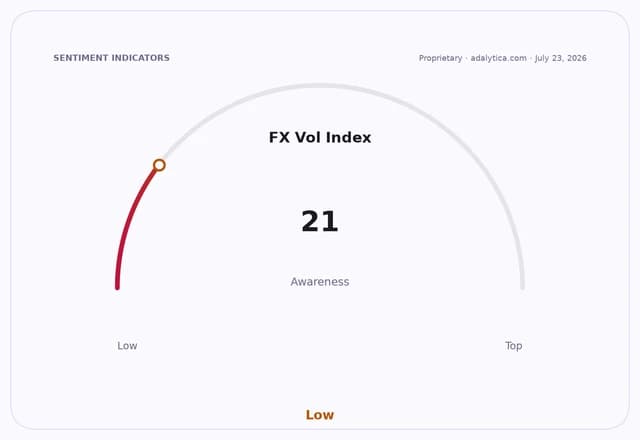
There is still a reason to stay selective. Geopolitical conflicts abroad can quickly revive dollar strength and pressure emerging-market currencies, while domestic concerns around security and economic strain have not disappeared. But markets do not need perfection to keep compounding — they need durability. Indonesia’s ability to keep its investment-grade status intact is a reminder that the country’s medium-term story is still anchored in balance-sheet strength, not crisis.
For investors thinking in years, not days, this is the kind of backdrop worth respecting. A stable rating will not make Indonesian stocks immune to volatility, but it does improve the odds that weakness is a buying opportunity rather than a warning sign. Keep an eye on quality lenders, exporters with rupiah tailwinds and diversified Indonesia funds for the long haul.
| Entity | Gains | Losses |
|---|---|---|
| Indonesia government | ▲Lower funding risk | ▼Less room for policy slippage |
| Rupiah | ▲Support from confidence | ▼Pressure if risk aversion returns |
| Local banks like BBCA | ▲Better credit outlook | ▼Narrower margins if rates rise |
| Importers / dollar borrowers | ▲Currency stability | ▼Costlier hedging if FX weakens |