Samsung Electronics is moving to staff its planned Taylor, Texas chip plant with interns, a small but telling step in a bigger fight for semiconductor talent as South Korea’s biggest chipmaker prepares to challenge Taiwan Semiconductor Manufacturing Co. on US soil.
Samsung Electronics hires interns for Taylor, Texas chip plant
The internship drive matters because advanced-chip manufacturing is constrained as much by engineers and technicians as by tools and wafer capacity. Samsung’s Texas expansion is part of a broader US push to localize chip production, but the real bottleneck is people: process specialists, equipment engineers and production managers who can ramp a fab and keep yields high.
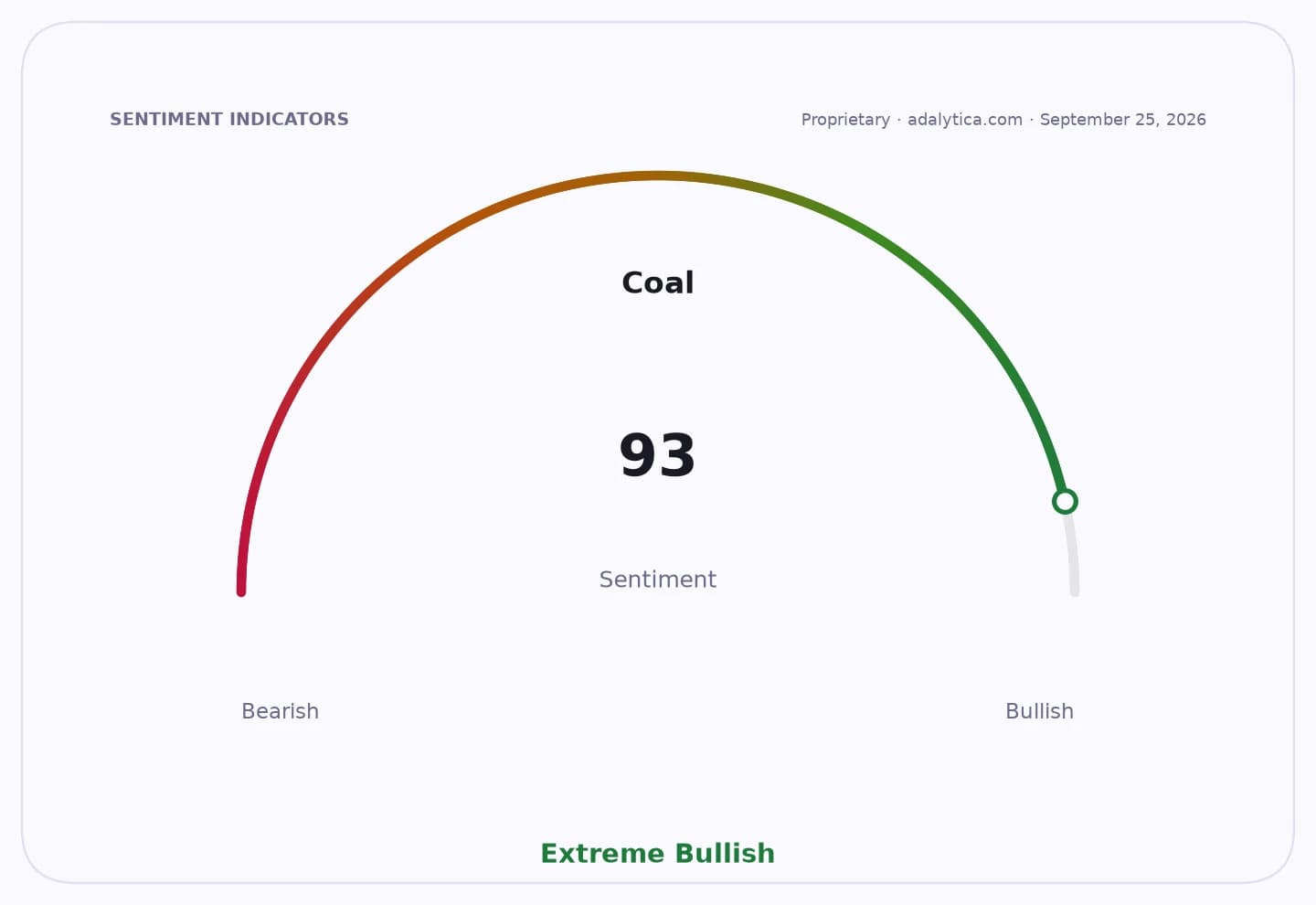
Sentiment IndicatorsⓘProprietary · adalytica.com · August 9, 2026
This is a snapshot — live sentiment, awareness and momentum for 130+ markets update continuously in the dashboard.Open AlphaPulse
That makes the move more than a campus recruiting exercise. Samsung is trying to build a local talent pipeline before the plant reaches full production, while TSMC, Intel and other foundry rivals are also competing for the same scarce workforce in the US. The competition is especially acute in Texas, where incentives, subsidies and geopolitical pressure have drawn nearly every major chip investor.
Samsung’s shares have been volatile in recent weeks, but remain well above the 50-day and 200-day moving averages, underscoring how investors continue to price in the company’s long-term memory and foundry ambitions even as the stock has pulled back from its highs. The latest reading still leaves the stock below its recent peak, with the relative strength index off overheated levels, suggesting the market is cooling but not abandoning the thesis.
TSMC, meanwhile, continues to trade near the upper end of its recent range, reflecting confidence in its manufacturing lead even as sentiment indicators from Adalytica.com show elevated investor greed and extreme awareness around its earnings and expansion plans. For investors, the key question is whether Samsung’s US buildout can translate into competitive execution or whether the talent gap keeps TSMC’s lead intact.
The broader stakes are strategic as well as financial. Washington wants more domestic chip capacity after supply chain shocks exposed the risks of relying on Asia, but subsidies alone do not guarantee output. The next catalyst is Samsung’s Texas construction and hiring progress, alongside TSMC’s own US capacity ramp and any further policy moves in the semiconductor subsidy race.
| Entity | Gains | Losses |
|---|---|---|
| Samsung Electronics | ▲US fab staffing pipeline | ▼Recruitment costs, execution risk |
| TSMC | ▲Time to protect lead | ▼Talent competition in Texas |
| US chip ecosystem | ▲Local jobs and capacity | ▼Labor shortages, wage pressure |
| Investors in semis | ▲More North American supply | ▼Margin pressure from expansion costs |