Samsung is about to pull back the curtain on its next foldables, and that matters because the company is trying to prove the category is no longer a curiosity — it is becoming a real premium-phone business with room to compound.
Samsung Foldables Could Support Premium Pricing
The first look at the Galaxy Z Fold 8 and Flip 8 next week comes at an important moment for Samsung Electronics, which has spent years building foldables into a higher-end product line and now faces a tougher test: can it keep customers interested as rivals sharpen their own device road maps? If Samsung can widen the Fold line with a larger version and keep the Flip family fresh, it strengthens one of the clearest consumer-electronics moats left in smartphones — differentiation.
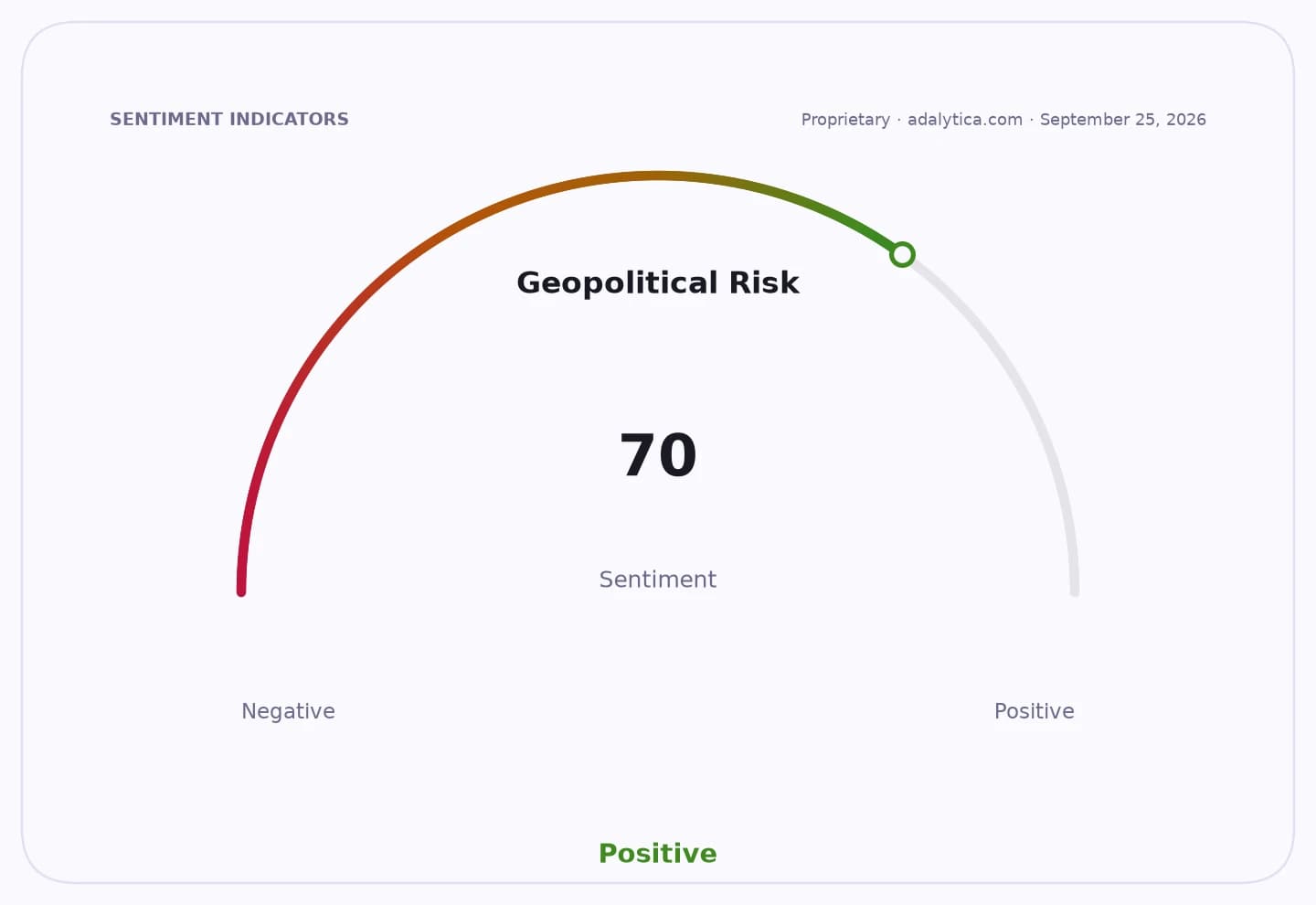
Sentiment IndicatorsⓘProprietary · adalytica.com · July 18, 2026
This is a snapshot — live sentiment, awareness and momentum for 130+ markets update continuously in the dashboard.Open AlphaPulse
For investors, that is the point. Smartphone growth overall is mature, which means product cycles matter more than ever. In a market where average selling prices and upgrade habits can make or break margins, Samsung’s foldable strategy is about more than flashy hardware. It is about defending premium pricing, protecting share, and keeping its ecosystem sticky enough to support profits even when the broader handset market slows.
The setup also hints at Samsung leaning harder into anticipation as a sales tool. Early promotional efforts around a Galaxy Z Fold 8 Ultra suggest the company wants to build demand before launch, not after it. That kind of marketing push usually shows confidence, but it also shows the stakes: Samsung needs the foldable segment to keep expanding if it wants the category to justify the heavy engineering and manufacturing costs that come with it.
Market action has already shown how quickly sentiment can swing around Samsung. The Korean-listed shares have been volatile, with the stock recently trading well below its spring highs after a sharp run-up earlier in the year. Standard technical indicators such as the 50-day moving average and RSI now point to a stock that has cooled from overbought levels, which often happens when investors start asking whether a great story has already been priced in.
Still, the longer-term case is intact. Foldables remain a tiny part of the overall smartphone market, which is exactly why they matter. Even modest gains in adoption can be meaningful when the products sit at the top end of the pricing ladder. If Samsung can make larger foldables more practical, more durable and more compelling for everyday use, it can widen its lead in a category that still has room to grow.
Apple’s continued work on its own device lineup only raises the pressure. The premium-phone market is where the fight for loyal users, app ecosystems and replacement cycles is won. Samsung’s challenge is to stay ahead of the curve long enough to turn product leadership into recurring cash flow, not just one good launch.
For long-term investors, the key question is not whether next week’s reveal moves the stock for a day or two. It is whether Samsung is still the company best positioned to monetize the next phase of smartphone design. If the answer is yes, this launch belongs on the watchlist — and maybe in the portfolio for investors willing to think in years, not weeks.
| Entity | Gains | Losses |
|---|---|---|
| Samsung Electronics | ▲Premium differentiation | ▼Complacent rivals |
| Smartphone buyers seeking upgrades | ▲New form factors | ▼Waiting for next cycle |
| Foldable rivals | ▲Category validation | ▼Samsung’s lead |
| Samsung shareholders | ▲Possible margin support | ▼If launch underwhelms |