Korean equities are ripping higher on a renewed AI trade, with Samsung Electronics and SK Hynix driving a rally that is re-rating the country’s market as one of Asia’s clearest beneficiaries of the global buildout in semiconductors, memory and AI infrastructure.
Samsung, SK Hynix rally on AI trade on July 30
The move matters because it is not just a short-term burst of risk appetite. Korea sits at the heart of the AI supply chain, and when investors rotate back into the theme, the country’s chipmakers tend to act like leverage on the entire cycle. Samsung Electronics, the index heavyweight, has climbed from 149,924 won in early February to 207,000 won on July 30, while SK Hynix has surged from 828,333 won to 1.322 million won over the same span. Even after sharp late-month pullbacks, both names are still trading well above their 50-day moving averages, underscoring how much capital has already been pulled toward the AI hardware story.
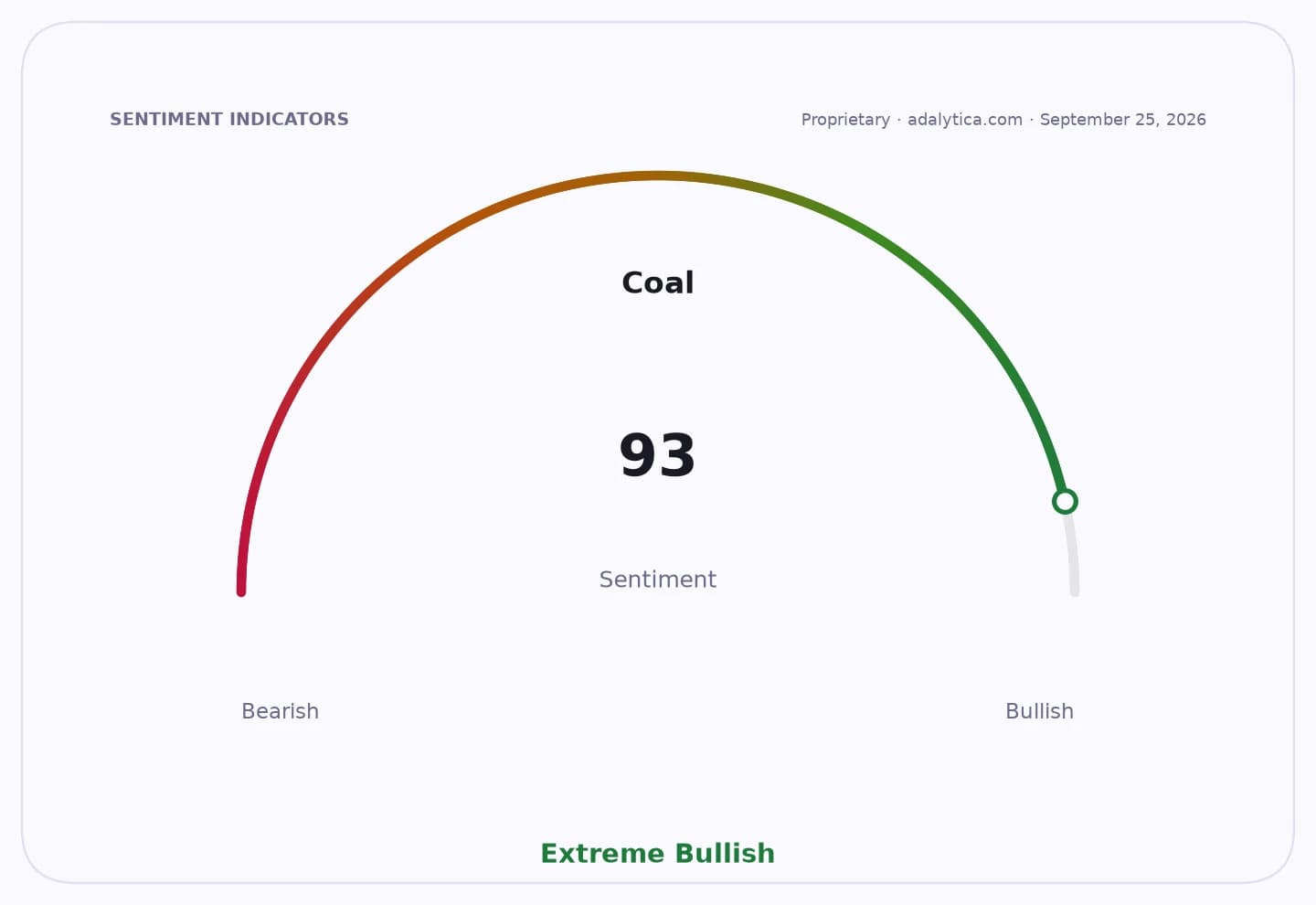
Sentiment IndicatorsⓘProprietary · adalytica.com · July 31, 2026
This is a snapshot — live sentiment, awareness and momentum for 130+ markets update continuously in the dashboard.Open AlphaPulse
That is why the rally matters to investors beyond Korea. The AI thesis has broadened from a narrow Nvidia-led trade into a multi-layered capex cycle that includes memory, packaging, networking, power and industrial automation. When South Korean chip stocks lead, the market is effectively telling you that the next phase of AI spending is not about software hype alone — it is about more servers, more high-bandwidth memory, more advanced components and more supply-chain bottlenecks that can translate into pricing power. Nvidia shares, up sharply earlier in the year and still near $200 at the latest reading, remain the global benchmark for that trade, but the bigger opportunity may lie in the suppliers that sit one or two steps removed from the headlines.
The technical picture shows how stretched the move has become. Samsung’s daily relative strength index fell to 25.6 by July 30 after the stock’s recent slide, while SK Hynix’s RSI sank to 25.6 as well, both levels that typically flag heavy selling after an extended run. But the wider trend remains constructive: Samsung’s share price is still well above its 200-day moving average of 191,800 won, and SK Hynix remains dramatically above its 200-day average of 1.17 million won. In other words, the late selloff looks more like a violent consolidation inside a powerful secular move than the end of it.
That distinction matters for positioning. The market is pricing in not just a recovery in memory demand, but an accelerating AI infrastructure supercycle that could keep earnings momentum elevated across the Korean hardware complex. It also helps explain why Korean stocks can outperform even when broader global sentiment is mixed. Adalytica’s S&P 500 trade signals show U.S. market awareness at an extreme-greed reading of 100, while China-growth sentiment has also remained elevated. In that kind of environment, investors tend to chase the most obvious operating leverage, and Korea’s chip champions are among the cleanest expressions of that theme.
The second-order winners are just as important. Equipment makers, advanced packaging firms, power infrastructure providers and industrial automation plays should all benefit as AI demand moves deeper into factories, data centers and enterprise systems. POSCO DX’s push to become an “AI native” company, with 113 AI employees and a physical AI business aimed at autonomously controlling steel-mill facilities, is a reminder that the trade is expanding beyond semiconductors into industrial AI and factory automation. That broadens the opportunity set for investors looking for the next leg of the theme.
The risk, as always, is that sentiment gets ahead of fundamentals and the trade becomes crowded. But the bigger mistake would be underestimating how much capital can still flow into the AI supply chain once the market decides the next spending wave is real. For investors, the lesson is straightforward: Korea is no longer just a cyclical export market — it is one of the most direct public-market ways to own the AI infrastructure boom. The pullbacks in Samsung and SK Hynix may be the kind of shakeout that creates the next entry point, not the end of the rally.
| Entity | Gains | Losses |
|---|---|---|
| Samsung Electronics | ▲AI-memory upside | ▼Late momentum traders |
| SK Hynix | ▲HBM demand surge | ▼Shorts and weak hands |
| Nvidia | ▲Ongoing capex cycle | ▼None materially |
| AI infrastructure suppliers | ▲Broader spending tailwind | ▼Fading growth skeptics |