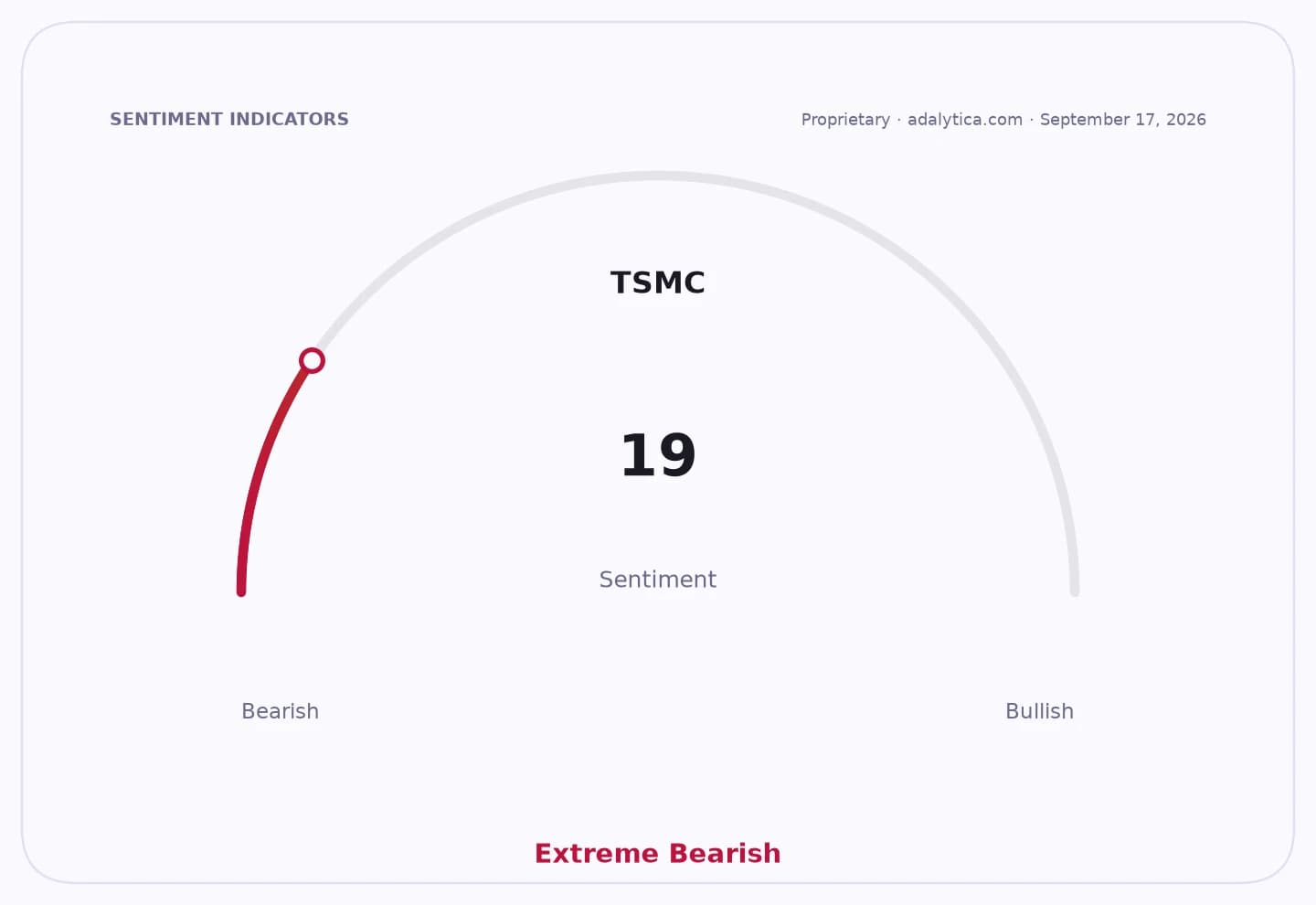
Samsung Electronics is moving to use Taiwan Semiconductor Manufacturing Co.’s 3-nanometre process for Nvidia’s next-generation memory chips, a sign that the AI chip supply chain is becoming more standardized — and more competitive — at the most profitable end of the market.
Samsung to use TSMC for Nvidia memory chips
That matters because Nvidia’s memory suppliers are not just making chips; they are competing for a place in the fastest-growing hardware category in artificial intelligence. If the Seoul Economic Daily report is accurate, Samsung would be the first of Nvidia’s HBM manufacturing partners to work with TSMC at the production stage, underscoring how far the chip designer is pushing its suppliers to build around a common architecture for its NVHBM platform.
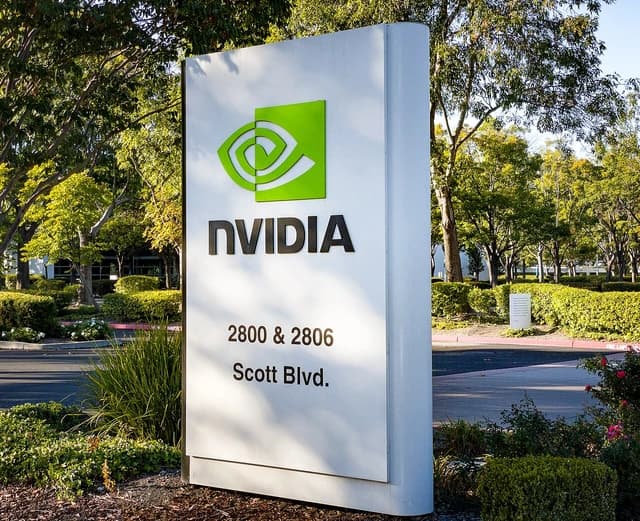
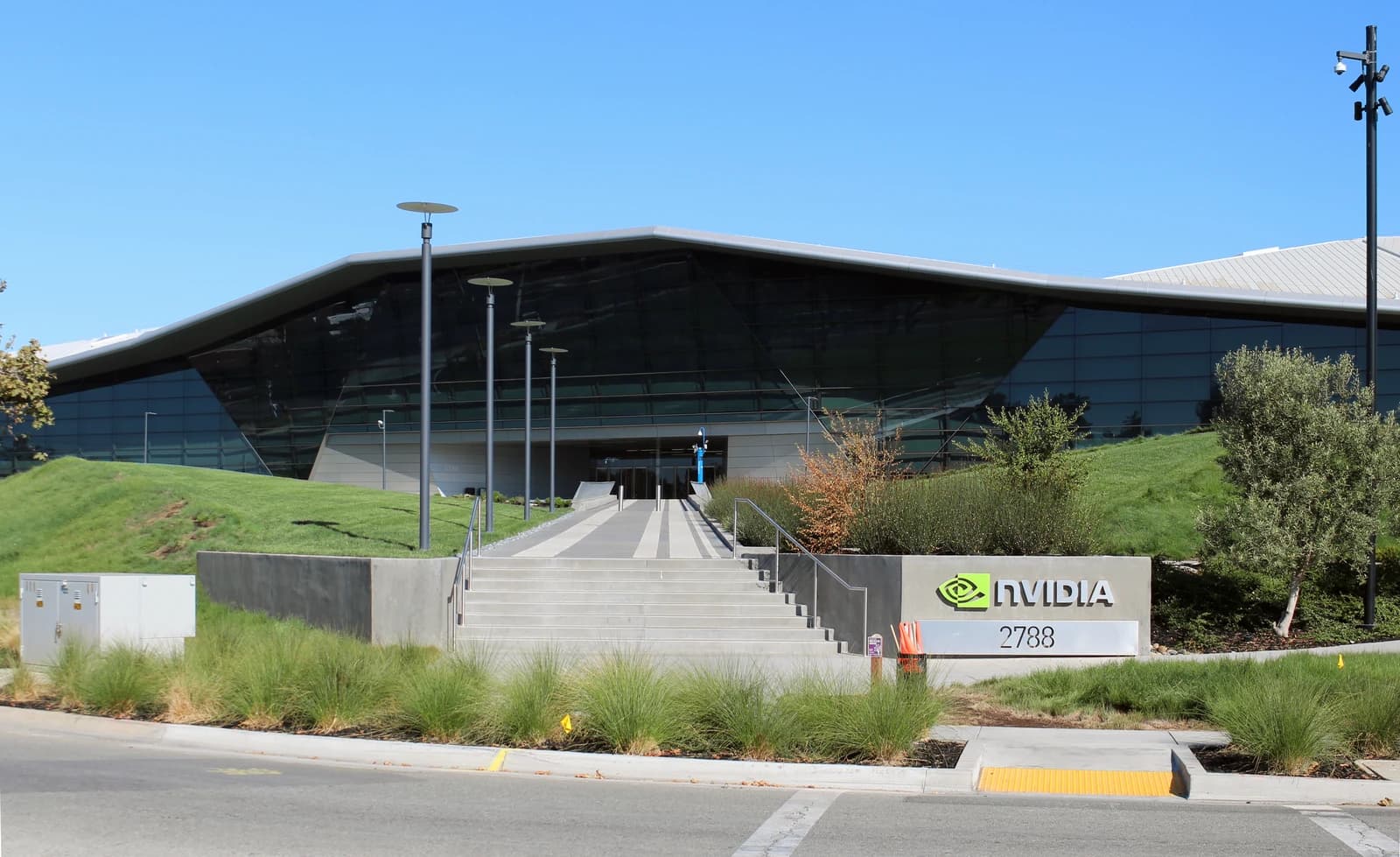
Nvidia unveiled NVHBM in August as a way to integrate its custom memory controller into the base die and standardize implementation across multiple memory vendors. In practical terms, that can make it easier for Nvidia to diversify supply, reduce bottlenecks and speed up adoption of its next-generation AI systems. For investors, the big takeaway is that the company is still deepening its control over the AI stack, even as it leans on outside foundries and memory makers to meet demand.
Samsung’s decision is also a quiet but important nod to TSMC’s manufacturing advantage. The Taiwanese foundry remains the premium production partner for advanced chips, and this arrangement would extend its reach deeper into the memory ecosystem rather than just central processors and accelerators. That is good for TSMC’s utilization and long-term pricing power, especially while AI-related orders remain strong across the sector.
For Samsung, the move looks less like surrender and more like pragmatism. It keeps its own model for standard HBM and customized products for other customers, while opening the door to Nvidia’s requirements in a fast-growing niche where scale matters. The company is even evaluating whether its own foundry could make NVHBM base dies later if demand overwhelms TSMC’s capacity, which suggests Samsung wants optionality rather than dependence.
The broader investment story here is that AI infrastructure is still reorganizing around a handful of indispensable suppliers. Nvidia remains the demand engine, TSMC the manufacturing kingmaker, and Samsung a potential beneficiary if it can convert advanced memory know-how into more business. For long-term investors, that makes the supply chain itself part of the AI trade — not just the headline names.
The risk, of course, is execution. Any delay, capacity crunch or technical mismatch could slow product ramps and shift business toward rivals such as SK Hynix or Micron. But if the new arrangement holds, it points to a durable trend: AI memory is becoming more standardized, more specialized and more valuable, which should support the strongest players over the next several years.
| Entity | Gains | Losses |
|---|---|---|
| Nvidia | ▲More stable HBM supply | ▼Less supplier flexibility |
| TSMC | ▲More advanced-node volume | ▼Capacity pressure |
| Samsung Electronics | ▲Access to Nvidia demand | ▼More dependence on Nvidia specs |
| SK Hynix / Micron | ▲Clearer market standard | ▼Higher competition for contracts |