Saudi Arabia’s Aramco Stadium is taking shape in Khobar as the kingdom races to build the sports infrastructure needed to host the 2034 FIFA World Cup and a growing calendar of international events.
Saudi Arabia’s Aramco Stadium Takes Shape in Khobar
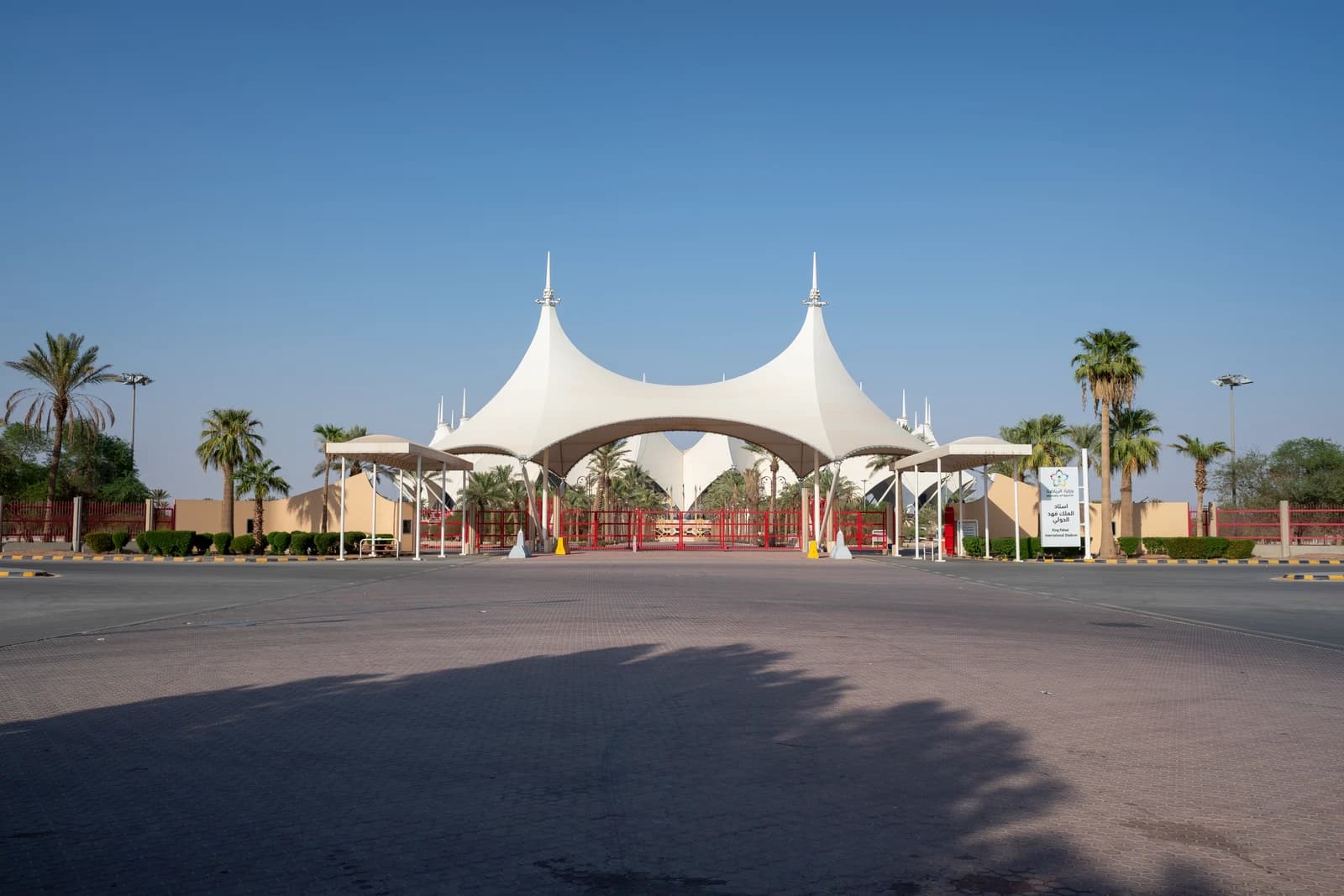
The project matters because it is not just another arena: it is being positioned as a multi-use venue for football, cultural programs, expos and year-round community activity, part of Riyadh’s wider push to turn Saudi Arabia into a regional hub for global sport and entertainment. For investors, that points to longer-run support for tourism, retail, hospitality and transport spending tied to the kingdom’s Vision 2030 drive.
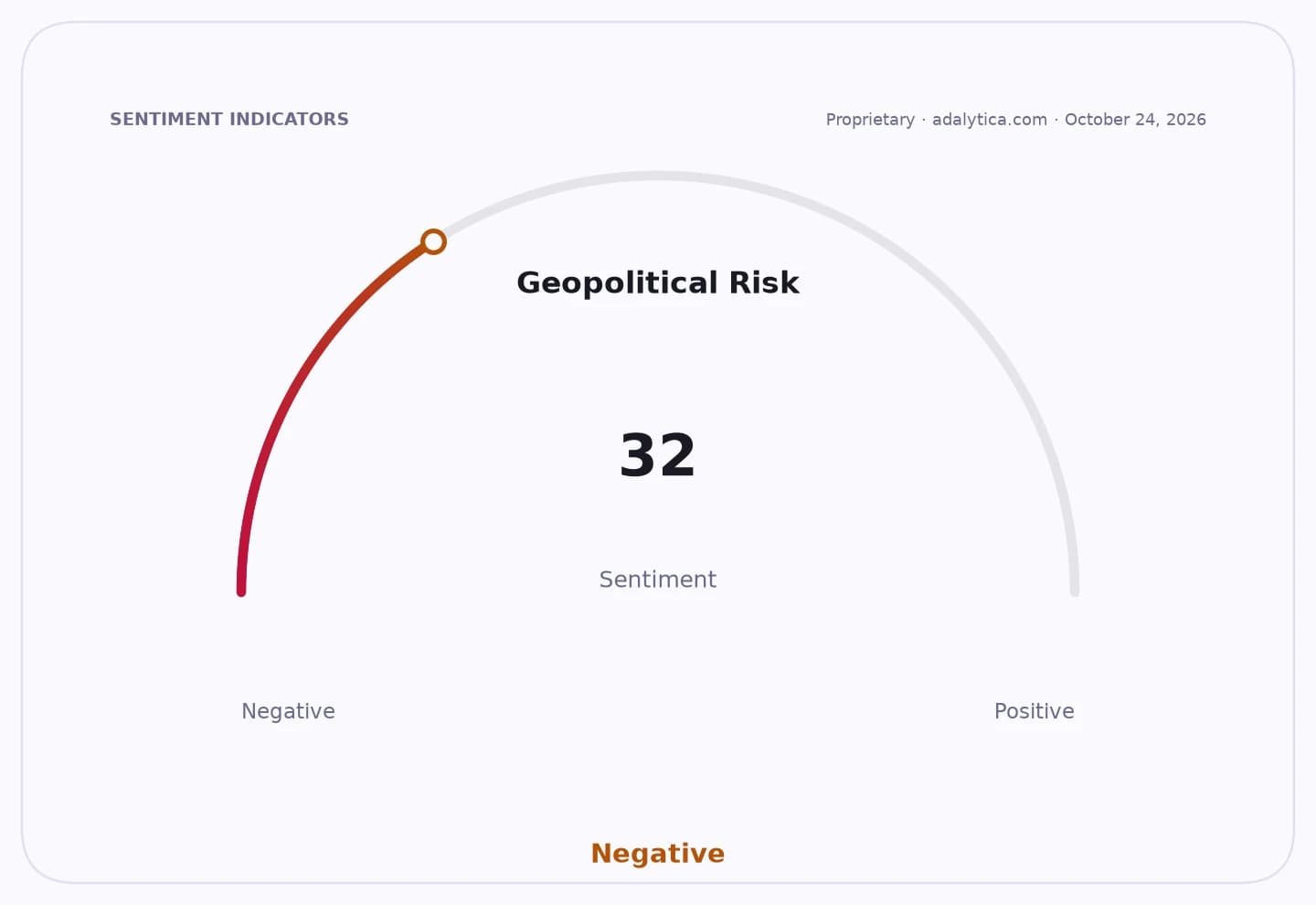
Sentiment Indicators
Saudi media said the stadium is being built to world-class standards and designed around the coastal character of the Eastern Province city. The venue will include hospitality areas, VIP suites, modern media facilities, commercial and entertainment space, a public park, a 5-kilometer walking and cycling track and outdoor sports courts.
Its location in Khobar, close to major highways and a fast-growing urban and economic corridor, is meant to make the site accessible from across the Eastern Province. That strategic placement underscores how Saudi Arabia is using sports projects as anchors for broader urban development, not simply as one-off event venues.
The stadium is also one of the grounds expected to host matches during the 2034 World Cup, adding urgency to construction timelines across the kingdom. For contractors, tourism operators and venue-linked businesses, the buildout offers a pipeline of spending; for rival regional hosts, it raises the bar for infrastructure quality and event readiness.
The next focus for investors will be how quickly Saudi Arabia can deliver the venues, transport links and surrounding commercial districts needed to support the tournament bid and monetize the facilities afterward.
| Entity | Gains | Losses |
|---|---|---|
| Saudi Arabia | ▲Global event capacity | ▼Construction execution risk |
| Aramco / local developers | ▲Long-term asset value | ▼Upfront capital burden |
| Tourism, retail, hospitality | ▲More traffic and spending | ▼Competitors without upgrades |
| Rival regional hosts | ▲— | ▼Missed event opportunity |