Saudi Arabia has withdrawn from mBridge, the China-led cross-border payment platform built with digital currency technology, ending its active role in a project closely watched as a potential alternative to dollar-based settlement.
Saudi Arabia Withdraws From mBridge Payments Project
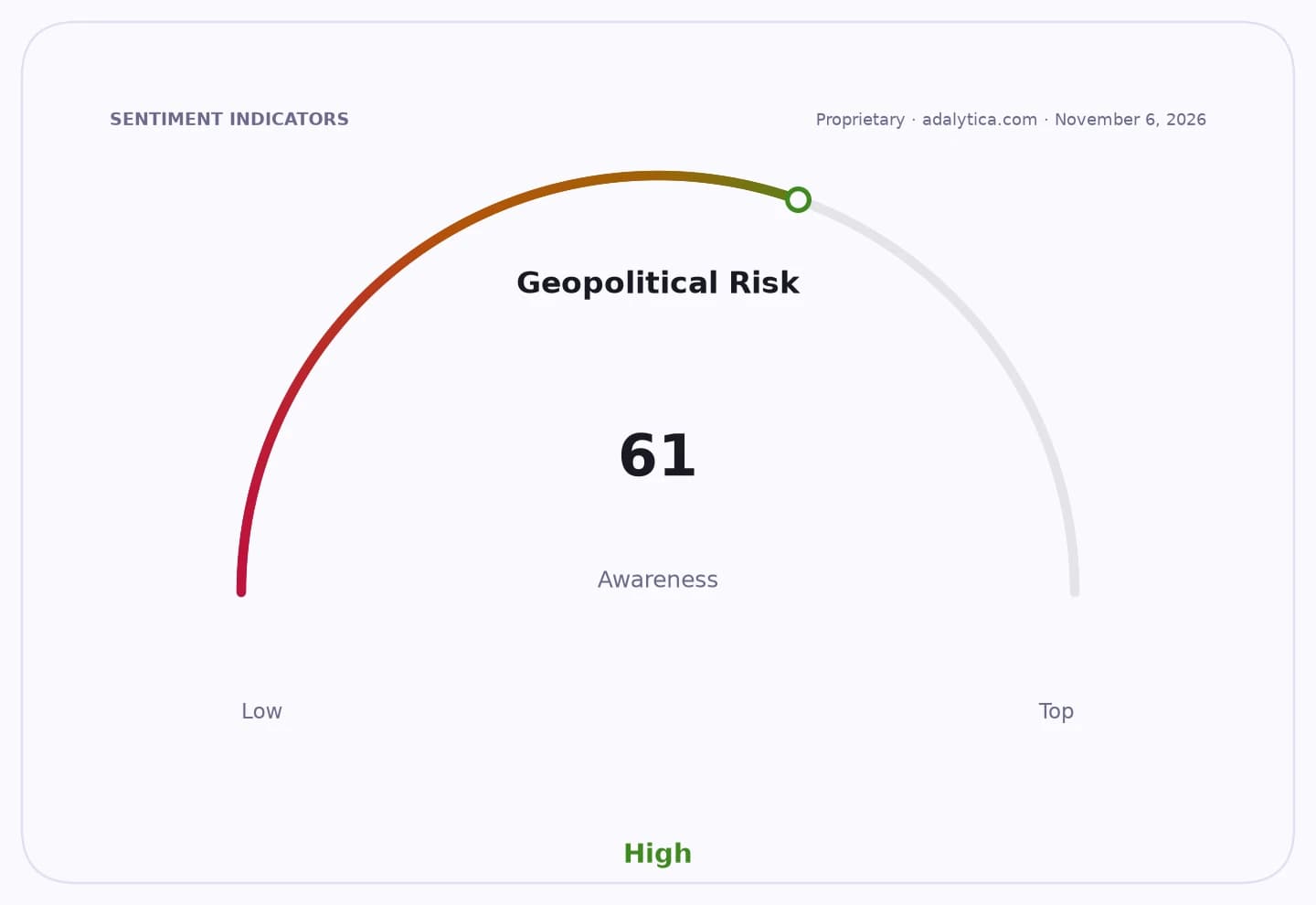
Geopolitical Risk
The move matters because mBridge sits at the intersection of payments technology, geopolitical rivalry and the future of the U.S. dollar’s dominance in international trade. Any high-profile exit by a major Gulf economy weakens the optics of a system designed to move money outside conventional channels such as SWIFT and reduce reliance on intermediary currencies.
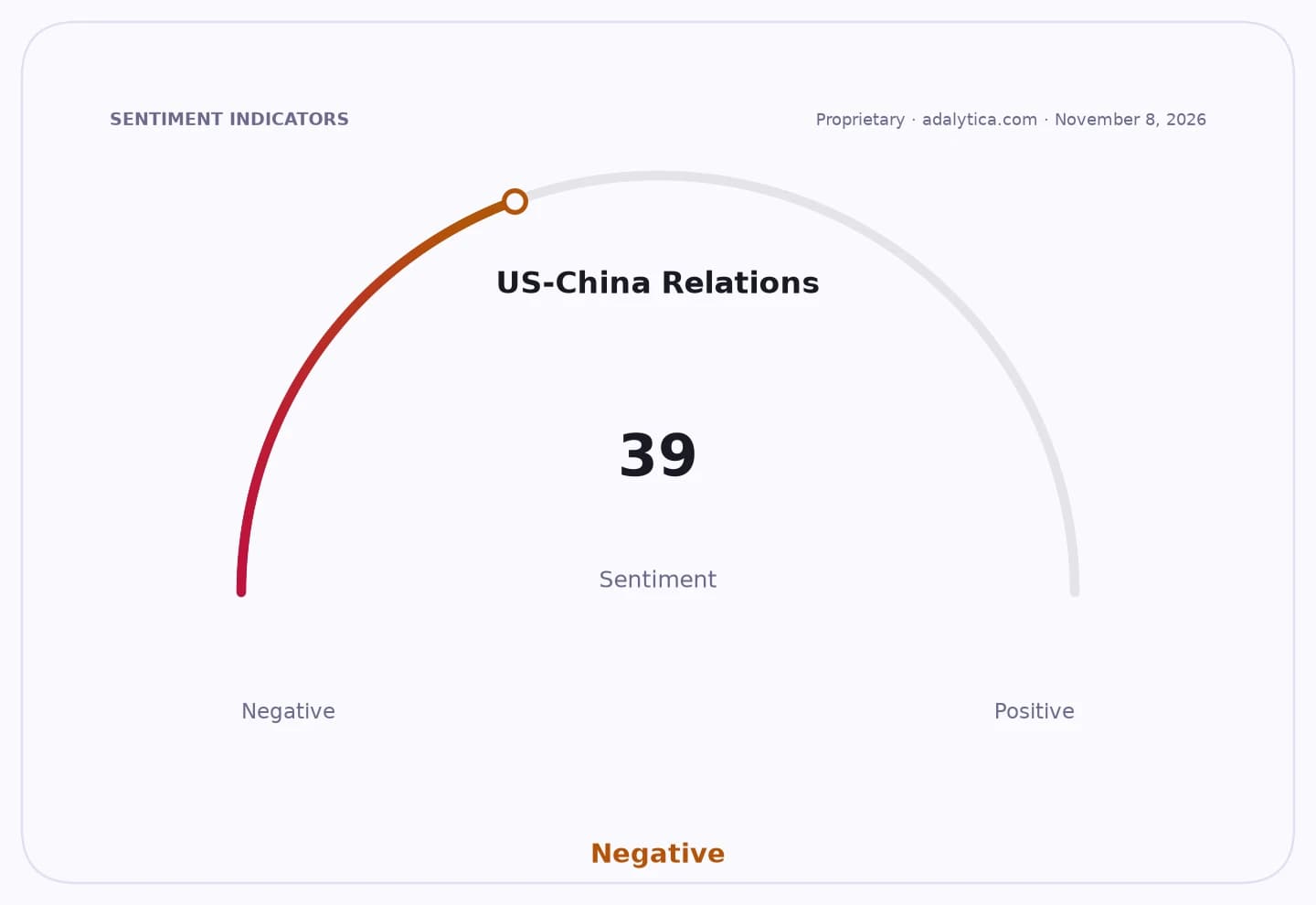
Sentiment Indicators
Saudi Arabia’s central bank said it completed its planned participation on May 13, 2025, after helping develop the platform’s base version and running a proof-of-concept in 2024. That makes the departure look less like a sudden political break than the end of a limited trial, though the kingdom is still understood to be following the project discreetly.
mBridge uses blockchain to allow central banks to transact directly in digital currencies, cutting foreign-exchange costs and settlement times. That promise has made it attractive to countries seeking faster cross-border payments, but it has also drawn scrutiny in Washington because of its potential to bypass traditional rails and expand the role of China’s currency influence.
Saudi Arabia joined mBridge as an observer in 2023 and became an active member in 2024 alongside China, Hong Kong, Thailand, the UAE and the Bank for International Settlements. The BIS itself exited in October 2024, saying it had finished its role, while denying the move reflected political pressure or project failure.
For investors, the development reinforces a key market narrative: de-dollarization remains a long-term policy ambition for some emerging economies, but adoption is still fragile when major U.S. allies weigh the diplomatic cost of distancing themselves from dollar infrastructure. That leaves the dollar’s reserve status intact for now, even as experiments with digital settlement platforms continue.
The political backdrop remains sensitive. President Donald Trump has threatened 100% tariffs on BRICS countries if they push alternatives to the dollar, underscoring the risk for governments and institutions seen as helping build rival payment rails. Economists say projects like mBridge could still lower transaction costs for allies of the U.S., but those same countries remain wary of Washington’s reaction if the effort is perceived as advancing China’s financial reach.
Macau’s monetary authority joined mBridge this year and launched the system in June, showing the platform is still advancing in parts of Asia even as Saudi Arabia steps back. The next test is whether the project can expand beyond pilot status without becoming a casualty of U.S.-China tensions.
| Entity | Gains | Losses |
|---|---|---|
| U.S. dollar system | ▲Dollar dominance preserved | ▼Pressure from rival payment rails |
| China and mBridge backers | ▲Continued platform development | ▼Saudi Arabia’s active participation |
| Saudi Arabia | ▲Lower political exposure | ▼Direct role in the project |
| SWIFT and legacy rails | ▲Competitive position intact | ▼Long-term challenge from digital settlement alternatives |