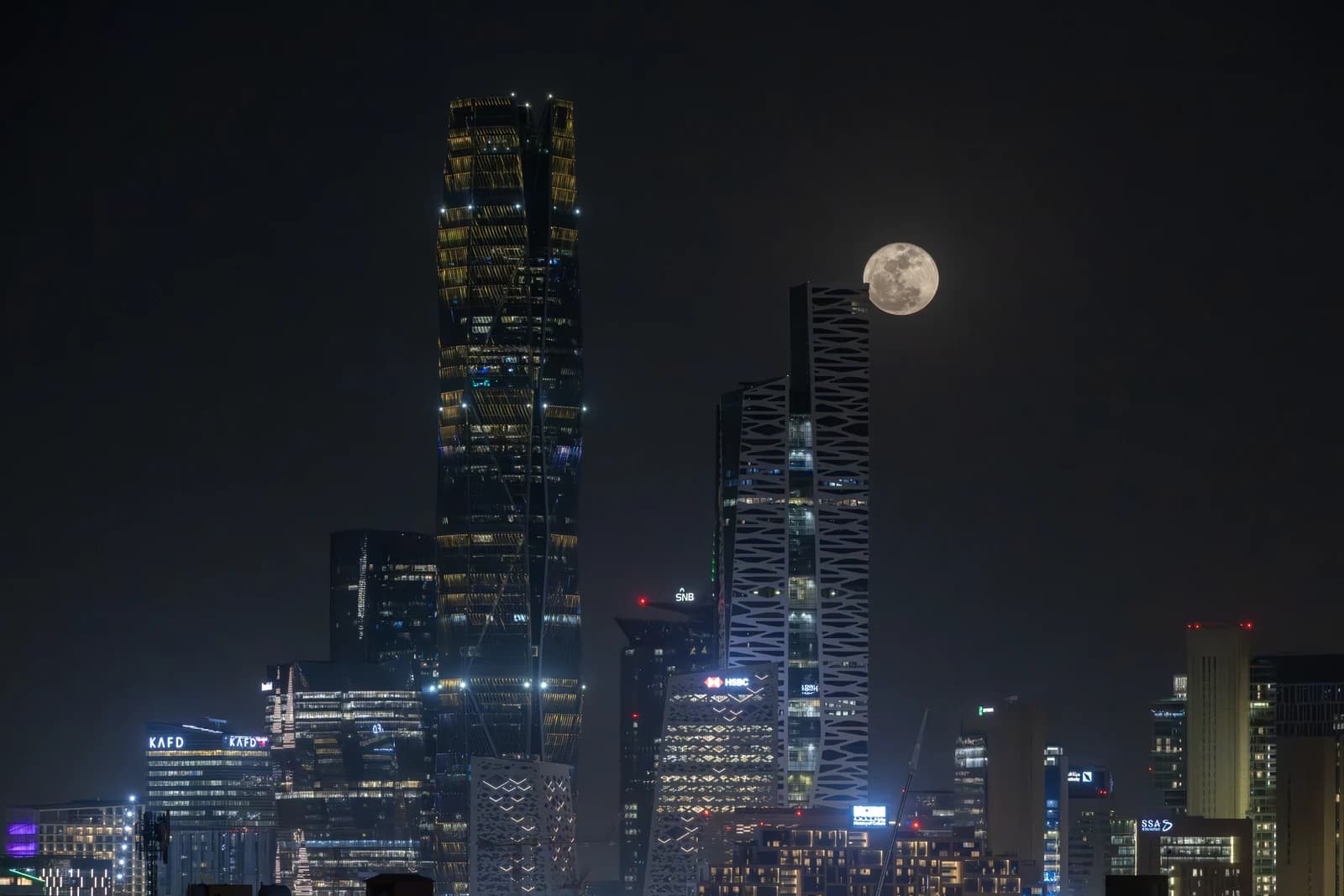
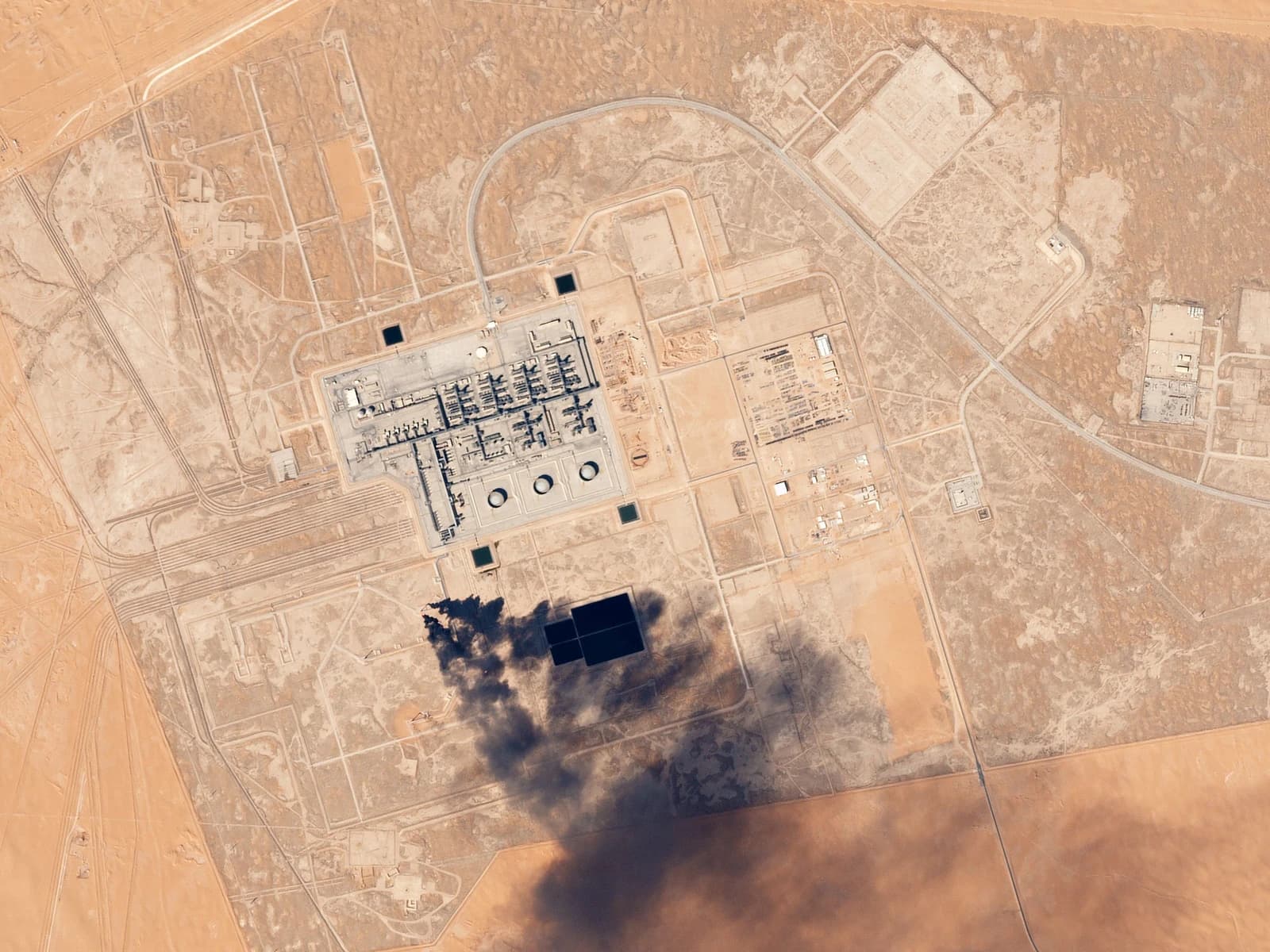
Saudi Arabia has postponed its flagship Future Investment Initiative after Houthi attacks on the kingdom raised fresh doubts about the security backdrop for the “Davos in the desert” event and the broader foreign-capital drive behind Vision 2030.
Saudi Arabia postpones Future Investment Initiative
The move matters because FII is not just another conference: it is Saudi Arabia’s main annual pitch to global investors, corporates and financiers, with last year’s gathering drawing more than 8,000 participants. Delaying it until next year removes one of Riyadh’s most visible tools for showcasing stability at a time when it is trying to reduce reliance on oil and reposition itself as a hub for technology, trade, entertainment and tourism.
Sentiment IndicatorsⓘProprietary · adalytica.com · October 24, 2026
This is a snapshot — live sentiment, awareness and momentum for 130+ markets update continuously in the dashboard.Open AlphaPulse
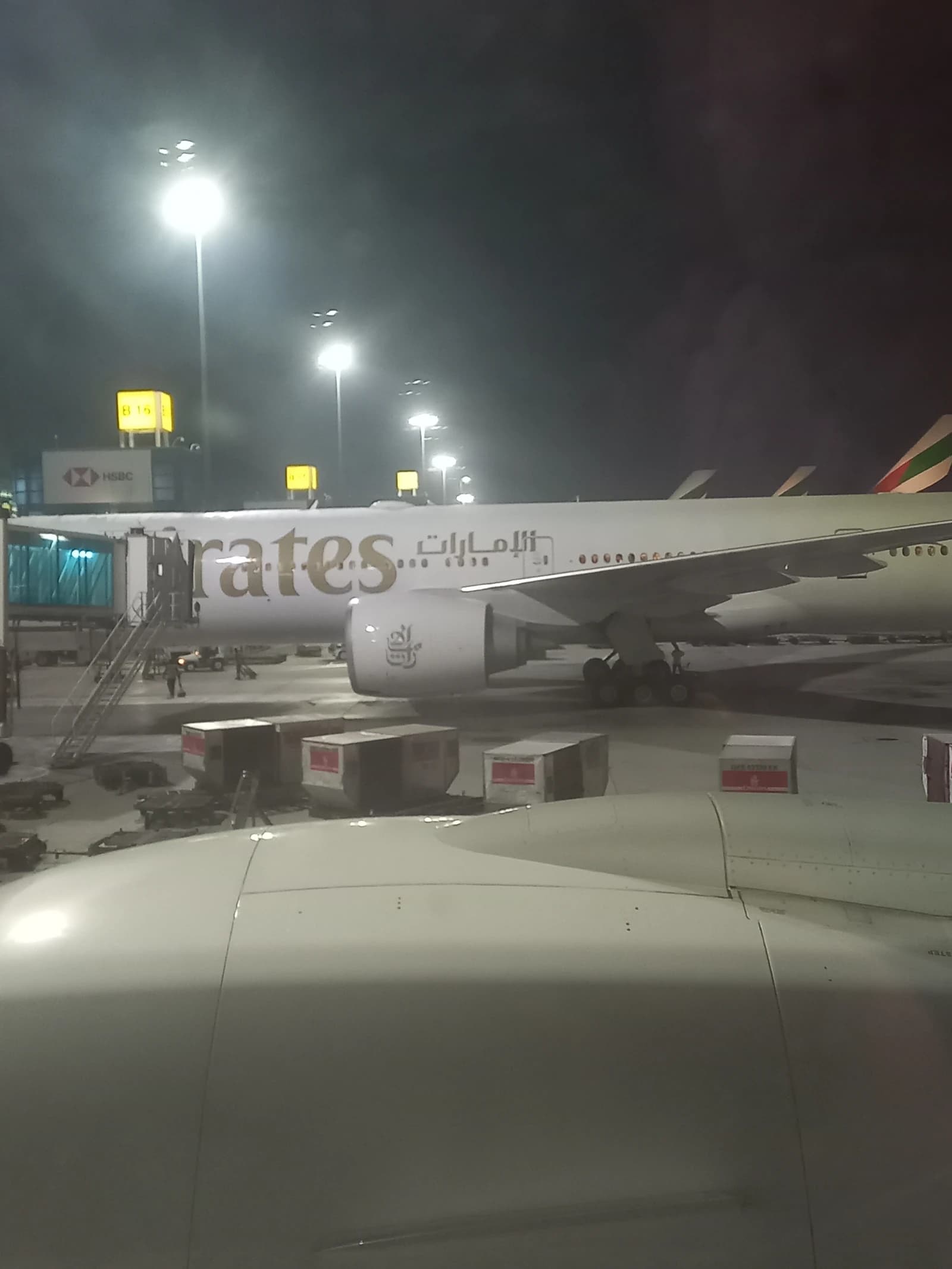
The cancellation is also a reminder that geopolitical risk can quickly become an economic constraint. Saudi Arabia has spent heavily to diversify its economy and attract overseas money, but attacks that reach the capital and its airport undermine the message that the kingdom is a safe place to deploy capital, host international events and build long-term businesses. That reputational damage is difficult to quantify, but it can affect investor confidence, tourism flows and the willingness of executives to travel to the kingdom.
The postponement comes as Saudi Arabia has already been forced to scrap or delay a string of events, including an EU-Gulf Cooperation Council summit, the Misk Global Forum, several sports competitions and the Red Sea Film Festival. That pattern suggests the issue is no longer limited to a single conference but to the broader functioning of the kingdom’s event economy, which has become part of its strategy to court foreign direct investment and broaden the non-oil base.
For investors, the implications run in two directions. On one side, a more volatile security environment raises execution risk for Saudi assets tied to inbound capital, hospitality, aviation and projects linked to Vision 2030. On the other, the kingdom’s longer-term reform agenda remains intact, and officials are likely to see the postponement as a tactical move to protect the conference’s prestige rather than a retreat from the investment push itself.
The market backdrop is already fragile, with global investors in defensive mode and geopolitical tensions weighing on risk appetite. In that environment, any sign that Saudi Arabia’s domestic stability is being tested becomes more relevant, not less. The key question now is whether Riyadh can restore confidence quickly enough to keep capital inflows and mega-event planning on track, or whether repeated disruptions begin to chip away at the investment story underpinning the kingdom’s transformation.
| Entity | Gains | Losses |
|---|---|---|
| Houthi militants | ▲Demonstrate reach | ▼Saudi stability narrative |
| Saudi government | ▲Limits immediate security optics damage | ▼FII visibility and investor confidence |
| Global investors | ▲Gain clearer risk pricing | ▼Near-term event access and deal flow |
| Vision 2030 sectors | ▲Longer-term reform focus remains | ▼Short-term funding and sentiment |