Saudi Aramco’s decision to trim crude selling prices for September underscores a weaker near-term market for Middle East barrels and suggests the world’s biggest oil exporter sees less support from global demand and geopolitical risk than it did in recent months.
Saudi Aramco cuts September crude prices

The cuts matter because Aramco’s official selling prices set the tone for a large share of crude cargoes shipped to Asia, the company’s key market, and often serve as a reference point for other producers in the Gulf. When the Saudi benchmark is reduced, it usually reflects softer prompt fundamentals: weaker refinery buying power, more comfortable crude availability, or a need to stay competitive against rival grades.
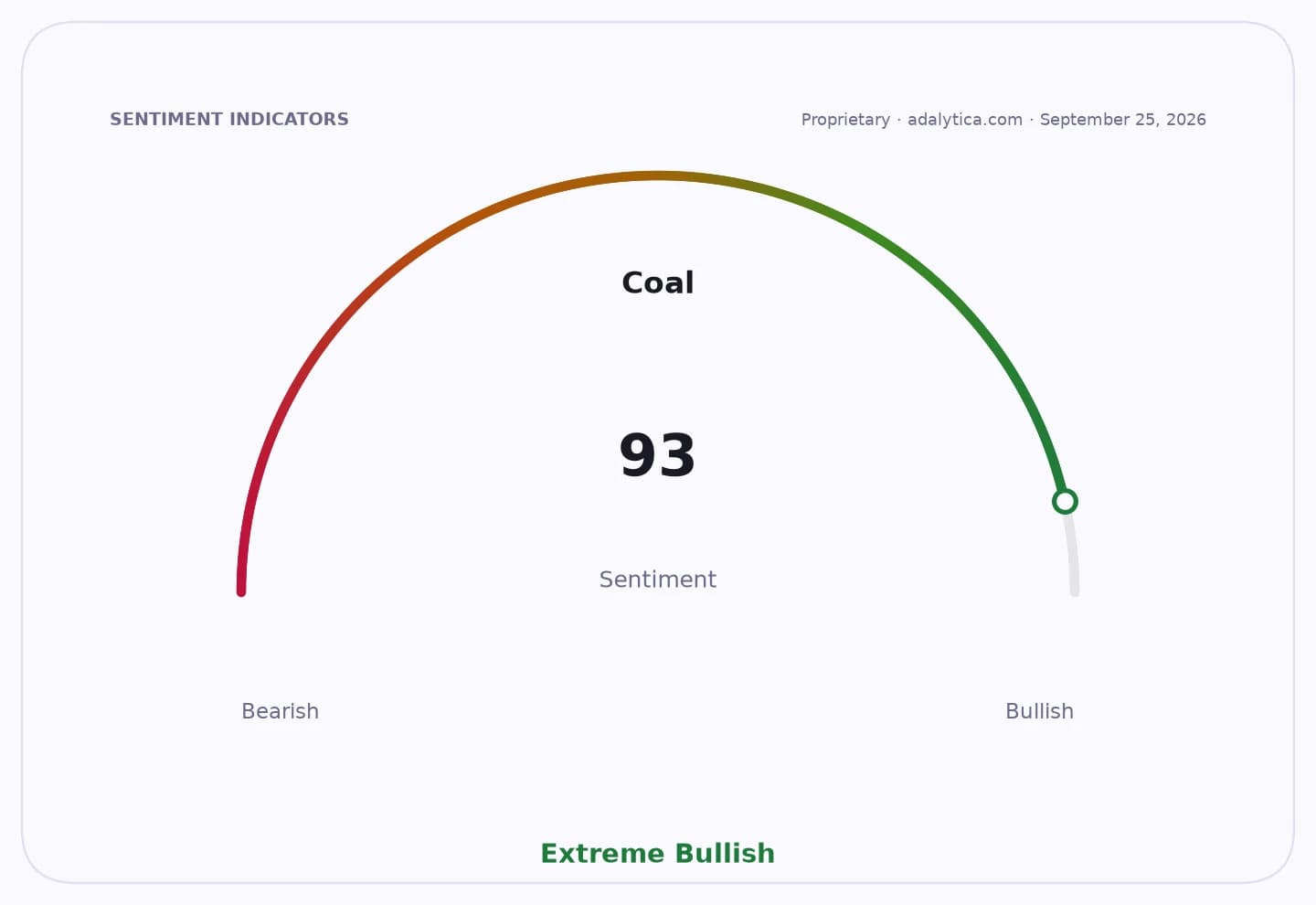
Sentiment IndicatorsⓘProprietary · adalytica.com · August 6, 2026
This is a snapshot — live sentiment, awareness and momentum for 130+ markets update continuously in the dashboard.Open AlphaPulse

The move comes as international oil benchmarks have rolled over. Brent crude has fallen to a three-week low, briefly trading below $78 a barrel and slipping under the $80 level, while U.S. benchmark WTI has eased to around $85. Ongoing Middle East uncertainty has kept volatility high, but the latest price action suggests traders are giving more weight to signs of easing conflict risk and rumor-driven de-escalation than to immediate supply disruption.
That shift has immediate implications for producers and investors. Lower Saudi pricing can compress upstream margins across the Gulf, particularly if it persists into a period of seasonally softer demand. It also tends to pressure energy equities, which have already become more sensitive to crude retracement after a strong run-up earlier in the year. The Energy Select Sector SPDR ETF has been retreating from its highs even as technical indicators such as the 50-day moving average and RSI readings point to a market that remains volatile rather than decisively broken.
The macro backdrop is still uneasy. The 10-year Treasury yield is holding near 4.6%, leaving a relatively restrictive financing environment in place for growth-sensitive sectors and reinforcing the importance of commodity prices for inflation expectations. For oil markets, that means every move in Saudi pricing feeds into the broader debate over whether inflation pressures can re-accelerate or whether energy disinflation can continue to cushion consumers and central banks.
The bull case for crude remains that geopolitical shocks can return quickly, especially in the Middle East, and that OPEC+ supply management could tighten the market again if prices weaken too far. The bear case is that demand is no longer absorbing extra barrels at the pace seen earlier in the year, leaving Middle East exporters to compete more aggressively for Asian refiners.
For investors, the key question is whether Aramco’s September cut marks a temporary adjustment or the start of a broader price-reset across the oil complex. If benchmarks stabilize above current levels, the move may prove tactical. If Brent and WTI keep drifting lower, the signal from Riyadh would be harder to ignore: the market is entering a softer pricing phase that could favor refiners, airlines and consumers while weighing on producers, oil services and high-beta energy shares.
| Entity | Gains | Losses |
|---|---|---|
| Refiners | ▲Lower crude input costs | ▼Oil producers’ margins |
| Consumers | ▲Softer fuel costs | ▼Inflation hedge trades |
| Energy stocks | ▲Select refiners | ▼Upstream and oil services |
| Saudi Aramco / Gulf exporters | ▲Near-term competitiveness | ▼Realized sales pricing |