Saudi Aramco said a fire at its facility in Jazan has been extinguished, easing immediate concern that one of the world’s most important oil producers could face a longer supply disruption after regional tensions rattled energy markets.
Saudi Aramco Jazan fire extinguished after oil trades near $78
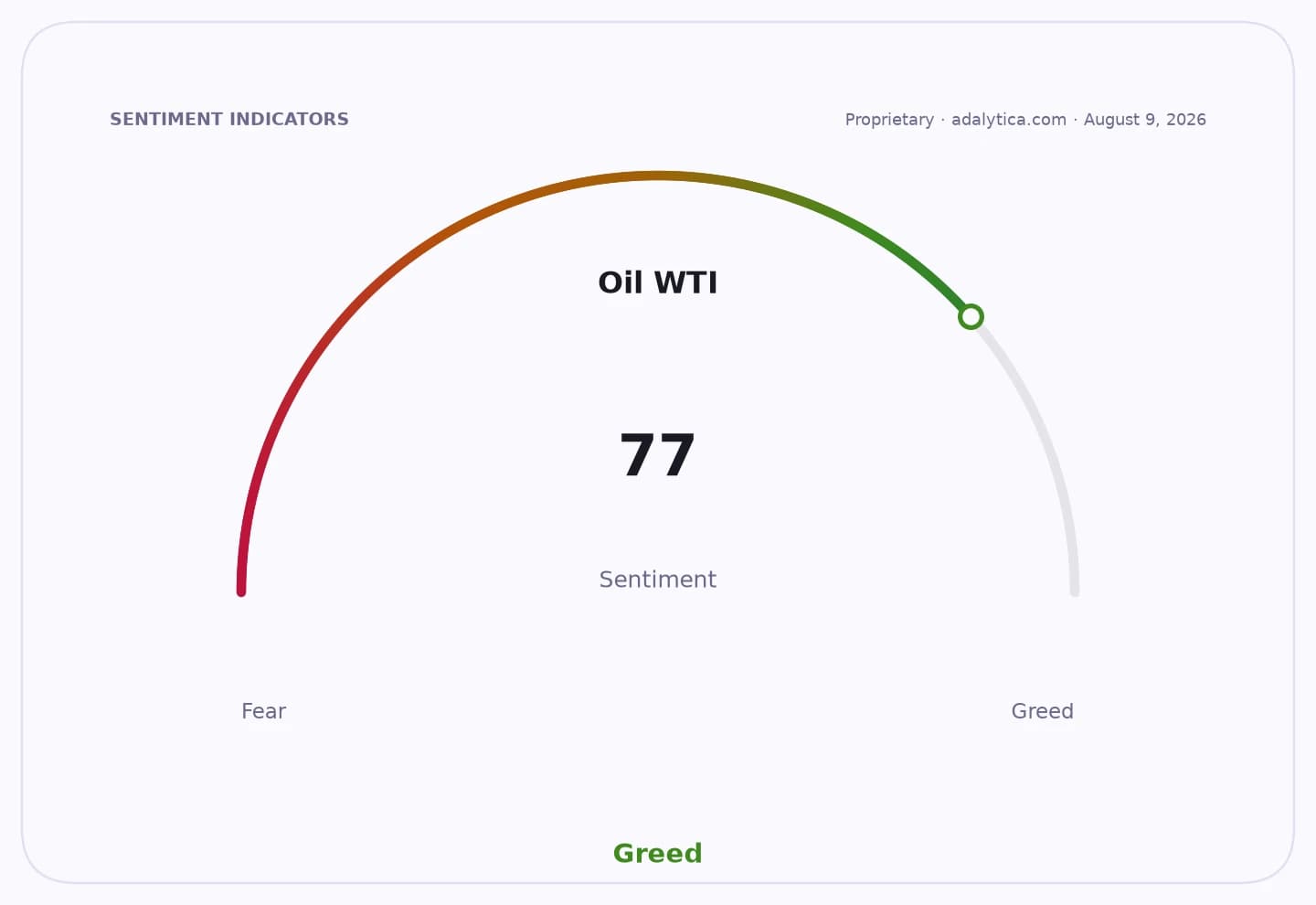
The rapid containment matters because even brief outages in Saudi Arabia can ripple through crude pricing, refining margins and tanker flows across the Middle East. With oil already trading near $78 a barrel on Aug. 7, up from $75.22 the day before and still above the 50-day moving average, the market is highly sensitive to any sign of physical supply risk.
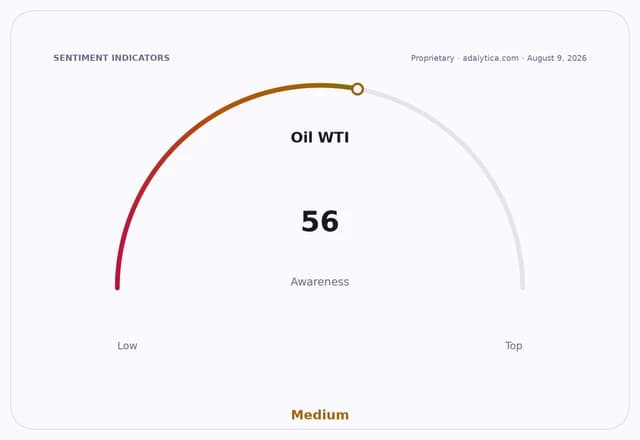
Aramco did not indicate any broader damage in the initial update, and the key question for investors is whether operations at Jazan return to normal quickly or whether inspections uncover downtime that could affect output, exports or downstream fuel supply. Saudi facilities carry outsized weight in global balances because they sit at the center of OPEC+ production and export networks.
The fire also lands against a volatile backdrop for energy stocks. The XLE energy ETF has been trading around 57.5, while Saudi Aramco shares on the Saudi market slipped to 26.50 riyals on Aug. 6 after holding above their 200-day moving average, suggesting investors are still keeping a premium on geopolitical risk even as the immediate incident appears contained.
For oil producers, the development is supportive only insofar as it reinforces the market’s risk premium. For refiners, airlines and fuel users, the faster the situation normalizes, the less likely it is to feed into a further price spike; traders will now focus on any follow-up statement from Aramco, regional security developments and whether crude can hold above the high-$70s.
| Entity | Gains | Losses |
|---|---|---|
| Aramco | ▲Contained incident quickly | ▼Faces scrutiny over facility security |
| Oil bulls | ▲Higher risk premium | ▼Missed chance for a supply shock |
| Refiners and fuel users | ▲Limited if disruption stays brief | ▼Exposed to price spikes |
| XLE holders | ▲Energy-sector support | ▼Lose if crude risk premium fades |