Saudi Aramco and Maaden are moving to build a joint venture around copper, rare earths and other critical minerals, a step that ties the kingdom’s mining strategy to the global scramble for metals needed in electrification, defense and artificial intelligence infrastructure.
Saudi Aramco and Maaden Plan Copper and Rare Earth JV
The significance is less about a single project than about the direction of capital in a market where resource security has become strategic policy. Copper is essential for power grids, data centers and renewable generation, while rare earths sit inside magnets used in electric motors, wind turbines and advanced electronics. As AI investment expands, so does demand for the metal-intensive energy systems that support it, making upstream supply a longer-duration theme for investors than the latest technology cycle.
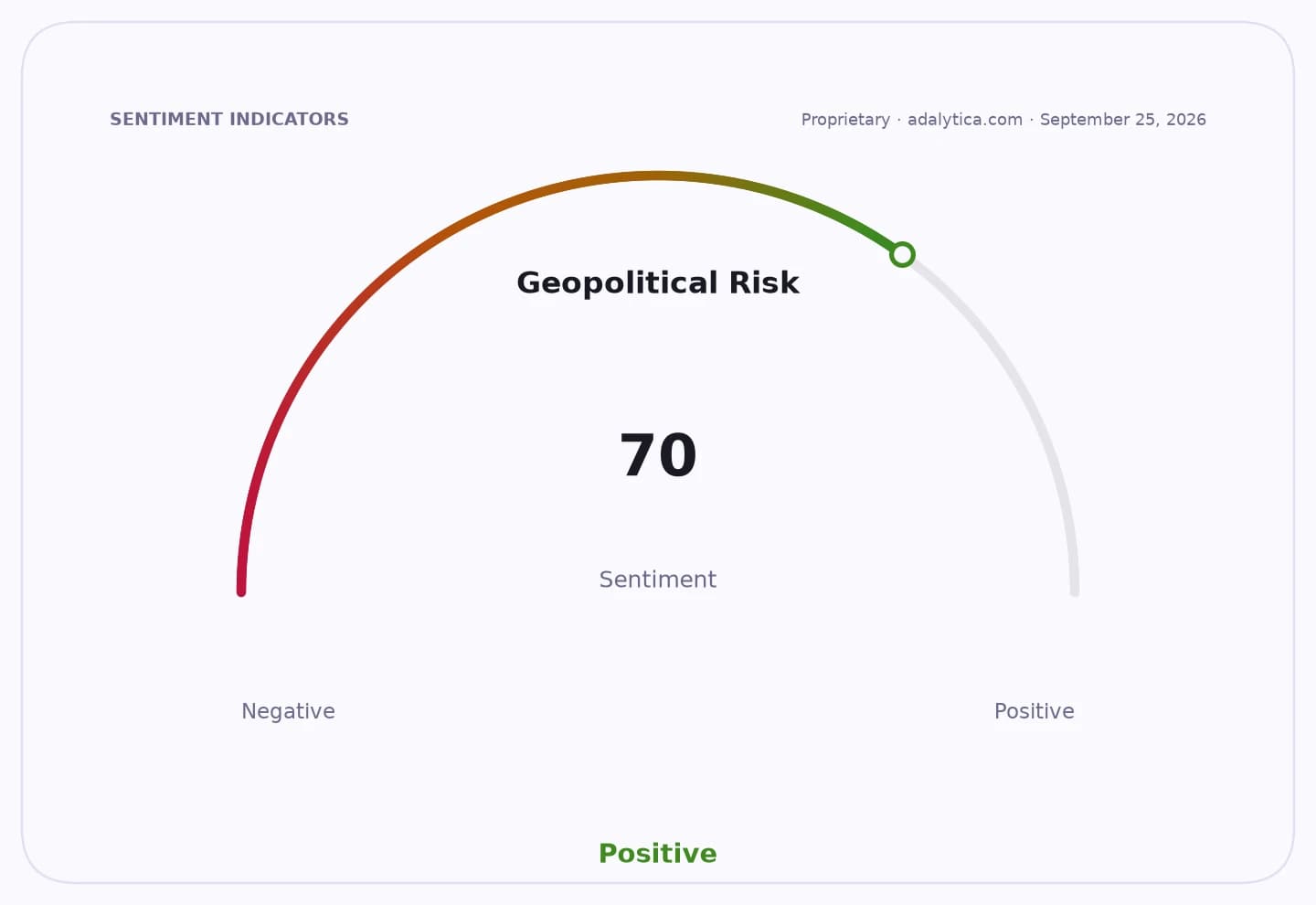
Sentiment IndicatorsⓘProprietary · adalytica.com · August 18, 2026
This is a snapshot — live sentiment, awareness and momentum for 130+ markets update continuously in the dashboard.Open AlphaPulse
The move also fits a broader Saudi effort to diversify away from oil and capture more value from the country’s mineral endowment. Bringing Aramco into the sector gives the kingdom access to one of the world’s most sophisticated industrial operators, while Maaden brings mining expertise and a domestic platform. The partnership could help accelerate exploration, processing and downstream development in a country that wants to become a larger supplier of materials central to the energy transition.
Markets are already pricing the geopolitical premium attached to those materials. Oil remains volatile, with WTI forecast around $87.05 a barrel on Aug. 12, but the bigger structural story for capital allocators is not crude — it is the competition for hard assets that can support power demand, grid buildouts and industrial automation. That makes the critical minerals trade more durable than a tactical commodity move and helps explain why governments from Washington to Riyadh are sharpening policy around supply chain resilience.
Investor interest should extend beyond mining equity exposure to the whole industrial chain: exploration, processing, equipment, and infrastructure. In practice, this kind of state-backed venture can be supportive for specialist miners, refiners and engineering firms, while increasing pressure on countries and companies still dependent on concentrated supply from China and a handful of producers. For existing suppliers, the risk is that new state capital could eventually bring more competition into already strategic markets.
For Aramco, the upside is diversification and optionality; for Maaden, it is access to a stronger sponsor and potentially faster scale. The bear case is execution: critical minerals projects are capital intensive, technically demanding and exposed to permitting, commodity-price swings and long lead times. But if Riyadh can convert mineral potential into production, the payoff would be measured not only in corporate returns but in strategic leverage over materials that underpin the next phase of industrial growth.
| Entity | Gains | Losses |
|---|---|---|
| Aramco | ▲Diversifies beyond oil | ▼Execution and capital risk |
| Maaden | ▲Scale and partner backing | ▼Pressure to deliver projects |
| Critical-minerals suppliers | ▲Higher strategic demand | ▼More future competition |
| China-dominant supply chains | ▲— | ▼Greater diversification pressure |