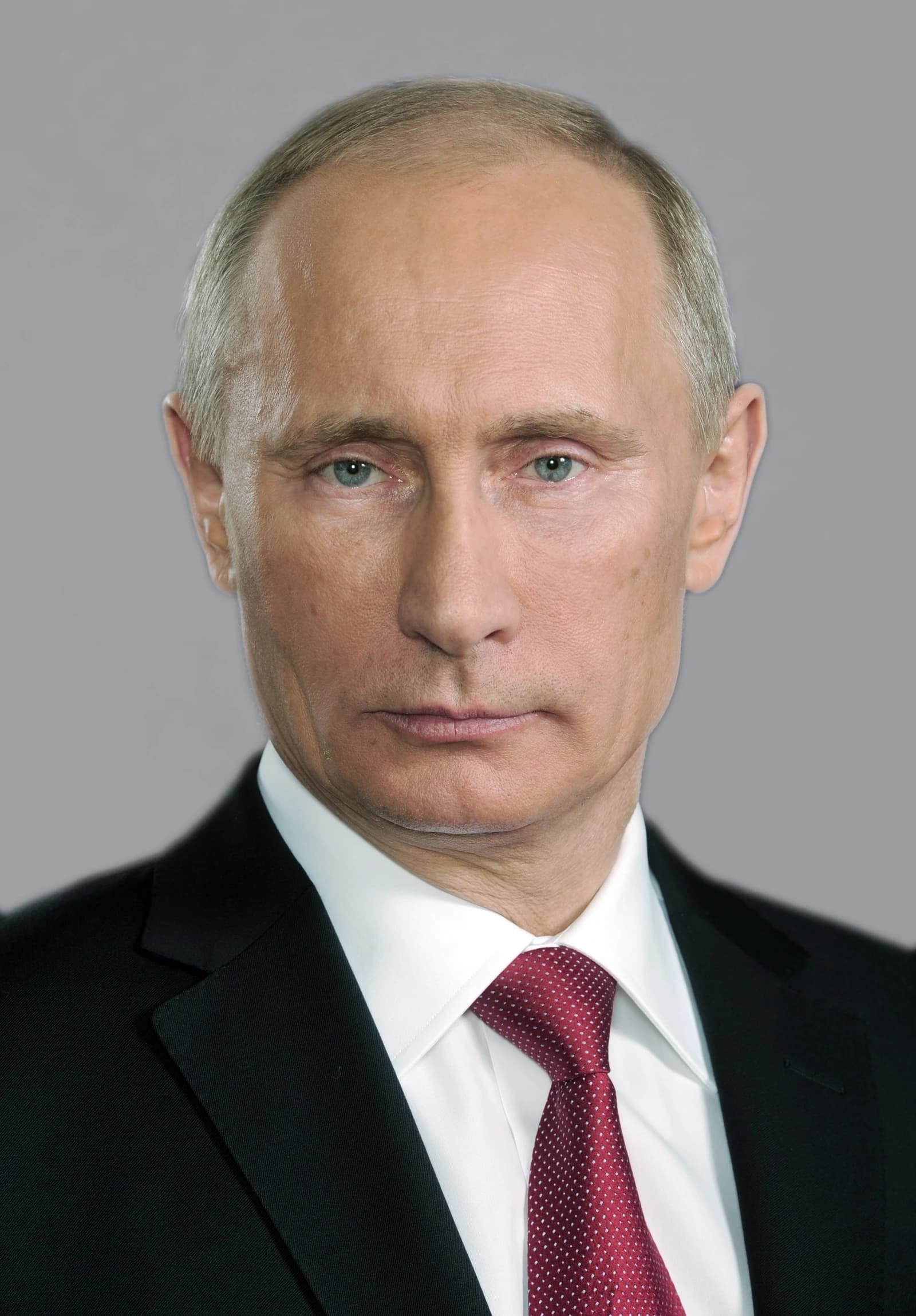
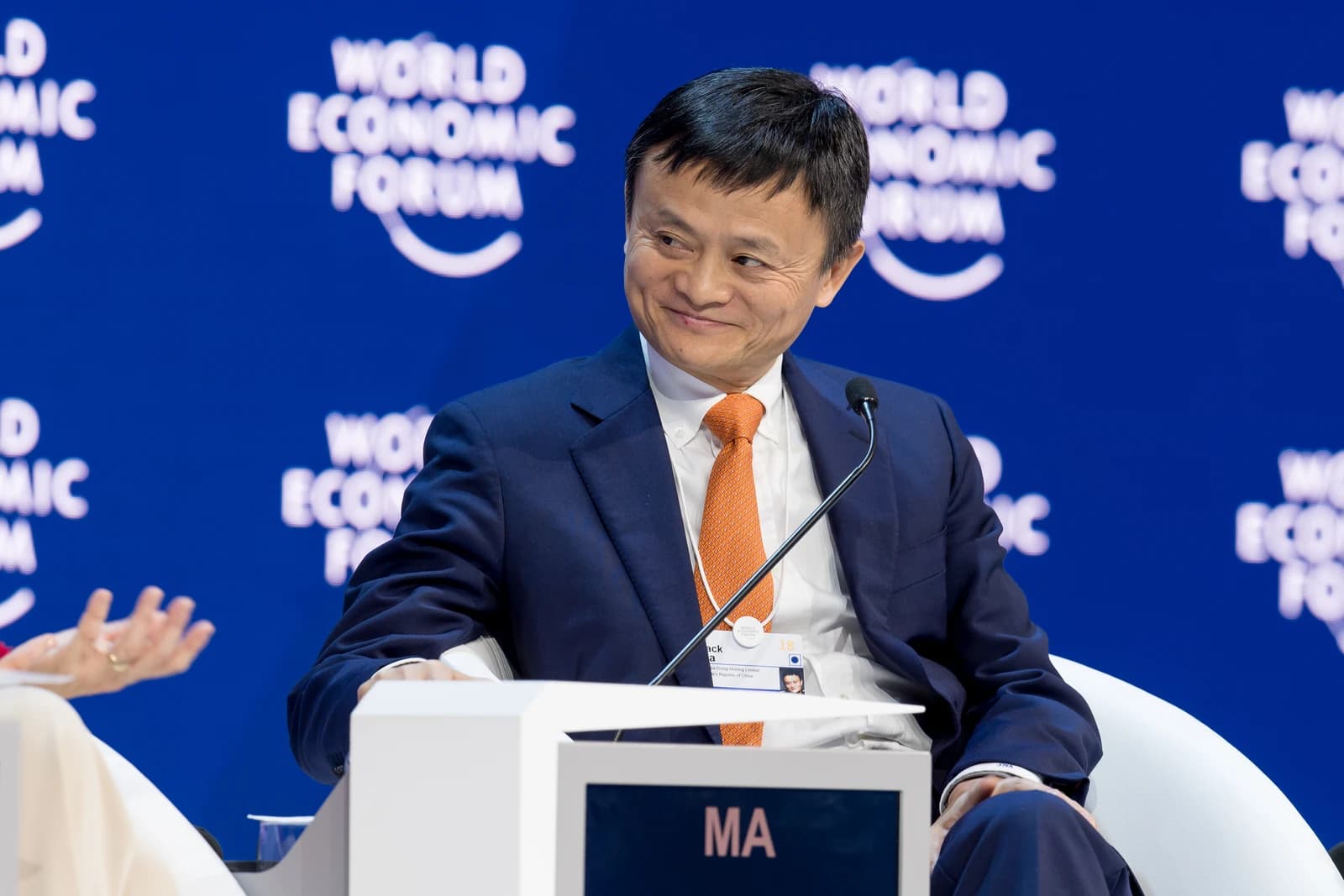
Trump’s decision to condition Saudi Arabia’s civilian nuclear agreement on normalization with Israel could reshape Middle East diplomacy in a way that matters far beyond the headlines, because the move links nuclear cooperation, regional security and the flow of energy investment into one negotiation.
Saudi-Israel Deal Links Nuclear Talks to Markets
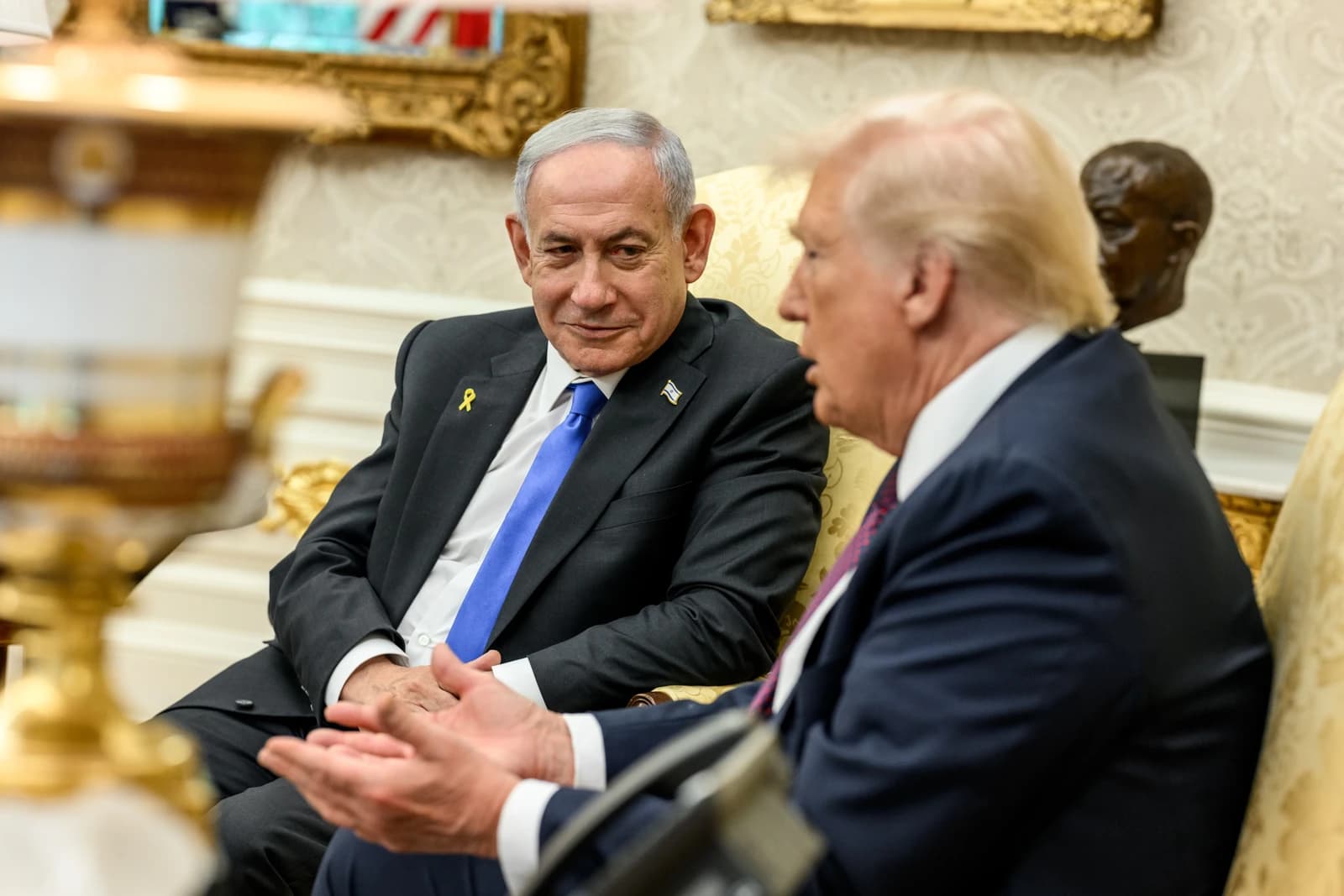
For investors, that matters because Saudi-Israel rapprochement has long been viewed as one of the clearest potential stabilizers for a region that still sets the tone for oil markets, defense spending and risk appetite across emerging markets. Netanyahu’s public welcome suggests Israel sees the conditional approach as a diplomatic gain, but it also shows how much leverage Washington is now trying to use over one of the Gulf’s most powerful states.
The market has not treated the region as a sideshow. Energy stocks, as tracked by the XLE ETF, have surged to about $60.17, well above both the 50-day moving average and the 200-day moving average, a sign that traders are still pricing in a world where Middle East tensions can support crude and keep cash flowing to producers. The fund’s RSI reading of 86.2 points to stretched short-term momentum, but the bigger takeaway for long-term investors is that geopolitical risk remains a durable tailwind for integrated oil and service names when supply chains are threatened.
At the same time, Japan’s EWJ has eased to $91.04 from recent highs, while Israel-focused EIS sits near $119.31, also off its peak. That divergence hints at a familiar market truth: when diplomacy improves, the beneficiaries are usually broad risk assets and regional commerce, while the immediate premium attached to defense, shipping disruption and energy scarcity can fade. When diplomacy stalls, those trades reverse.
Geopolitical Risk vs XLEadalytica.com
Explore this data interactively — full history, time series and cross-market comparisons.Open AlphaPulse
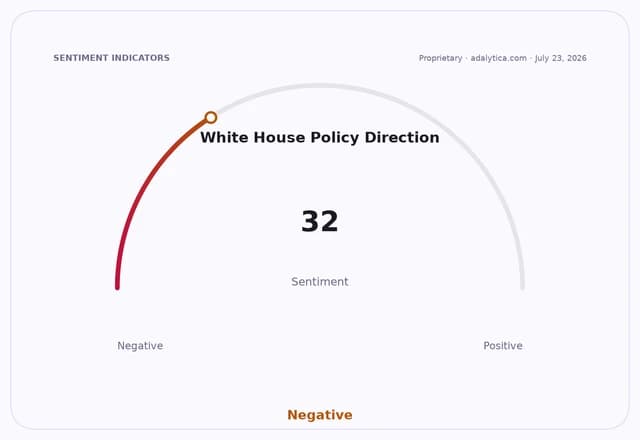
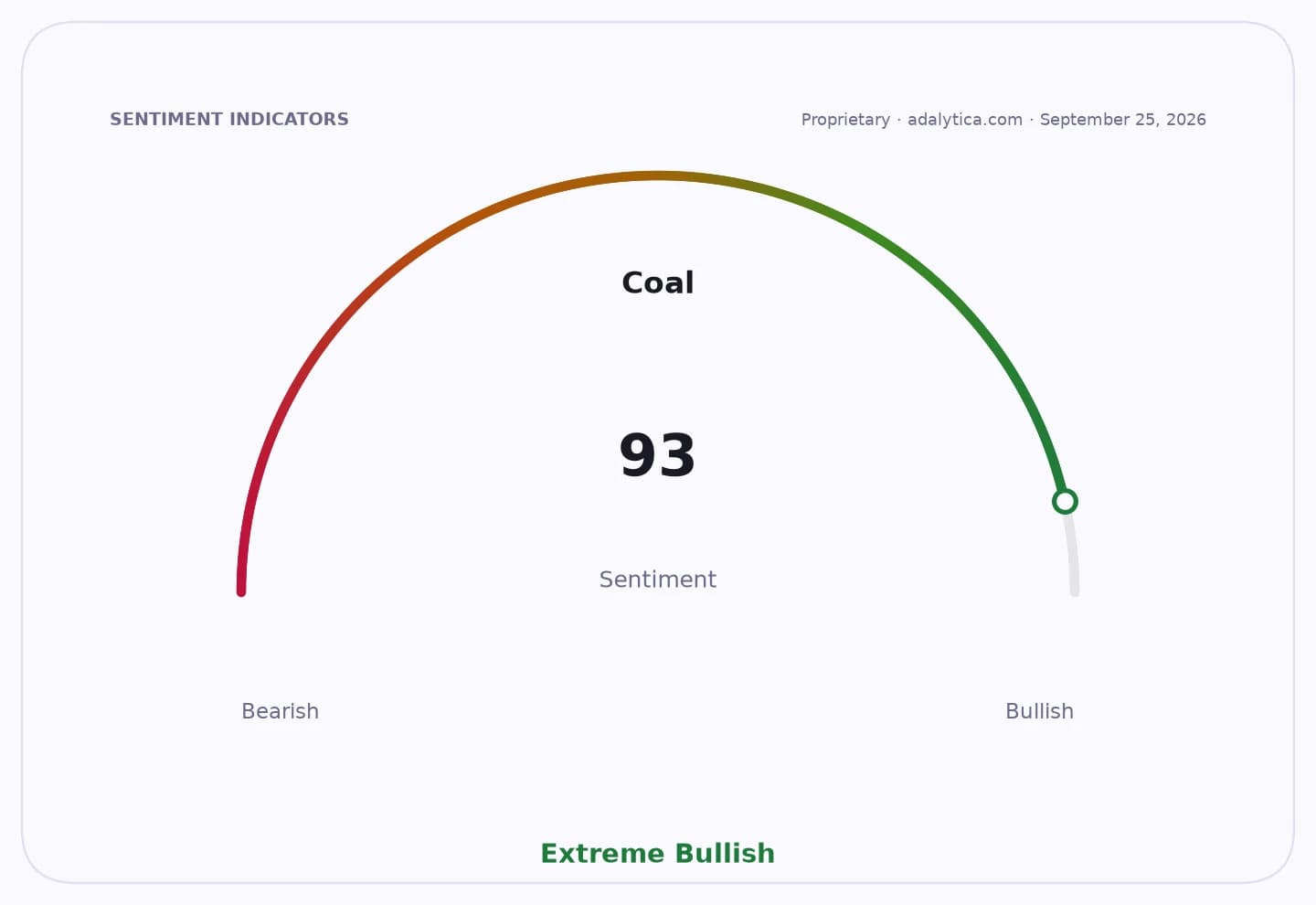
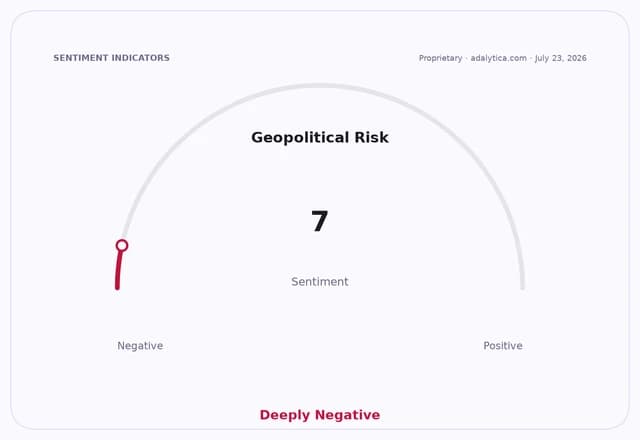
The broader context is just as important. Adalytica’s Global Stability Sentiment gauge shows “Extreme Fear,” even as awareness remains elevated, underscoring how quickly geopolitical anxiety can rise when nuclear policy and Middle East normalization are linked. That kind of backdrop tends to favor companies with pricing power, strong free cash flow and exposure to security, infrastructure and energy resilience rather than businesses dependent on frictionless trade.
For long-term investors, the lesson is not to guess the next headline but to recognize the structural forces behind it. A Saudi-Israel breakthrough would be historic if it happens, potentially opening the door to deeper regional integration and a more predictable investment climate. But the path there is likely to remain volatile, which is exactly why diversified portfolios, patience and a focus on durable businesses still matter most.
| Entity | Gains | Losses |
|---|---|---|
| Israel / Netanyahu | ▲Diplomatic leverage | ▼Nuclear uncertainty |
| Saudi Arabia | ▲Nuclear access | ▼Faster normalization pressure |
| Energy producers | ▲Geopolitical risk premium | ▼None if tensions ease |
| Broad investors | ▲Stability if deal advances | ▼Volatility if talks fail |