The Houthi attack on Saudi oil facilities is the biggest threat to energy markets in months because it turns a regional security flare-up into a direct test of global crude supply. When the biggest Saudi Aramco refinery catches fire, investors are no longer dealing with geopolitics in the abstract; they are facing the possibility of tighter fuel supplies, higher shipping risk and a renewed inflation pulse that could ripple through the world economy.
Saudi Oil Attack Raises Global Supply Risk
That matters because oil is still the market’s most important swing factor for growth and inflation. Brent crude pushing above $100 a barrel and U.S. oil benchmarks spiking to around $137 a barrel show how quickly traders price in supply disruptions when Middle East infrastructure comes under fire. Even after some of the immediate fear eased, crude remained far above levels seen earlier in the year, a reminder that energy markets still react first to barrels at risk and only later to actual lost production.
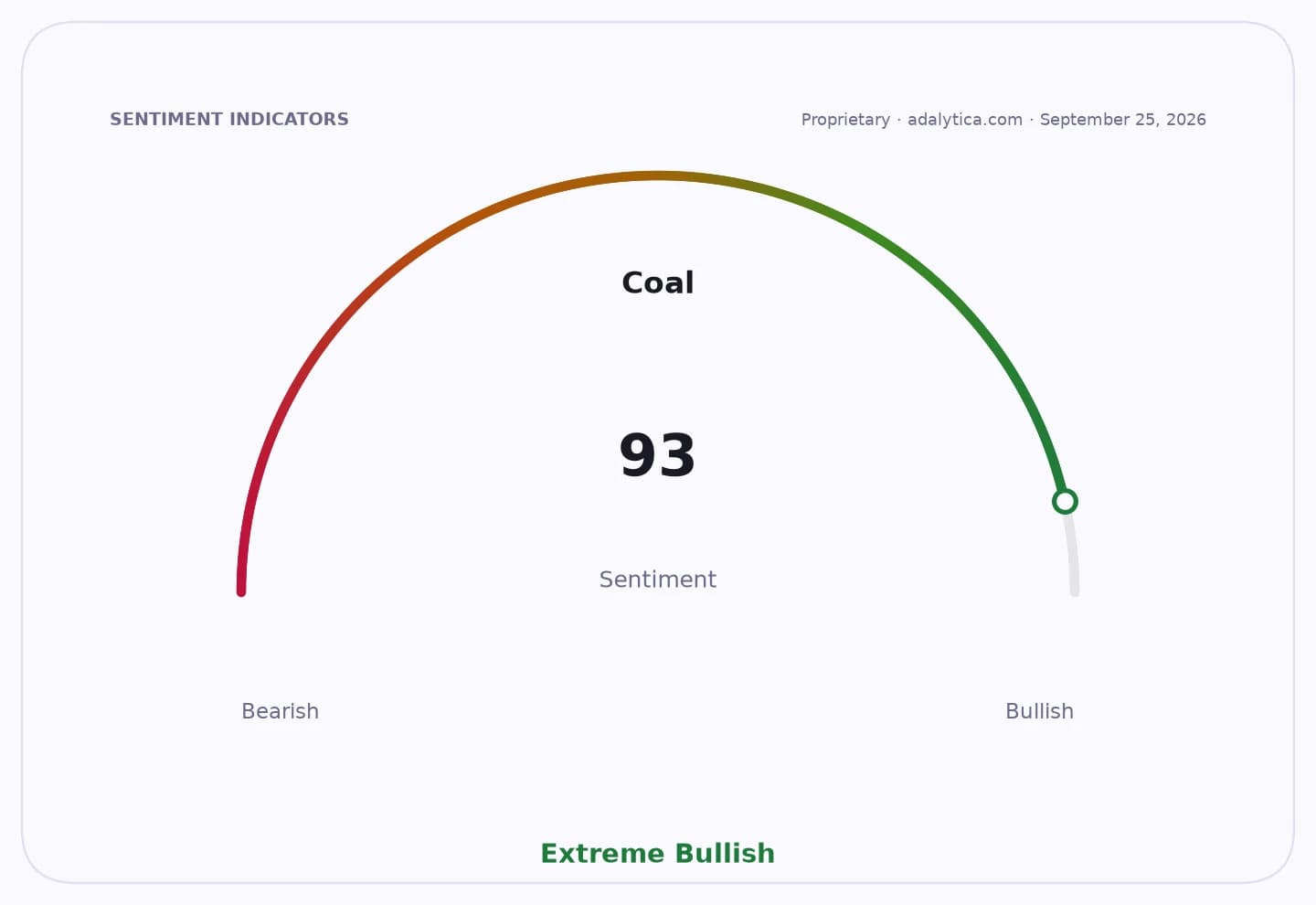
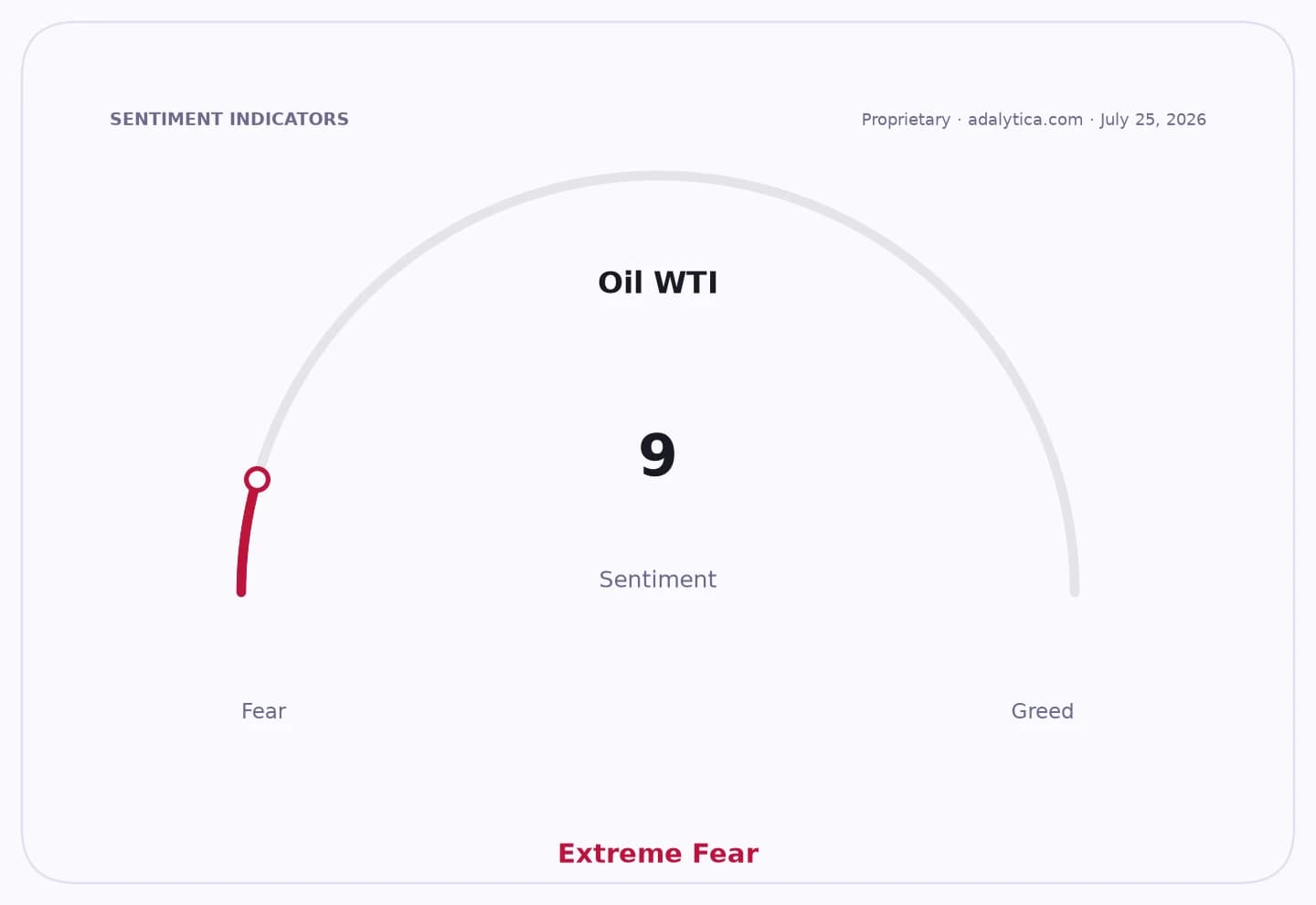
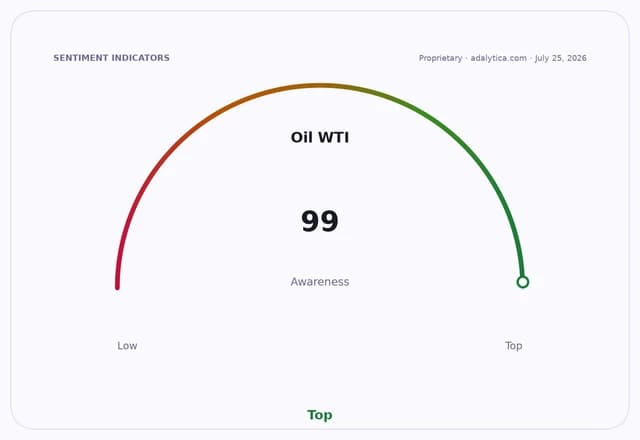
Sentiment IndicatorsⓘProprietary · adalytica.com · July 25, 2026
This is a snapshot — live sentiment, awareness and momentum for 130+ markets update continuously in the dashboard.Open AlphaPulse
For Saudi Arabia, the attack is a challenge to the kingdom’s role as the world’s central oil stabilizer. Aramco is not just a company; it is the linchpin of global spare capacity and a key backstop for refiners from Asia to Europe. A fire at a major refinery raises questions about output, export schedules and the resilience of processing capacity, even if the physical damage proves limited. That uncertainty alone can move prices, because oil traders tend to pay up for the possibility of a broader supply shock before they see one.
Investors should also watch the knock-on effects across equities, bonds and currencies. Higher crude can lift integrated producers and oil-service names, but it can squeeze airlines, chemical makers, transport companies and consumer-facing businesses that cannot pass costs through quickly. It can also complicate the policy outlook for central banks already balancing cooling growth against sticky inflation. The recent jump in the 10-year U.S. Treasury yield to the mid-4% range underscores how sensitive markets remain to any fresh inflation shock.
The broader narrative is clear: the Middle East remains a live risk premium in energy, and the market is paying attention again. Adalytica’s oil trade signals show extreme fear even as awareness of the event surged, a combination that usually means traders expect more volatility, not less. For long-term investors, the lesson is not to chase the headline, but to respect how quickly geopolitics can reprice the entire energy complex and reward companies with real balance-sheet strength and durable cash flow.
If you own energy, this is a reminder to favor diversified, high-quality businesses over speculation. If you don’t, it is a good time to keep energy exposure on your watchlist, because shocks like this tend to reinforce the value of owning assets that benefit from scarcity and inflation. Patience, not panic, is what wins over years.
| Entity | Gains | Losses |
|---|---|---|
| Oil producers | ▲Higher realized prices | ▼Input-cost pressure |
| Saudi Aramco | ▲Pricing power if outages persist | ▼Refinery disruption |
| Refiners and airlines | ▲— | ▼Higher fuel bills |
| Crude bulls | ▲Momentum and hedging demand | ▼— |