Saudi Arabia’s return of the Saudi Aramco Formula 4 Championship is more than a sporting calendar note: it is another sign the kingdom is using high-profile events to widen its tourism economy, build domestic leisure demand and draw spending into hotels, transport and hospitality.
Saudi tourism push gains from motorsport events
That matters because Riyadh’s broader tourism strategy is no longer focused only on pilgrimage traffic. The extension of Umrah visa validity to one year, along with new training, education and partnership initiatives, points to a policy push to keep visitors in the country longer and spend more widely. Motorsport fits that model. A racing series backed by Aramco helps feed destination marketing, creates repeatable event inventory and gives the kingdom another platform to showcase venues, infrastructure and a more diversified consumer economy.
For investors, the significance is twofold. First, Saudi Arabia’s tourism build-out is becoming more granular and more commercial, with events like Formula 4 complementing religious travel, medical tourism and leisure campaigns. That broadens the addressable market for operators in hospitality, aviation, entertainment and local services. Second, the state’s ability to keep deploying marquee events supports the narrative that non-oil growth can keep outpacing the wider region, even as parts of the Middle East tourism market remain uneven.
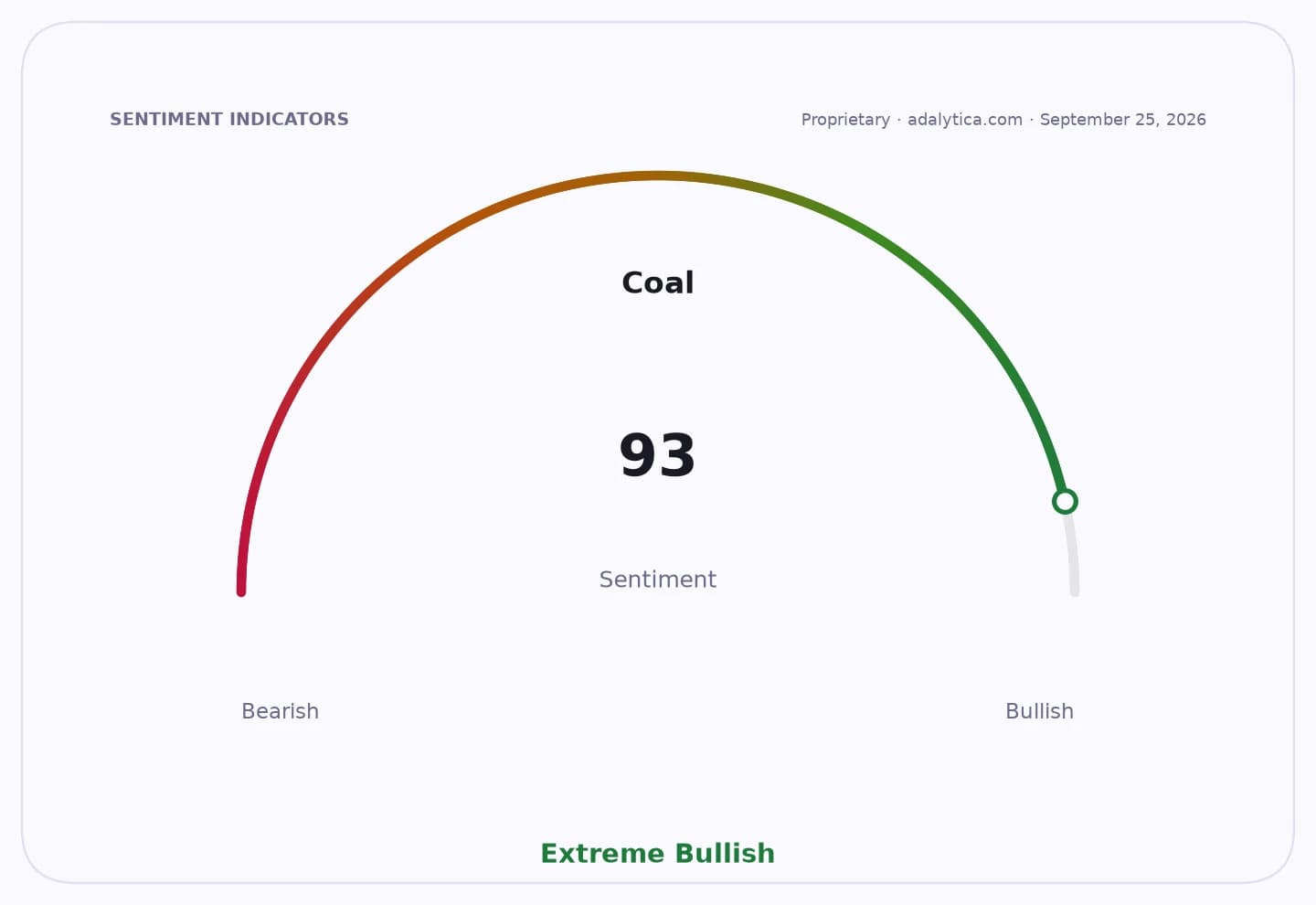
The macro backdrop is favorable. Adalytica’s Global Stability Sentiment gauge is in “Extreme Fear,” underscoring how fragile global risk appetite remains, while the S&P 500 trade-signal snapshot shows only neutral positioning. In that setting, Saudi Arabia’s emphasis on domestic demand and controlled event-led tourism offers a comparatively resilient growth story. The kingdom is trying to convert brand-building into cash flow, not just publicity.
There are still limits to the bull case. Sporting events can lift short-term occupancy and spending, but they do not by themselves guarantee sustained inbound demand or private-sector returns. The bear case is that the tourism strategy remains state-led and capex-heavy, with profitability dependent on whether recurring events translate into higher visitor numbers, longer stays and stronger ancillary spending.
Even so, the return of the Formula 4 championship suggests Saudi Arabia is continuing to stitch together a wider tourism ecosystem around events, religious travel and new consumer experiences. If that strategy keeps gaining scale, it will matter not just for the kingdom’s growth mix, but for investors looking for where the next leg of Gulf non-oil expansion is likely to be monetized.
| Entity | Gains | Losses |
|---|---|---|
| Saudi tourism operators | ▲More visitor demand | ▼Capacity pressure if demand lags |
| Hotels and airlines | ▲Higher occupancy and load factors | ▼Yield risk if events are one-off |
| Local retailers and restaurants | ▲Event-driven spending | ▼Limited benefit outside key dates |
| Competing regional destinations | ▲Fewer incremental tourists | ▼Share loss to Saudi Arabia |