Pakistan is pushing for deeper Shanghai Cooperation Organization connectivity and warning against confrontational geopolitics at a moment when regional security risks are intensifying and investors are pricing in more instability across Asia. The message from Islamabad adds to a broader SCO drive to keep trade, transport and energy links open even as members clash over U.S. pressure, Afghanistan and other flashpoints.
SCO Connectivity Push Meets Geopolitical Risk
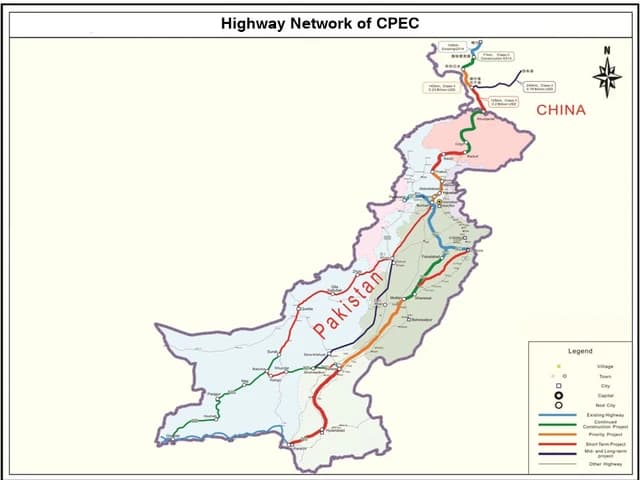
The economic significance is straightforward: the SCO is being framed not just as a security forum but as a platform for moving goods, capital and infrastructure across a bloc that spans China, Central Asia, Russia, Pakistan, India and Iran. For Pakistan, stronger connectivity could mean better access to transit routes, investment and cross-border commerce, while a more hostile geopolitical backdrop raises the cost of trade disruption, insurance and capital formation across the region.

The foreign ministers’ meeting in Kyrgyzstan showed how tightly economics and security are now intertwined. China called on the bloc to tackle “regional hotspot” issues through collective security, while Iran urged the SCO to resist unilateral actions and Pakistan’s Deputy Prime Minister Ishaq Dar pressed the Afghan Taliban to be held accountable for terrorism. The common thread was an effort to keep the organization focused on coordination rather than confrontation.
For investors, the stakes run through everything from emerging-market sentiment to transport, logistics and China-linked assets. The iShares MSCI China ETF, FXI, has been volatile around the high-$30s and was last at $34.58, below its 200-day moving average of $37.04, with RSI readings around 74.6, suggesting the fund has rebounded sharply but remains technically stretched. India’s INDA closed at $48.02, also under its 200-day average of $51.08, while Malaysia’s EWM ended at $27.63, just above its 200-day average, underscoring how uneven investor positioning remains across Asia.
Geopolitical Risk vs FXIadalytica.com
Explore this data interactively — full history, time series and cross-market comparisons.Open AlphaPulse
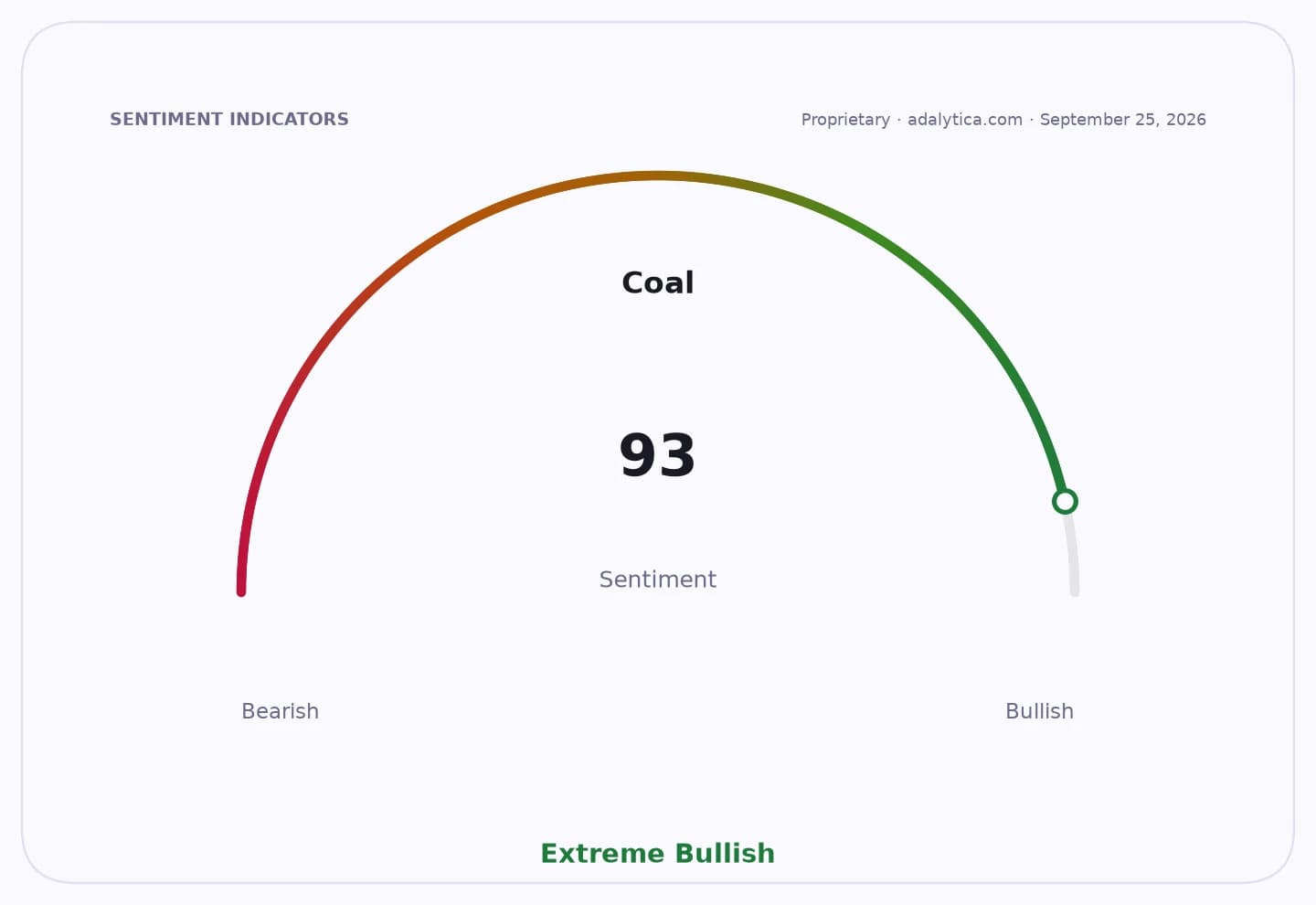
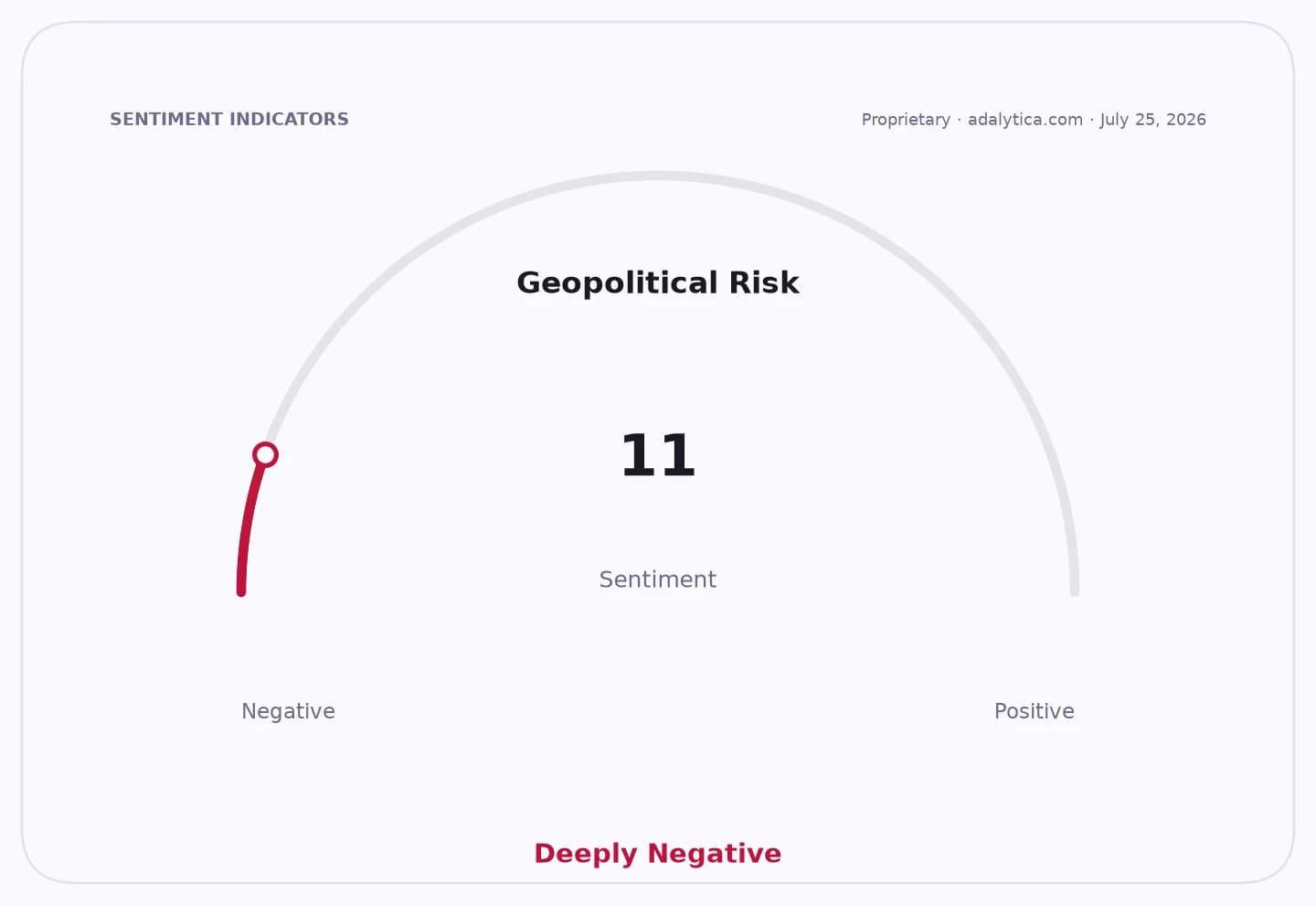
Broader market gauges point to the same tension. Adalytica’s Global Stability Sentiment stands at 11, labeled “Extreme Fear,” even as awareness is at 89, signaling that geopolitical risk is dominating the regional narrative. That kind of backdrop tends to favor defensive positioning and selective exposure to logistics, defense and supply-chain beneficiaries, while weighing on trade-sensitive and border-exposed assets.
The next catalyst is whether the SCO can turn the rhetoric on connectivity into concrete movement on corridors, customs, energy and security coordination. If it cannot, the region’s trade ambitions will keep running into the same geopolitical headwinds that are now rattling investor confidence.
| Entity | Gains | Losses |
|---|---|---|
| Pakistan | ▲Transit ambitions | ▼Security exposure |
| SCO bloc | ▲Regional coordination | ▼Friction from disputes |
| China-linked trade assets | ▲Connectivity upside | ▼Geopolitical discount |
| Traders in FXI/INDA/EWM | ▲Volatility opportunities | ▼Policy uncertainty |