Scotland’s First Minister John Swinney is under pressure after opponents accused him of an incoherent stance on North Sea oil and gas, turning energy policy into a fresh political fault line that matters for investment, jobs and the pace of the country’s transition.
Scotland debates North Sea oil and gas policy

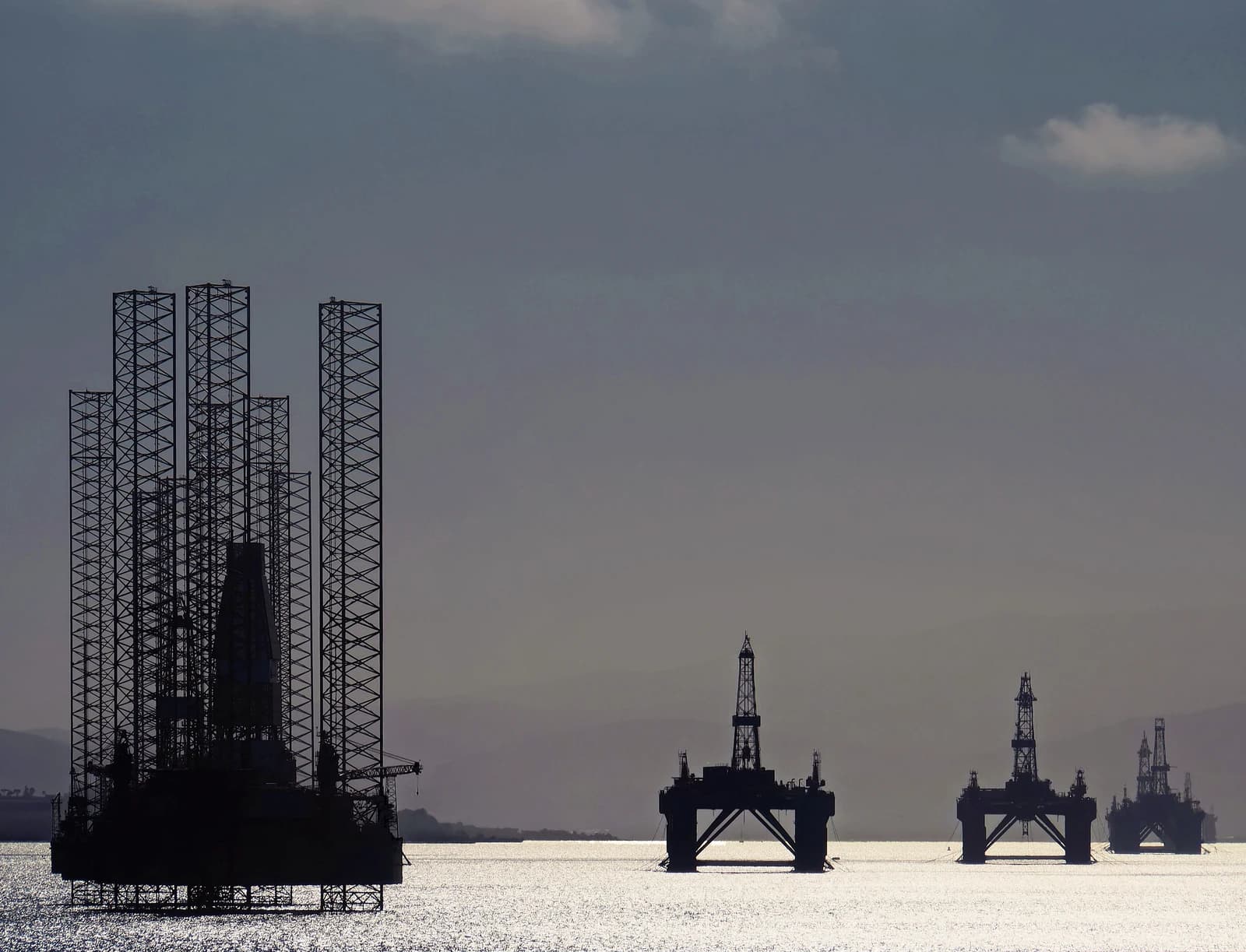
The row is economically significant because it goes to the heart of how Scotland balances energy security against its climate targets at a time when North Sea output is ageing and global crude prices remain near $92 a barrel. Campaigners say new licensing would do little for household bills or the sector’s long-term outlook, while industry supporters argue that restricting exploration risks accelerating decline in a basin that has already seen industry-backed jobs more than halve over the past decade.
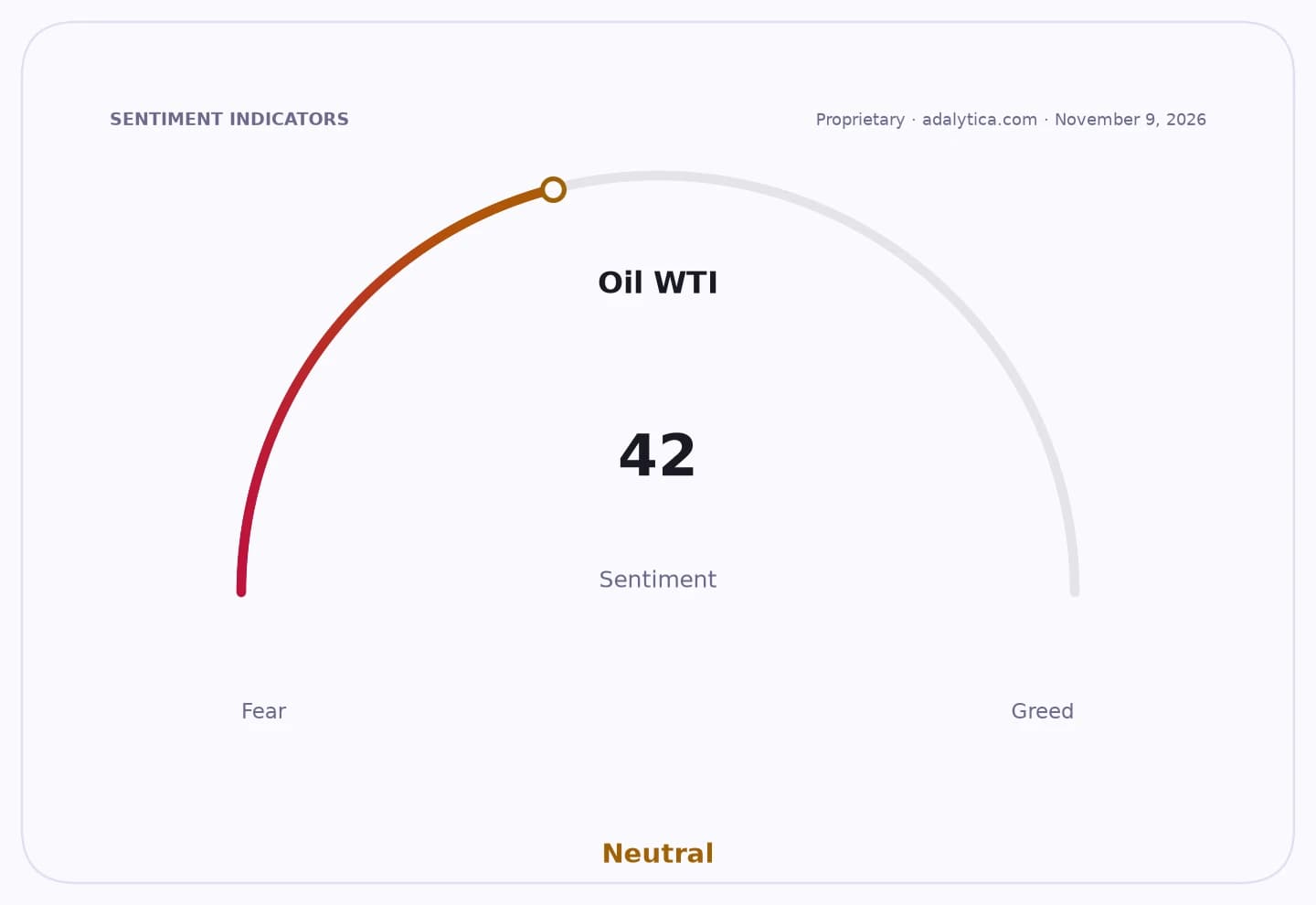
Sentiment Indicators
Oil WTI
Swinney told lawmakers he opposed UK government attempts to ban all new North Sea exploration, a stance that drew accusations of a U-turn from critics who say the SNP previously backed a presumption against new oil and gas. The dispute has now split the Scottish political field, with the Greens attacking the policy as backing “multinational billionaire oil and gas giants,” while Conservatives and Reform UK framed a ban as self-harm for workers and energy supply.
For investors, the immediate impact is less about crude prices and more about policy visibility. North Sea operators and oilfield service companies need clarity on licensing, tax, permitting and the expected pace of basin decline to plan capital spending, while renewables developers are watching whether Holyrood shifts more decisively toward public investment in low-carbon infrastructure, heat pumps and grid upgrades.
Oil WTI
The debate comes against a backdrop of falling confidence in oil-linked assets. Brent futures have slipped to around $92.43, down from more than $107 a week earlier, while the energy sector ETF XLE has fallen to $63.37 from $70.02 on Oct. 30. Adalytica’s Oil WTI Trade Signals snapshot still shows neutral sentiment, but awareness around the market has jumped, suggesting traders are focused on policy and supply headlines as much as the price itself.
The political fight is unlikely to end quickly, and the next catalyst is whether the Scottish Government turns Swinney’s remarks into a clearer position on future North Sea licensing. Any shift could ripple through upstream investment plans, North East Scotland employment and the broader debate over how fast Scotland can replace fossil fuels with domestic renewables.
| Entity | Gains | Losses |
|---|---|---|
| Scottish Government | ▲Flexibility on energy policy | ▼Credibility on consistency |
| North Sea oil producers | ▲Possible licensing support | ▼Policy uncertainty |
| Scottish Greens / campaigners | ▲Stronger climate message | ▼Less influence on near-term policy |
| Oilfield workers / service firms | ▲Potential drilling work | ▼Long-term decline risk |