Cybersecurity and systems resilience are becoming as important to securities firms as trading performance, and the pressure is rising as rates stay elevated and client demand shifts further online.
Securities Firms Must Prioritize Cyber Resilience

That is the central message behind the Nikkei Online Seminar on strategies for digital management transformation and infrastructure renewal in the securities industry. The sector is being forced to spend not just on customer-facing digital tools, but on the back-end architecture that keeps trading, custody, payments and reporting operating under heavier cyber and operational risk.
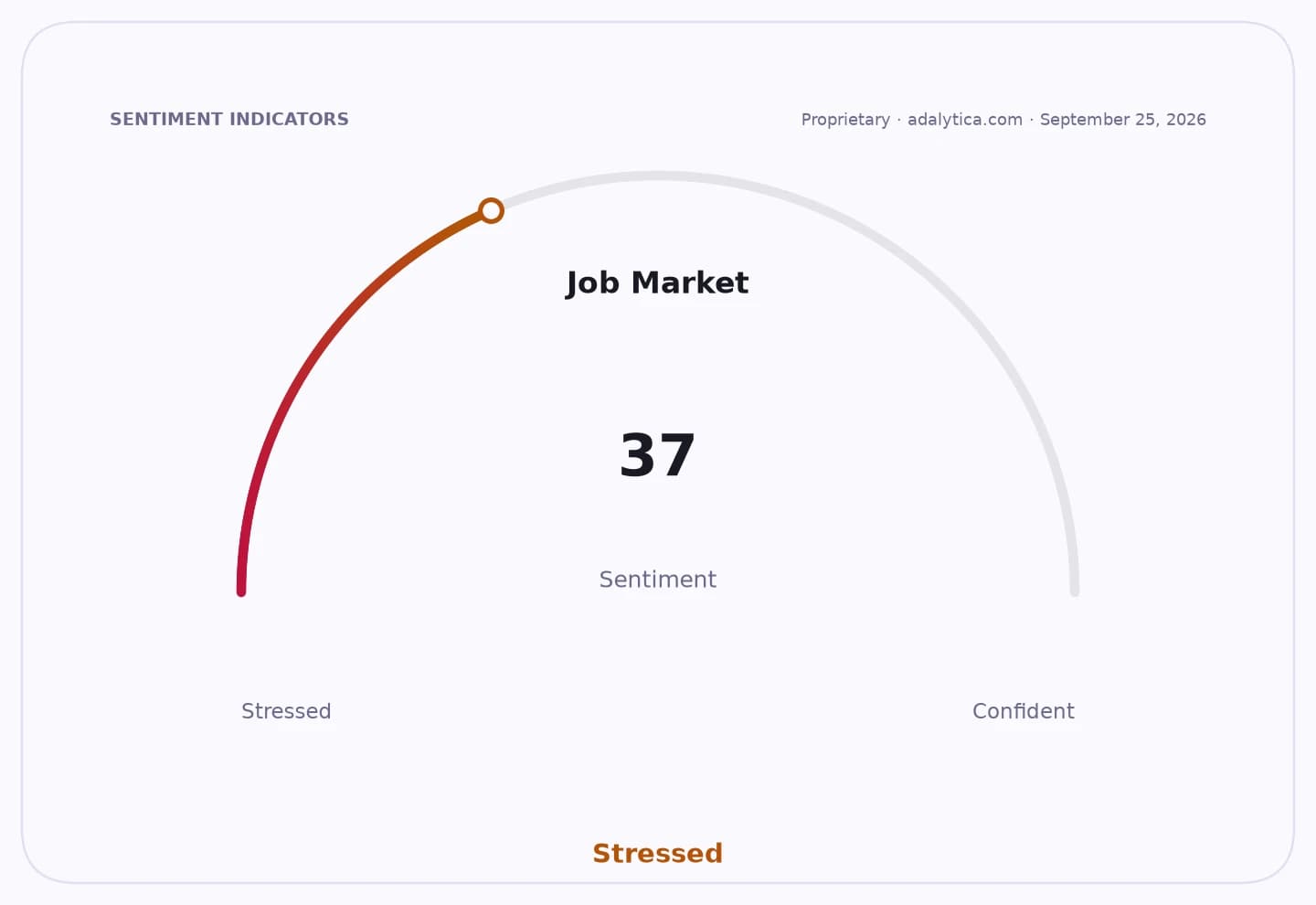
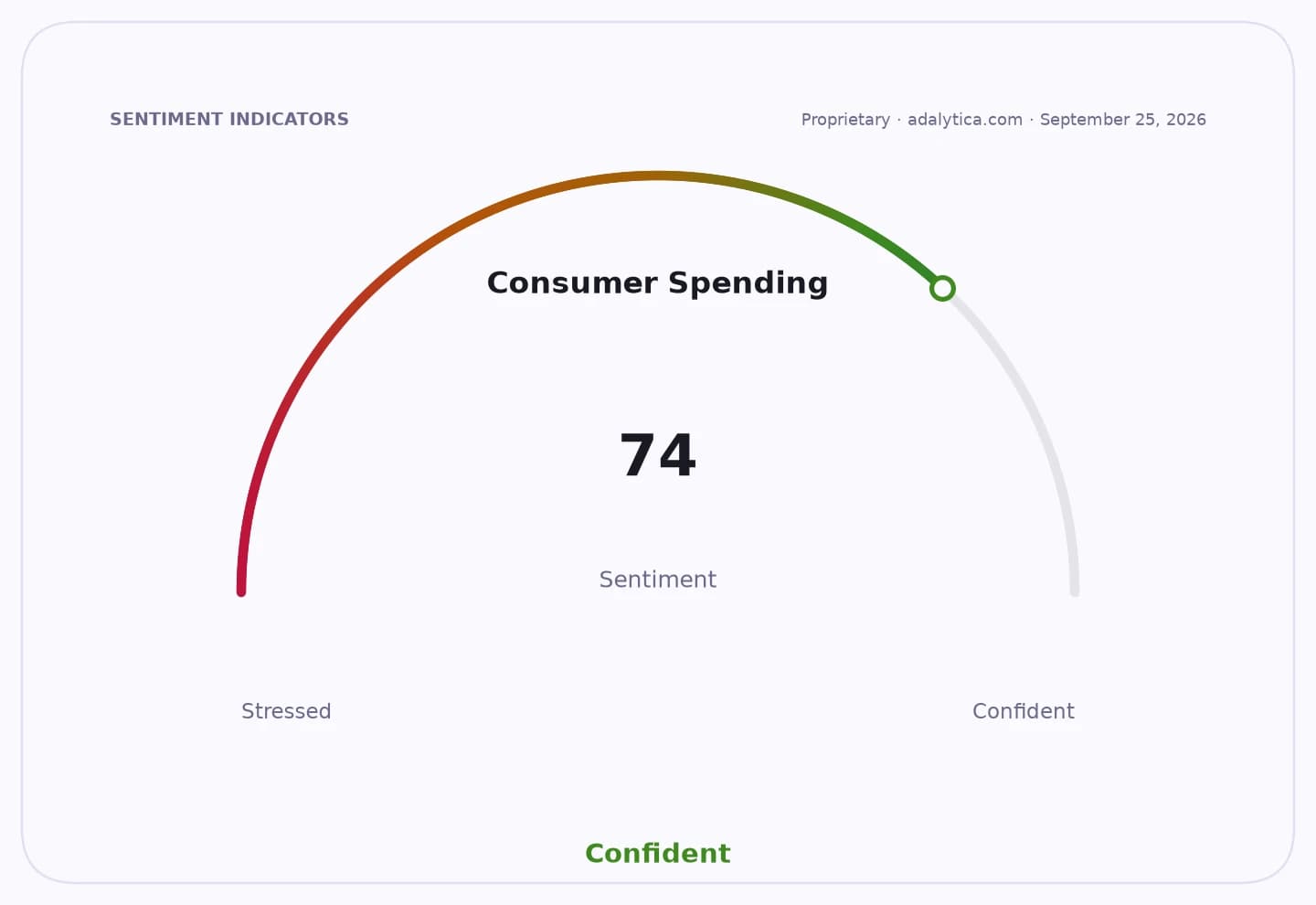
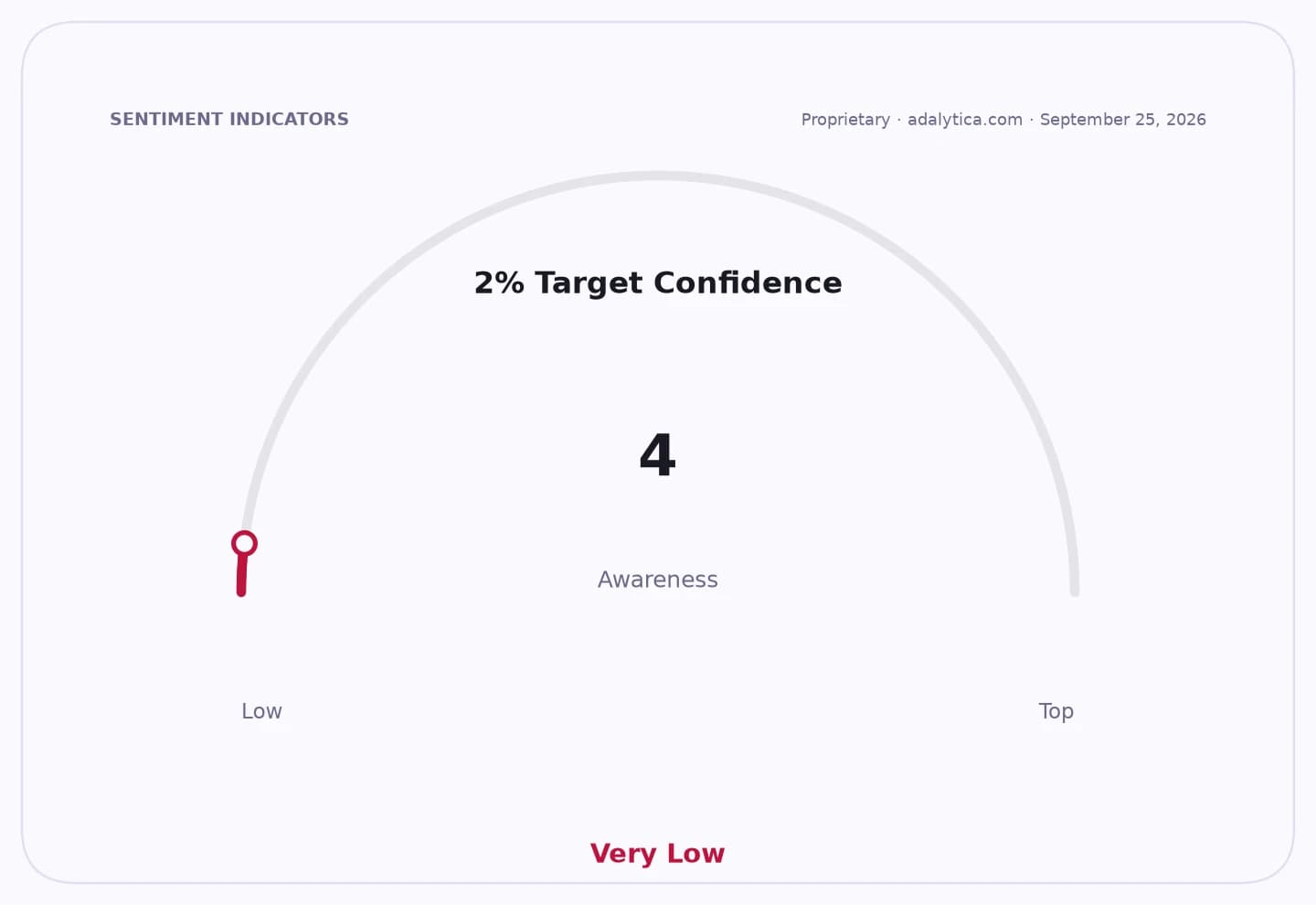
Sentiment IndicatorsⓘProprietary · adalytica.com · July 20, 2026
This is a snapshot — live sentiment, awareness and momentum for 130+ markets update continuously in the dashboard.Open AlphaPulse
The macro backdrop matters. The federal funds rate is still around 3.63%, while the 10-year Treasury yield is near 4.56% and the two-year around 4.12%, leaving funding costs well above the ultra-low-rate era that powered easy balance-sheet expansion. In that environment, securities firms cannot rely on cheap money to paper over legacy technology problems. They need systems that are more automated, more secure and less dependent on manual intervention.
That is why infrastructure renewal is moving from a compliance project to a strategic necessity. Recent cyber incidents and concerns around digital payment vulnerabilities have reinforced a simple point: as securities activity becomes more digital, operational failures become market risks. For exchanges, brokerages and clearing-related businesses, a single outage or breach can damage client trust, trigger regulatory scrutiny and create direct revenue losses.
Investors are already rewarding firms that can show operating leverage and modern platform economics. Morgan Stanley’s shares have risen to $215.50 from under $150 in October, while Goldman Sachs is trading around $1,065 after a sharp run earlier this year. Both remain well above their 200-day moving averages, a sign that the market still values capital markets franchises that can pair scale with technology-driven efficiency. Charles Schwab has also recovered to $101.56, above its 200-day moving average, as investors look for better operating discipline in wealth and brokerage platforms.
But the bull case has limits. The same technology upgrades that promise lower servicing costs and better client retention also require sustained capital spending, stronger governance and specialist talent that is in short supply. That can pressure near-term margins, especially if transaction activity cools or if higher yields keep client cash balances and funding costs in flux. The bear case is that firms spend heavily without fully eliminating legacy complexity, leaving them with higher costs and only modest resilience gains.
The broader industry implication is that digital transformation in securities is no longer mainly about front-end apps, but about resilience: encryption, incident response, data architecture, disaster recovery and automation across core market plumbing. Firms that delay the rebuild risk being left with higher downtime risk and weaker compliance posture just as regulators and clients expect faster, safer digital execution.
For investors, the key question is which firms can turn renewal spending into durable returns through lower processing costs, fewer operational incidents and better client stickiness. Those that can should keep winning. Those that cannot may find that digital transformation becomes a drag before it becomes a payoff.
| Entity | Gains | Losses |
|---|---|---|
| Securities firms upgrading systems | ▲Lower risk, better efficiency | ▼Higher near-term capex |
| Clients and investors | ▲Safer digital services | ▼Transition disruptions |
| Technology vendors | ▲More spending demand | ▼Slower legacy contracts |
| Legacy operators | ▲— | ▼Higher outage and compliance risk |