Senegal’s new 2026-2029 government bond is now live on Daba Finance, giving local and regional investors a fresh way to finance one of West Africa’s more ambitious public-investment stories.
Senegal 2026-2029 government bond listed on Daba Finance
That matters because for Senegal, access to domestic and regional capital is not just about raising money for the next budget cycle. It is about building a more durable funding base as the government pushes public-finance reform, expands infrastructure spending and tries to deepen confidence in its fiscal management. A listed bond can widen the investor pool, improve price discovery and help anchor future issuance at a time when African sovereigns are increasingly looking for stable, non-bank sources of financing.
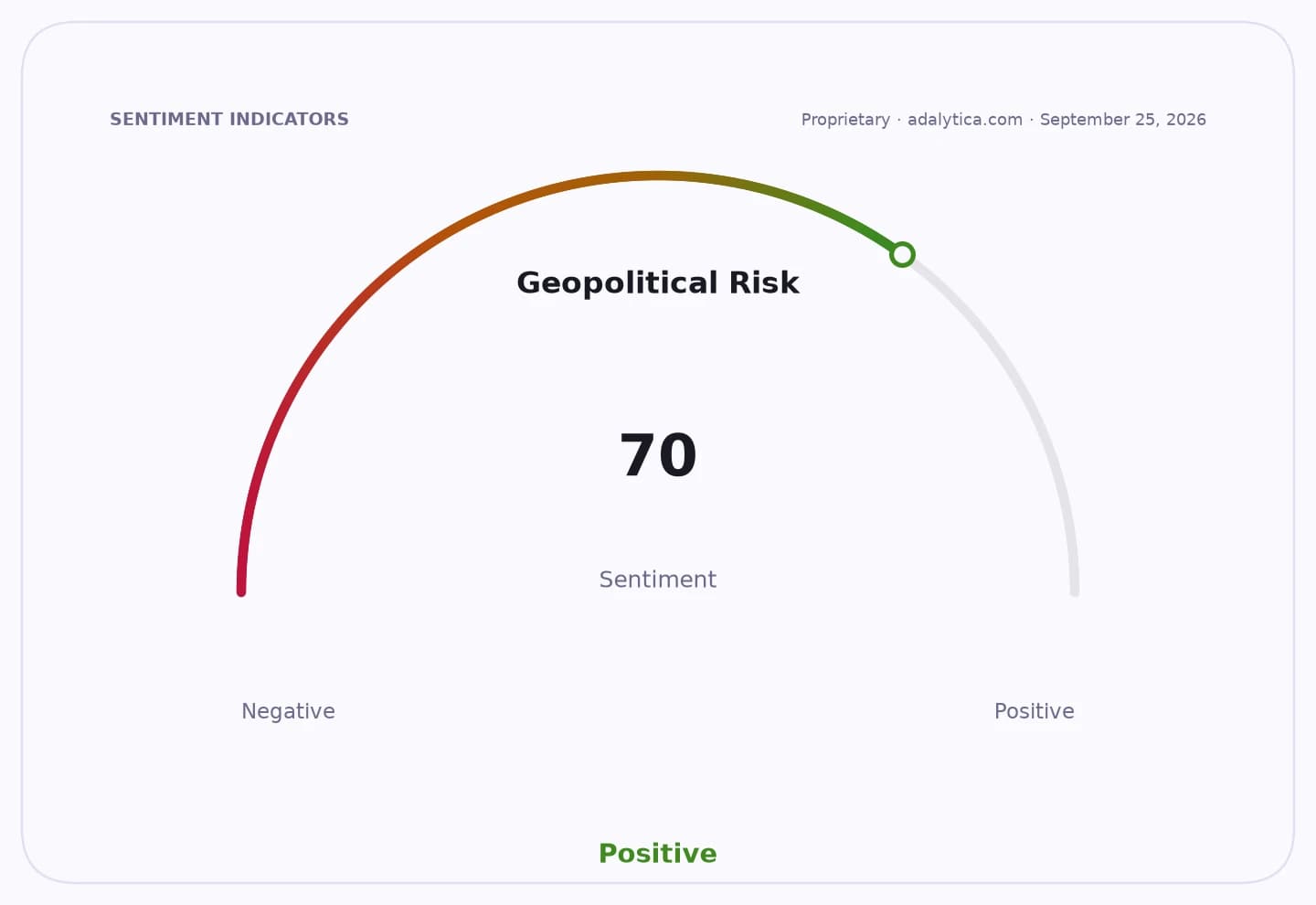
Sentiment IndicatorsⓘProprietary · adalytica.com · August 8, 2026
This is a snapshot — live sentiment, awareness and momentum for 130+ markets update continuously in the dashboard.Open AlphaPulse
The timing is notable. U.S. Treasury yields remain elevated, with the 10-year note around 4.69% and the 2-year near 4.25%, while the federal funds rate is holding around 3.63%. In other words, global borrowing costs are still relatively high, and dollar strength remains a live market theme. For frontier-market issuers, that makes local distribution and regional platforms even more important, because they can reduce dependence on offshore capital and create a more predictable funding channel.
Senegal is also trying to do more than simply borrow its way through growth. The African Development Bank recently approved a $35 million package to support public-finance management reforms, while the World Bank has backed a broader $340 billion FCFA initiative across agriculture, transport and social development. The message to investors is that the sovereign is pairing market financing with institutional reform, which can matter as much as coupon levels over the long run.
For bond investors, the appeal is straightforward: sovereign paper can offer diversification, yield and direct exposure to a country whose policy direction is becoming more reform-minded. The risk, of course, is that execution matters. If fiscal governance improves and revenue collection widens — including efforts to formalize sectors such as gold mining — Senegal could gradually strengthen its credit profile. If not, investors will demand a higher premium.
For long-term investors, the bigger takeaway is that this is how emerging-market capital markets mature: one listed bond at a time, with transparency and access slowly improving. Senegal’s new listing is worth watching for anyone looking for yield, diversification and the next wave of African sovereign market development.
| Entity | Gains | Losses |
|---|---|---|
| Senegal government | ▲Broader funding access | ▼Higher scrutiny on fiscal execution |
| Local/regional investors | ▲New yield opportunity | ▼Credit and refinancing risk |
| Daba Finance | ▲More fixed-income activity | ▼Pressure to maintain market confidence |
| Offshore dollar lenders | ▲Less reliance on them | ▼Smaller share of sovereign funding |