South Korea is preparing to ease foreign-exchange rules that have long limited foreigners’ ability to trade the won, a move that could make the currency more usable in global portfolios and reduce one of the structural frictions that has kept Seoul’s FX market smaller than its economic weight.
Seoul Moves to Open Won Trading
The policy shift matters because Korea remains one of Asia’s biggest export economies and a key destination for global capital, yet foreign participation in its currency market has been constrained by settlement and trading restrictions. Opening access to the won would be a step toward making the currency more liquid, improving price discovery and, over time, supporting Seoul’s goal of eventually elevating the won’s role in international finance.
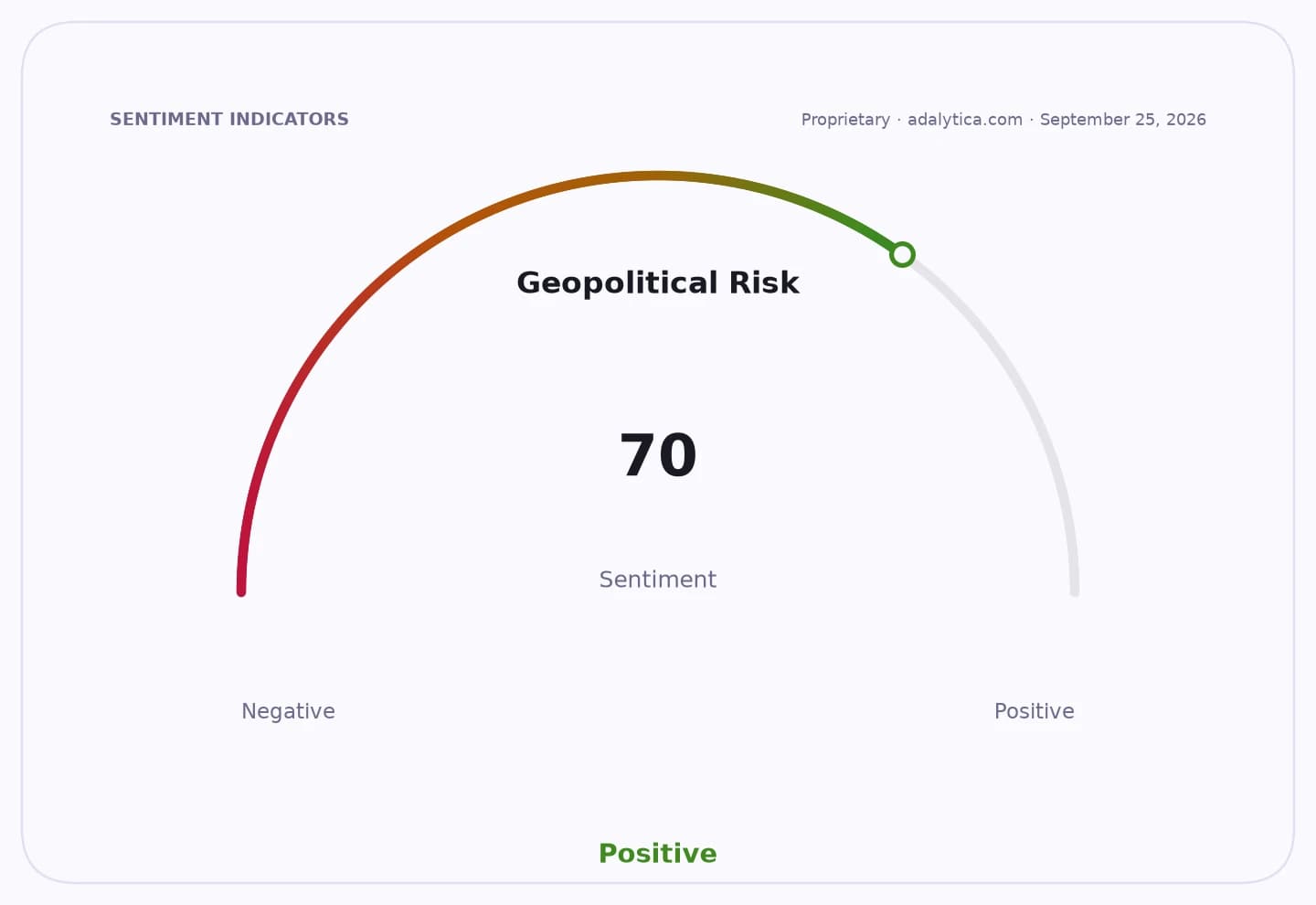
Sentiment IndicatorsⓘProprietary · adalytica.com · July 19, 2026
This is a snapshot — live sentiment, awareness and momentum for 130+ markets update continuously in the dashboard.Open AlphaPulse
For investors, the immediate significance is less about a near-term currency rally than about market plumbing. A more accessible won market can narrow execution costs, improve hedging for global asset managers and corporates, and make Korean assets more investable at the margin. It could also help attract more foreign capital into equities and bonds by reducing the operational burden of managing currency exposure.
The won has already shown bouts of sensitivity to global risk appetite and dollar moves, and the backdrop remains unsettled. Adalytica’s U.S. dollar trade-signal snapshot is neutral, while its FX volatility gauge shows “Extreme Fear,” underscoring how fragile liquidity conditions can be when markets are shifting and investors are reluctant to carry open currency risk. Against that backdrop, any reform that deepens the won market is economically meaningful because it can improve resilience in stress periods.
The move also fits a broader Korean policy objective: modernising financial markets without sacrificing stability. Seoul has been trying to make its capital markets more attractive to foreign investors, while still retaining safeguards against disruptive flows. That balance will matter. If rules are eased too slowly, the reform may do little to change market structure; if they are loosened too quickly, policymakers could face concerns about volatility and speculative activity.
The clearest winners would be global investors, banks and multinational firms that hedge Korean exposure, along with domestic market participants that benefit from greater liquidity and tighter spreads. The main losers are the legacy constraints that have kept the won less accessible than peers such as the yen or Australian dollar. For Korea, the test will be whether liberalisation translates into durable foreign participation rather than a one-off boost in attention.
If implemented effectively, the reform could mark another step in Seoul’s effort to turn the won into a more internationally traded currency. Investors will watch the pace of rule changes, the scope of access for offshore participants and whether deeper liquidity begins to show up in turnover, hedging activity and, ultimately, foreign holdings of Korean assets.
| Entity | Gains | Losses |
|---|---|---|
| Foreign investors | ▲Easier won trading | ▼FX access barriers |
| Korean policymakers | ▲Deeper market liquidity | ▼Tight control over flows |
| Global banks/brokers | ▲More trading volume | ▼Frictional settlement limits |
| Domestic hedgers | ▲Cheaper currency hedging | ▼Monopoly-like market structure |