For some Seoul households, renting an apartment is becoming the more sensible financial choice as monthly rents ease while borrowing costs remain stubbornly high.
Seoul rents ease as 1 million won Gangnam level slips
That matters because housing decisions in South Korea are no longer being driven by the old assumption that buying always wins over time. With the 10-year U.S. Treasury yield hovering around 4.6% — a reminder that global funding costs have stayed elevated — and Seoul rental prices softening, the monthly math is shifting in favor of tenants, at least for now. That can relieve pressure on households, but it also changes the earnings outlook for landlords, apartment owners and housing-related investors.
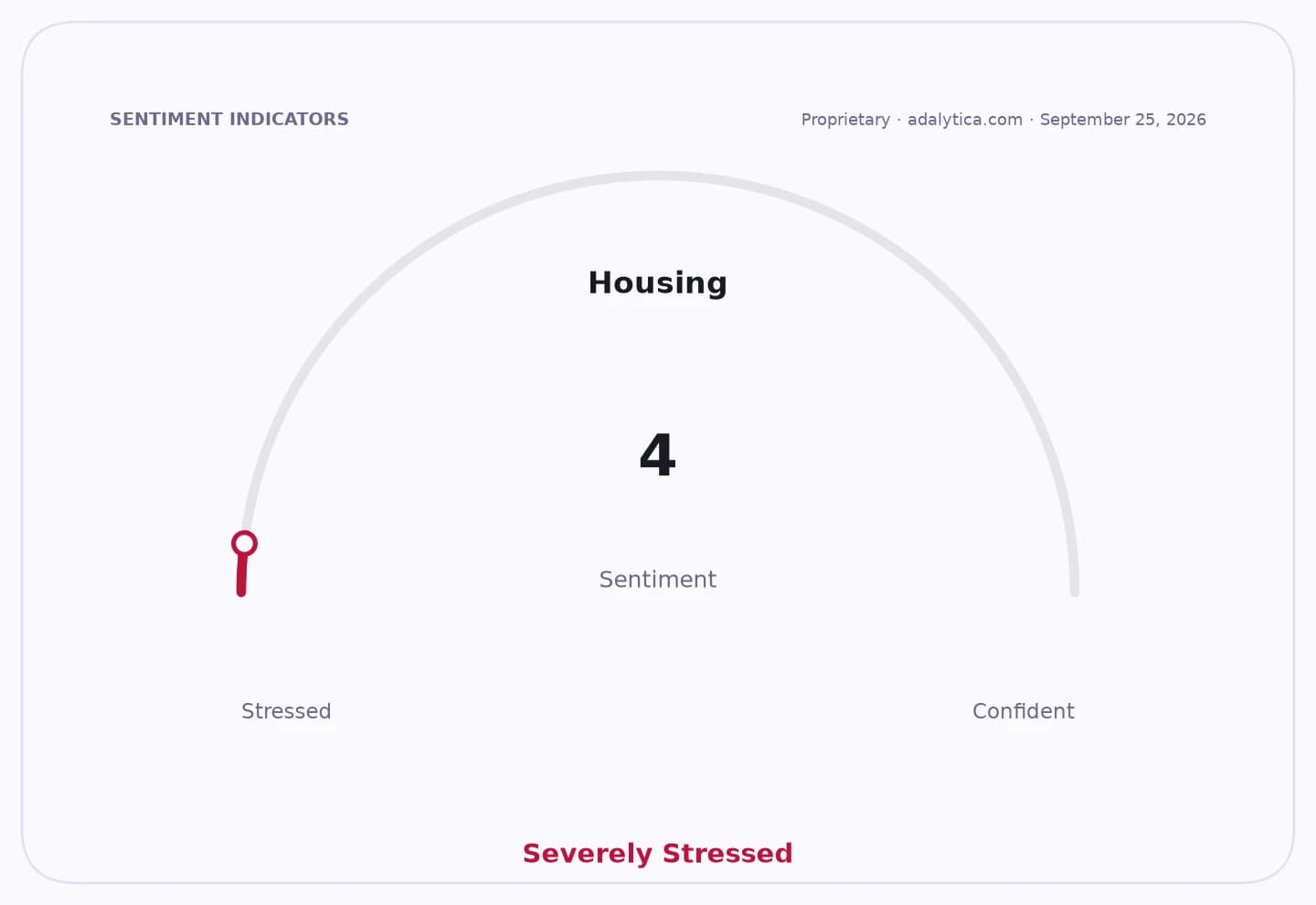
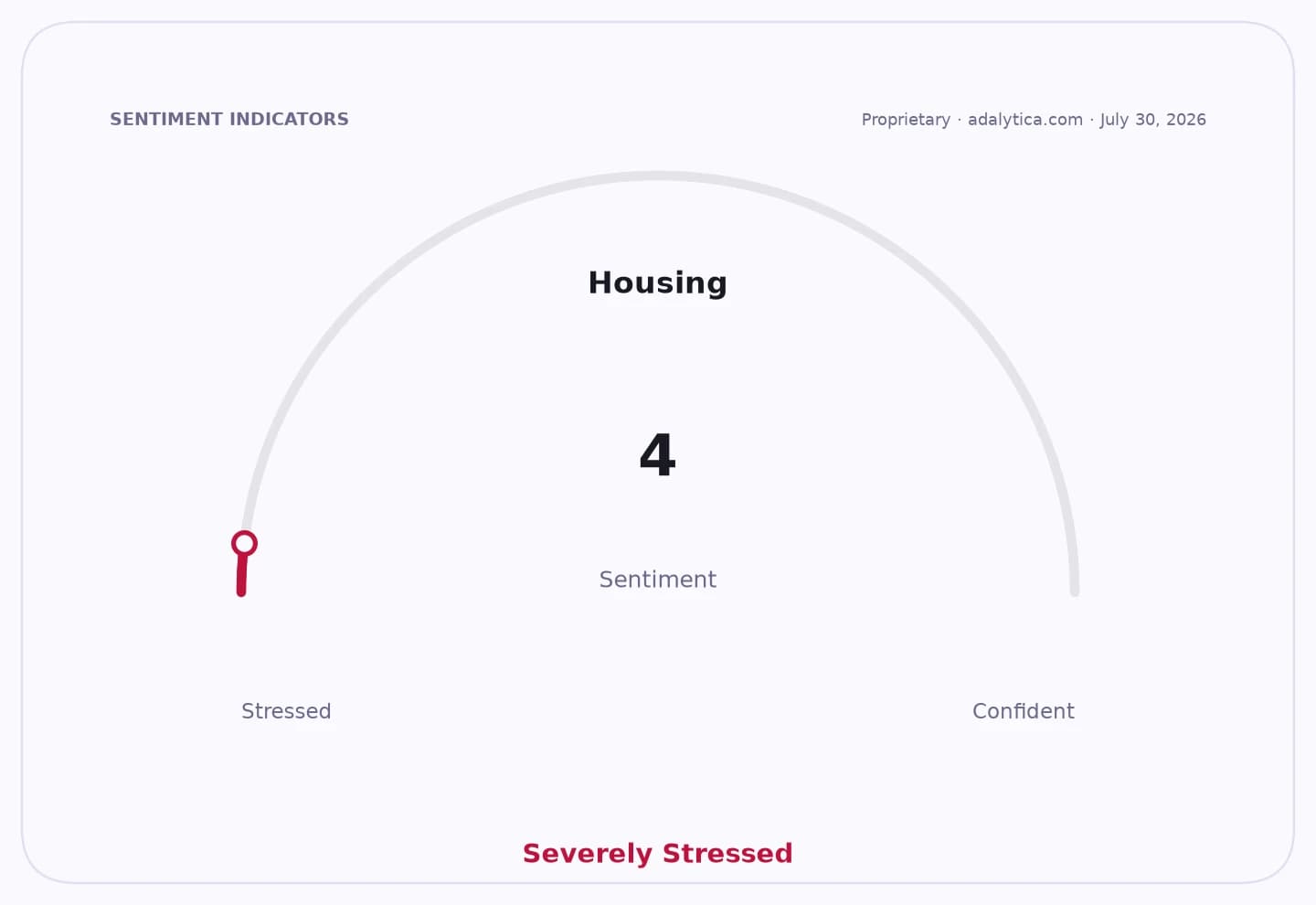
Sentiment IndicatorsⓘProprietary · adalytica.com · July 30, 2026
This is a snapshot — live sentiment, awareness and momentum for 130+ markets update continuously in the dashboard.Open AlphaPulse
The data points to a market that is finally giving renters some breathing room. Seoul’s one-room and monthly rents have both been falling, and in Gangnam, one of the city’s priciest districts, rents have slipped back to around 1 million won. That is a meaningful psychological level in a market where prime-area leases had stayed stubbornly expensive, squeezing younger workers and families.
It also reflects a broader adjustment in housing affordability. Mortgage costs remain high enough to make ownership less attractive for many buyers, while rent growth has cooled. In practical terms, the gap between the cost of servicing a loan and paying rent is narrowing in some neighborhoods — enough that, in certain cases, renting can now leave households with more cash flow each month than buying a home with debt.
For investors, that matters in two ways. First, it improves the case for rental housing as a defensive income stream, but only if landlords can keep occupancy high and operating costs under control. Second, it is a warning that housing demand is being reshaped by interest rates, not just by local supply and demand. If borrowing stays expensive, owner-occupiers may keep stepping back, while renters gain leverage in negotiations.
There is also a policy angle. Restrictions on renting mortgaged properties could alter how landlords finance apartments and how much inventory reaches the rental market. Any tighter rules would likely matter most in a city like Seoul, where expensive neighborhoods have long depended on a mix of leveraged ownership and rental demand.
For long-term investors, the bigger lesson is simple: housing is still an affordability story, and affordability is being set by rates. Until mortgage costs come down or rents re-accelerate, renting may remain the better short-term deal for many Seoul households. That makes the apartment market worth watching, not just for homebuyers, but for anyone invested in residential real estate, property developers or rental-focused funds.
| Entity | Gains | Losses |
|---|---|---|
| Renters | ▲Lower monthly pressure | ▼Less incentive to buy |
| Landlords | ▲Higher demand for rentals | ▼Softer rent growth |
| Homebuyers | ▲More time to wait | ▼Higher mortgage burden |
| Apartment investors | ▲Potential occupancy support | ▼Margin pressure from cooling rents |