Serbia is using its upgraded strategic dialogue with the United States to present itself as a more investable, stable Balkan economy at a time of domestic unrest and regional tension, with President Aleksandar Vučić framing the relationship as a diplomatic win that could unlock capital and deepen ties with Washington.
U.S. Dialogue Could Improve Serbia's Investment Appeal
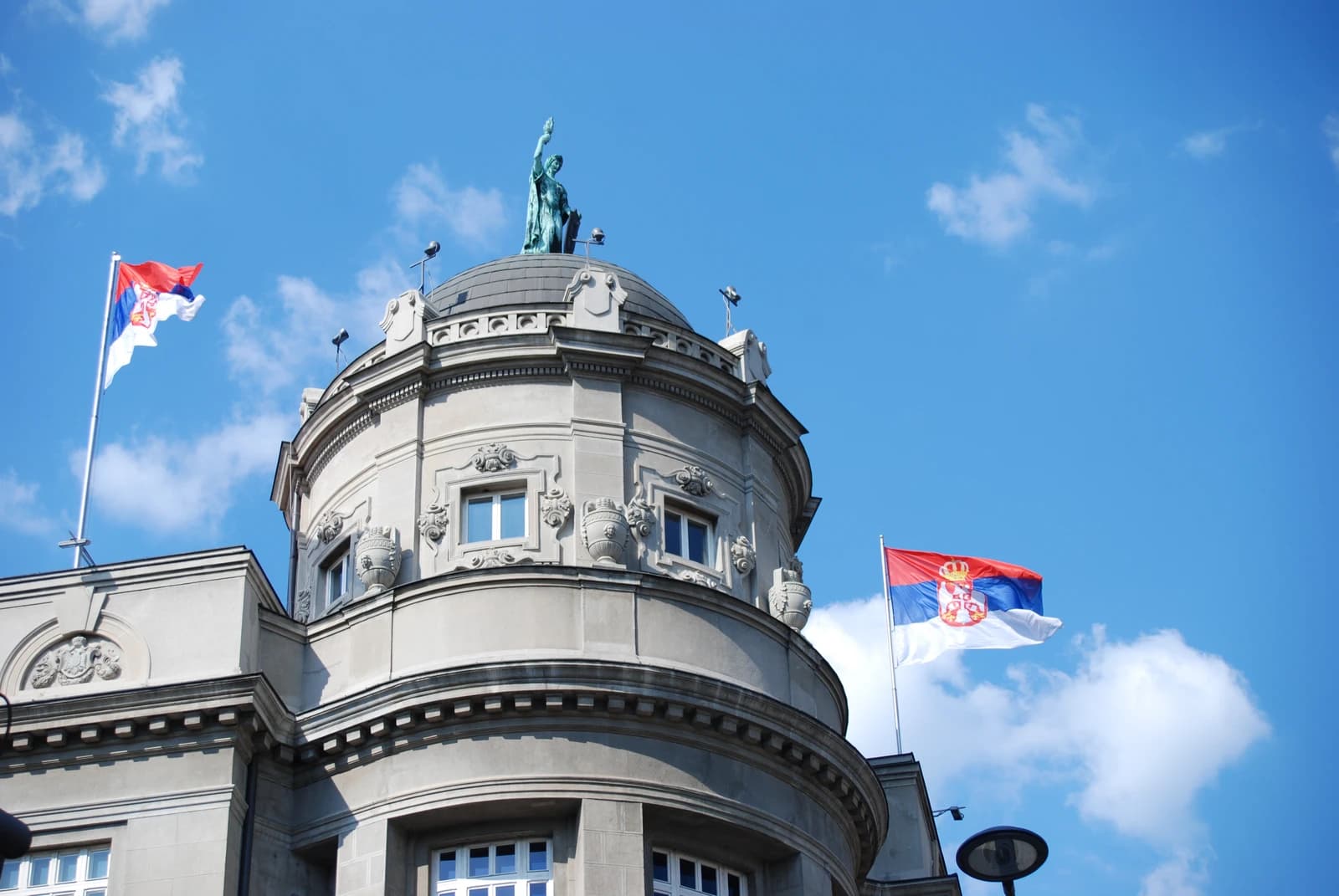
The economic significance is clear: for a small, open economy that depends on foreign direct investment, export access and political predictability, a closer U.S. channel can improve Serbia’s standing with multinational companies, lenders and European partners. The message from Belgrade is that diplomacy is not just about geopolitics — it is a bid to reduce risk premiums and support new investment into manufacturing, infrastructure and strategic sectors.
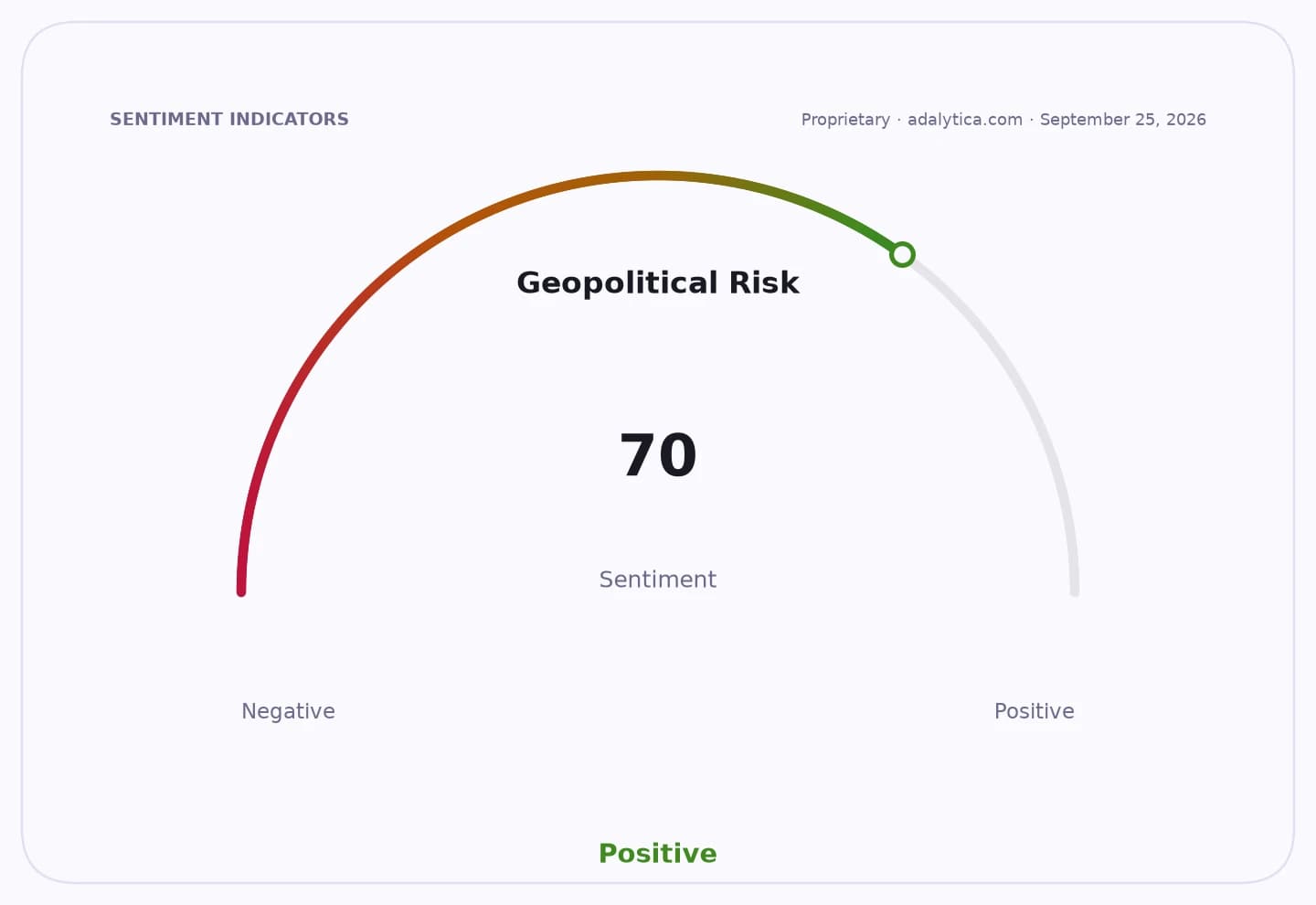
That matters for investors because Serbia’s growth model has long relied on foreign capital and confidence that the country can balance ties with both the West and its regional neighbors. A stronger U.S. relationship can help ease concerns around sanctions exposure, supply-chain stability and policy continuity, especially as tensions around Kosovo and internal protests keep political risk elevated.
Vučić has publicly cast the dialogue as “a triumph of diplomacy and a platform for the development of Serbia,” while also attacking blockaders at home as destabilizing actors rather than legitimate interlocutors. That dual message — outreach abroad, confrontation at home — underscores how the government is trying to shore up legitimacy by tying economic prospects to foreign policy success.
The broader regional backdrop also matters. Washington remains central to any durable settlement in the Balkans, and Serbia’s ability to keep channels open with the U.S. can influence its leverage on Kosovo, its relations with European capitals and its appeal to global investors weighing political risk against growth potential. Recent high-level contacts in Washington and Belgrade suggest the dialogue is being treated as more than symbolism, with both sides signaling scope for deeper economic cooperation.
For markets, the key question is whether the diplomacy translates into concrete wins: fresh investment pledges, easier access to financing, and a more predictable policy environment. If Belgrade can turn the strategic dialogue into visible economic deals, it could strengthen Serbia’s currency story, support sovereign credit sentiment and reinforce the case for multinationals looking at the Balkans.
| Entity | Gains | Losses |
|---|---|---|
| Serbian government | ▲Diplomatic credibility | ▼Pressure to deliver results |
| U.S. investors | ▲Better access and clarity | ▼Exposure to political risk |
| Serbia’s economy | ▲More investment prospects | ▼Delayed reform momentum |
| Domestic blockaders | ▲Visibility on the issue | ▼Narrative control |