Shopee is escalating the e-commerce delivery race by pushing into “turbo” mode with orders arriving in as little as four hours, a move that strengthens the case for instant commerce as the next battleground in retail and pressures Amazon and Mercado Libre to keep spending on logistics just to defend share.
Shopee four-hour delivery pressures Amazon, Mercado Libre

That matters because the economics of online shopping are shifting away from pure assortment and toward speed, where fulfillment density and last-mile execution determine who captures the most frequent, highest-margin purchases. In fast commerce, the winner is not necessarily the platform with the most sellers, but the one that can place inventory closest to the consumer and keep shipping costs from ballooning.
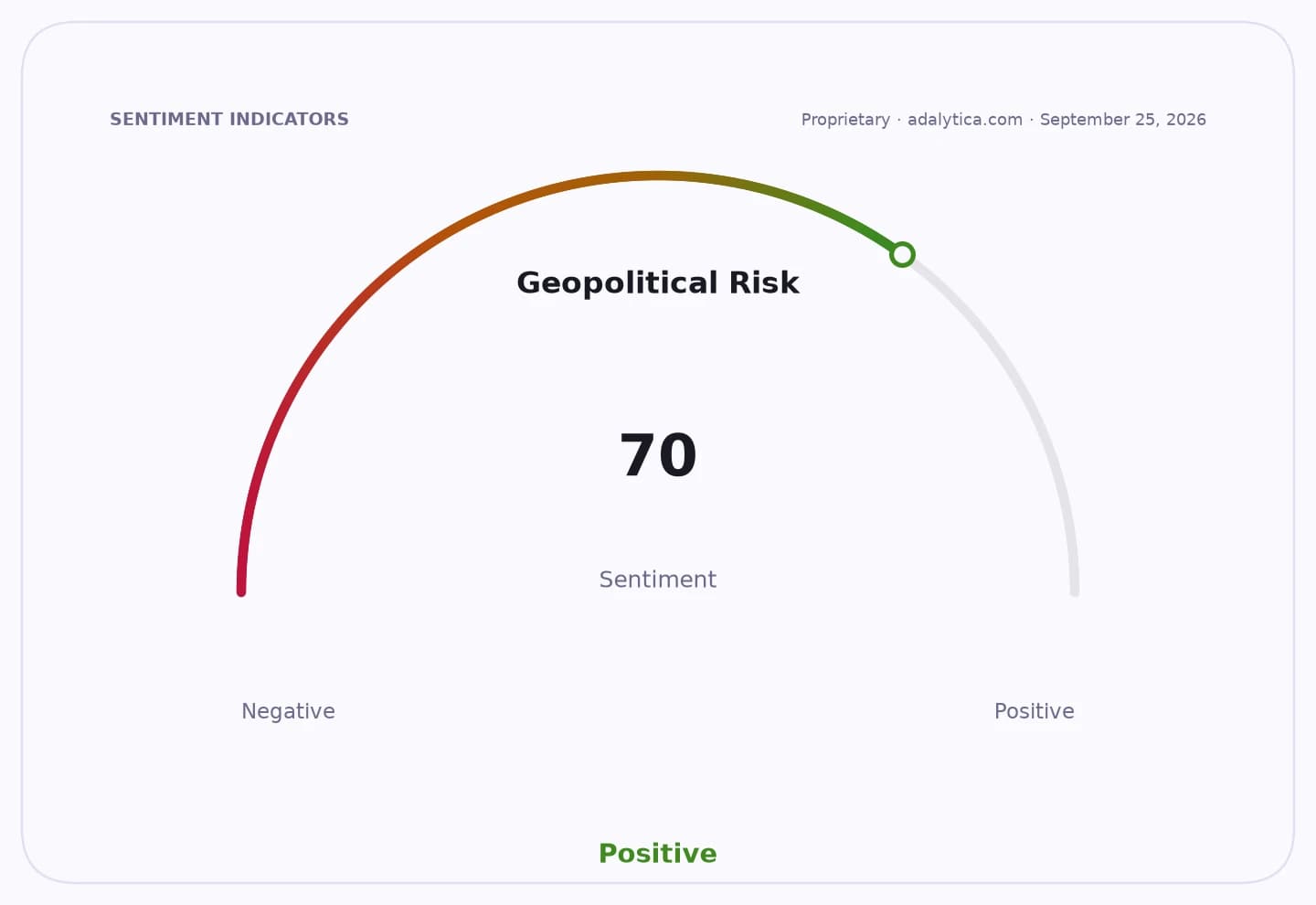
Sentiment IndicatorsⓘProprietary · adalytica.com · August 13, 2026
This is a snapshot — live sentiment, awareness and momentum for 130+ markets update continuously in the dashboard.Open AlphaPulse

Amazon shares, which trade around $265 after a volatile summer, reflect how quickly the market is re-pricing retail infrastructure as an asset rather than a cost. The stock sits above its 50-day and 200-day moving averages, but the recent pullback from August’s highs shows investors are still weighing margin pressure against the promise of a faster delivery network that can deepen customer loyalty. Mercado Libre, meanwhile, has also been chopped lower to about $1,825 after peaking near $1,940 this week, underscoring how the market is punishing any sign that Latin America’s e-commerce leader may need to spend harder to defend its logistics moat.
The broader setup is favorable for the companies that own the toll roads of e-commerce: fulfillment centers, sortation, delivery fleets, payments rails and software that reduce the cost of moving goods within hours instead of days. Amazon’s own filings point to the danger of poor inventory placement and staffing, while Mercado Libre has built more than half its shipments through fulfillment centers and shipping subsidies. That is the real message from Shopee’s push — speed is no longer a premium feature, it is becoming a standard.

For investors, that creates a bifurcated trade. The incumbents can still win if their scale lets them absorb the capital intensity and turn speed into habit, but the market may be underestimating how much incremental capex and labor will be required to stay competitive. The opportunity is in the picks-and-shovels layer: logistics automation, warehouse software, delivery optimization and regional infrastructure providers that benefit every time another platform races to promise same-day or four-hour service.
Adalytica’s consumer-spending sentiment has fallen to 29, signaling fear, even as retail-goods spending sentiment remains in extreme-greed territory at 86. That split is exactly the kind of environment where quick-commerce platforms lean harder into convenience purchases and holiday hiring, with temporary staffing expected to rise 35% to 40% this festive season. If consumers keep choosing immediacy over bulk buying, the next leg of e-commerce growth will belong to whoever can deliver fastest without destroying margins.
For now, Shopee’s four-hour gambit is not just a product upgrade. It is a reminder that the next winner in global e-commerce will be the platform that turns logistics into a competitive weapon — and that makes the infrastructure behind speed one of the clearest asymmetric opportunities in the market.
| Entity | Gains | Losses |
|---|---|---|
| Shopee | ▲Faster order conversion | ▼Higher fulfillment costs |
| Amazon | ▲Logistics moat if executed well | ▼Margin pressure from speed race |
| Mercado Libre | ▲Defense of customer loyalty | ▼More capex and subsidy burden |
| Logistics/automation suppliers | ▲More platform spending | ▼None direct |