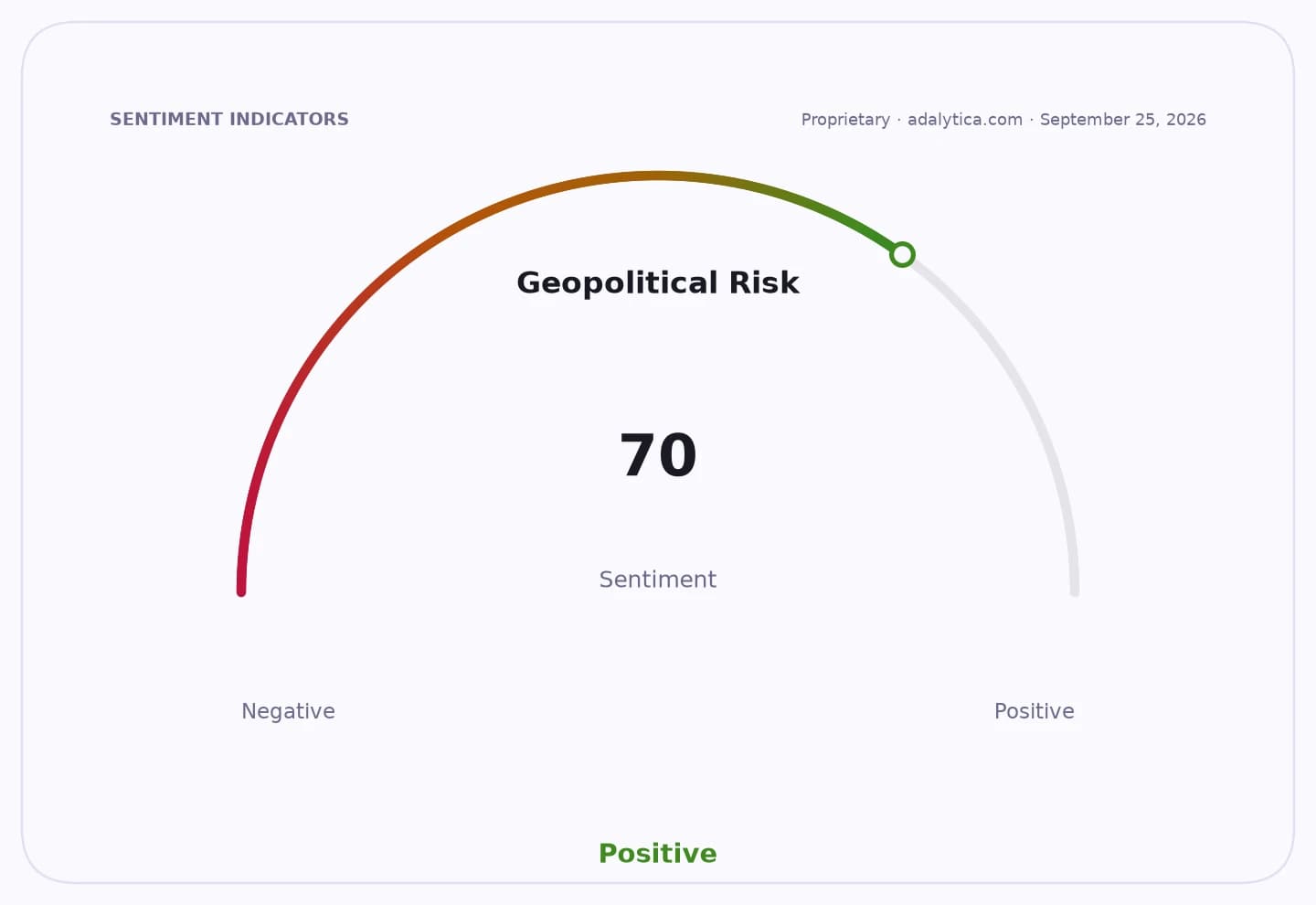
Silver is still doing what investors want a precious metal to do in a crisis: hold its ground and keep climbing when uncertainty rises. With domestic prices continuing to edge higher and the latest SLV reading back near $51, the bigger message is that demand for hard assets is staying firm even as the U.S. dollar and Treasury yields move around.
Silver Holds Up as Macro Uncertainty Persists
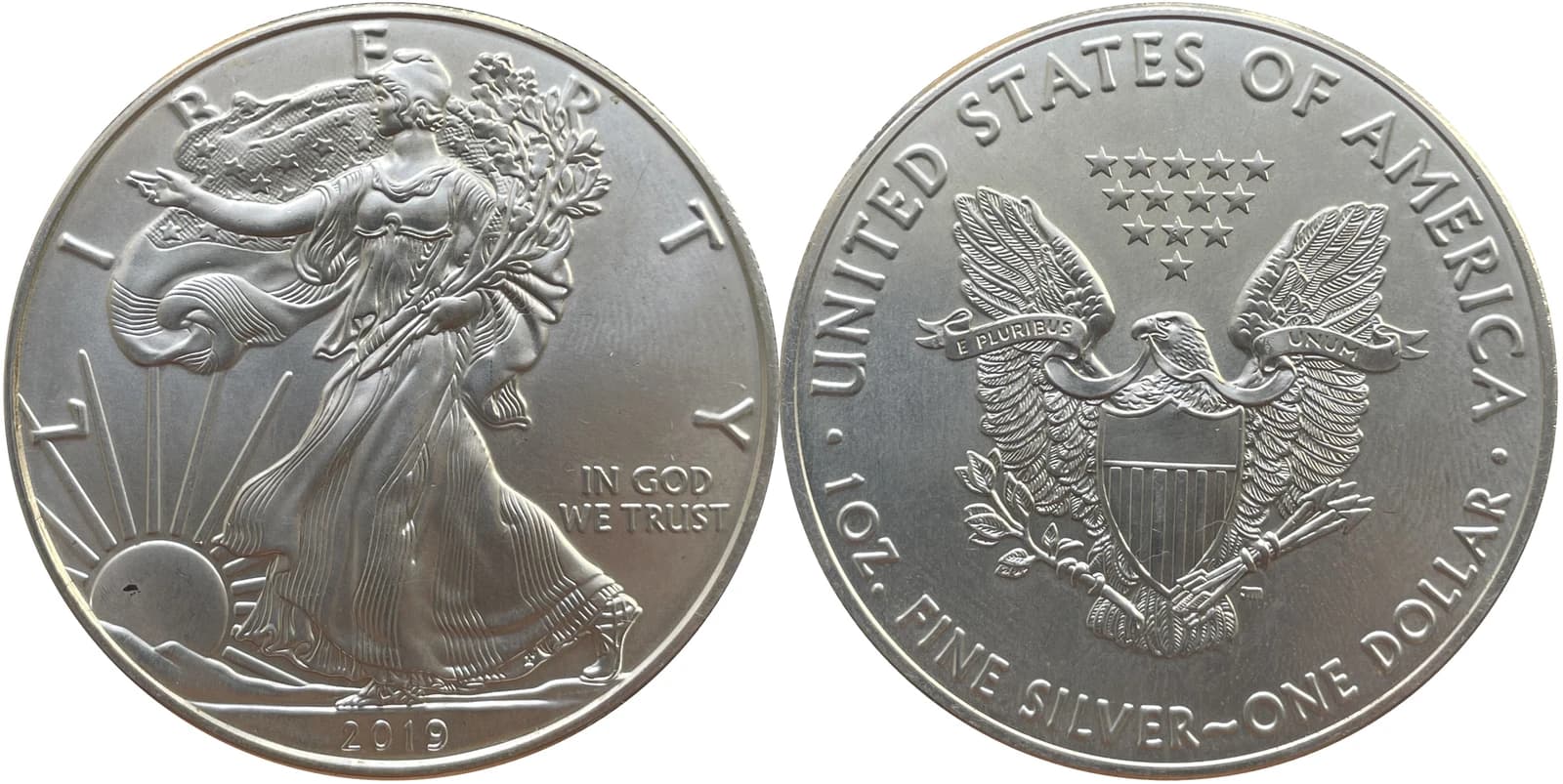
That matters because silver is more than a speculative trade. It sits at the intersection of safe-haven buying, industrial demand and currency pressure. When geopolitical tension flares, investors often reach for metals first, but silver also tends to benefit when they worry about the purchasing power of cash. That combination can make price moves sharper than gold’s, and it helps explain why recent dips have not lasted long.
Sentiment IndicatorsⓘProprietary · adalytica.com · July 21, 2026
This is a snapshot — live sentiment, awareness and momentum for 130+ markets update continuously in the dashboard.Open AlphaPulse
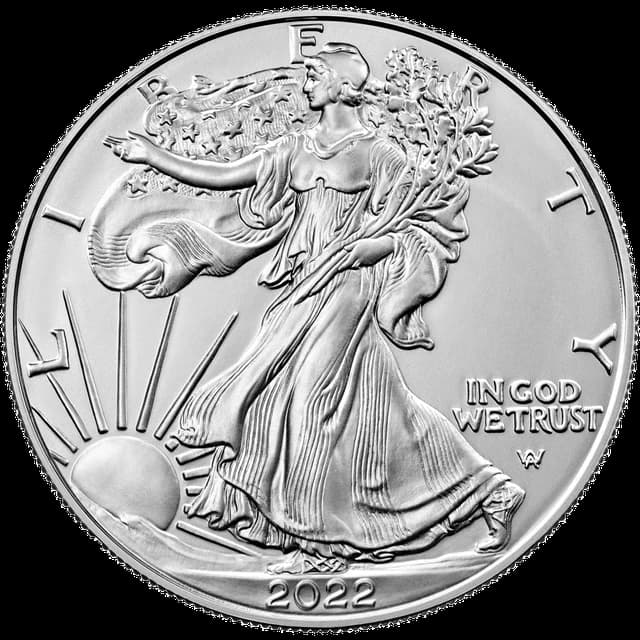
The market backdrop is supportive. Benchmark 10-year Treasury yields are around 4.55%, high enough to keep pressure on risk assets, while the dollar has been choppy rather than decisively strong. In that kind of environment, bullion can attract buyers looking for diversification, especially when fear is still visible in investor sentiment. Adalytica’s Gold Fear & Greed Index shows greed at 77, but awareness remains in extreme fear territory, a sign that investors are still cautious even after recent rebounds.
For silver-focused investors, the key question is not whether the metal can fall on any given day — it can — but whether the longer-term trend still favors ownership. The answer appears to be yes. SLV is trading below its 50-day and 200-day moving averages, which tells you the metal has cooled from earlier highs, but the broader price structure remains much stronger than it was at the start of the year. That kind of reset can matter for patient investors who think in years, not sessions.
The move is also worth watching through the lens of silver miners and royalty companies. Wheaton Precious Metals, for example, has already shown how powerful the operating leverage can be when precious-metal prices rise. If silver holds up, the winners are not only bullion buyers but also firms with exposure to mined production, streaming contracts and ETFs that track the metal. The losers are short-term traders who try to call every turn and get whipsawed by volatility.
There is still risk. If geopolitical tensions ease, the rush into defensive assets could fade, and higher real yields could pull some money back toward bonds and cash. But for long-term investors, that is exactly why silver deserves a place on the watchlist rather than in a panic sale. The opportunity in metals is usually not about chasing a peak; it is about owning a scarce asset during periods when confidence in paper assets is being tested.
For investors building a diversified portfolio, silver can be a useful satellite position alongside broad index funds, dividend growers and other long-term compounding machines. It is not a substitute for quality businesses, but it can be a timely hedge when the macro picture is unstable. If you are wondering whether to buy after the latest pop, the better question may be whether you want exposure before the next wave of uncertainty hits.
| Entity | Gains | Losses |
|---|---|---|
| Silver buyers | ▲Inflation hedge | ▼Higher entry prices |
| SLV and SIVR holders | ▲Safe-haven exposure | ▼Short-term volatility |
| Precious-metals miners and royalty firms | ▲Better pricing power | ▼Margin pressure if prices fade |
| Cash holders | ▲None | ▼Purchasing-power risk |