China’s delivery of a “king of self-unloading ships” in Jiangsu is a reminder that the Simandou iron ore project in West Africa is moving from megaproject hype to real logistics, and that matters because the world’s next major iron ore supply route is starting to take shape.
Simandou Logistics Signal Future Iron Ore Flows
For investors, this is bigger than a single vessel. Simandou has long been viewed as one of the most important new sources of high-grade iron ore outside Australia and Brazil, and the shipping chain behind it will help determine how quickly that ore reaches mills in China and other steelmakers. In commodities, the winners are often the companies that control the bottlenecks, not just the mines.
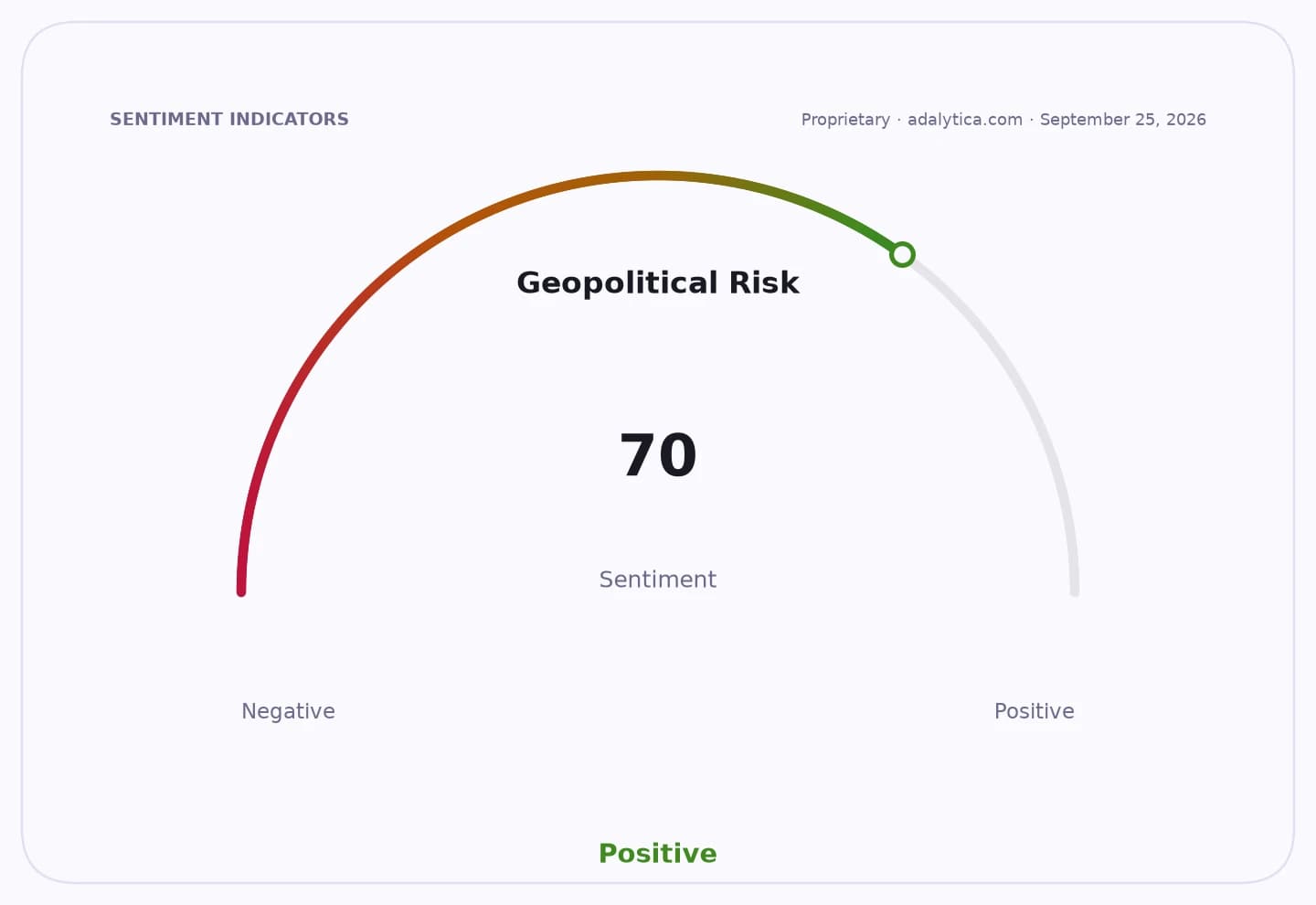
Sentiment IndicatorsⓘProprietary · adalytica.com · July 21, 2026
This is a snapshot — live sentiment, awareness and momentum for 130+ markets update continuously in the dashboard.Open AlphaPulse
That is why the new self-unloading ship matters economically. Self-unloading vessels cut turnaround times, reduce dependence on port equipment and help move bulk cargo more efficiently over long distances. For a project like Simandou, where rail, port and vessel logistics all have to work together across continents, transport efficiency can decide whether the asset becomes a margin machine or just another expensive development story.
The timing also fits a broader setup in the iron ore market. Major miners are still spending to defend and expand their positions. BHP recently approved a $900 million investment in its Ministers North iron ore site in Western Australia, underscoring that the incumbents do not view the sector as ex-growth even after years of supply volatility. Rio Tinto, meanwhile, has seen its Australian iron ore division recover enough to beat second-quarter sales forecasts, even as diesel costs linked to Middle East tensions push up operating expenses.
That combination tells investors something important: iron ore is still a contest over scale, cost and logistics. If Simandou ramps as planned, it could add a meaningful new source of supply into a market long dominated by Australia’s Pilbara and Brazil’s export system. That could eventually pressure prices at the margin, but it could also reward the operators, shipping providers and infrastructure players that help unlock the project first.
There is a macro angle here too. Iron ore remains one of the key inputs into China’s industrial base, and the latest signals from Beijing’s growth narrative suggest policymakers still care deeply about keeping heavy industry moving. Adalytica’s China growth-target trade signals show awareness at an extreme-greed level, even as the yuan signals have weakened sharply, reflecting the tension between growth support and currency pressure. That matters because China’s appetite for imported raw materials remains a central driver of the seaborne iron ore trade.
For long-term investors, the lesson is not to chase one vessel or one project. It is to watch how control over supply chains can create durable advantages in mining, shipping and port infrastructure. Rio Tinto, BHP and other established miners still benefit from scarcity and scale, but new logistics around Simandou could shift bargaining power over time.
The best way to think about this is as a structural buildout, not a one-day event. If Simandou reaches its potential, the project could reshape trade flows, strengthen demand for bulk-carrier and self-unloading assets, and sharpen competition in high-grade iron ore. For investors, that makes the project worth following closely — and worth keeping on the watchlist for the next several years.
| Entity | Gains | Losses |
|---|---|---|
| Simandou project backers | ▲Better export efficiency | ▼Higher upfront logistics costs |
| Shipbuilders and bulk-carrier owners | ▲New vessel demand | ▼Idle capacity risk if delays persist |
| Iron ore buyers and steelmakers | ▲More supply options | ▼Less pricing power from scarcity |
| BHP and Rio Tinto | ▲Validation of sector demand | ▼Future margin pressure from new supply |