The unlocking of Guinea’s Simandou iron ore project matters because it could alter the balance of power in a market long dominated by Australia and Brazil, creating a new source of premium supply just as Chinese steelmakers are looking for more secure raw materials.
Simandou Could Reshape Iron Ore Power
For investors, the significance is not just that the world’s largest untapped iron ore reserve is finally moving toward production. It is that the project was advanced through an unusual alignment of Rio Tinto, Chinese state-backed partners and pressure from Guinea’s government, turning what had been a stranded geological prize into a strategic asset in the global contest over steel inputs, infrastructure finance and commodity leverage.
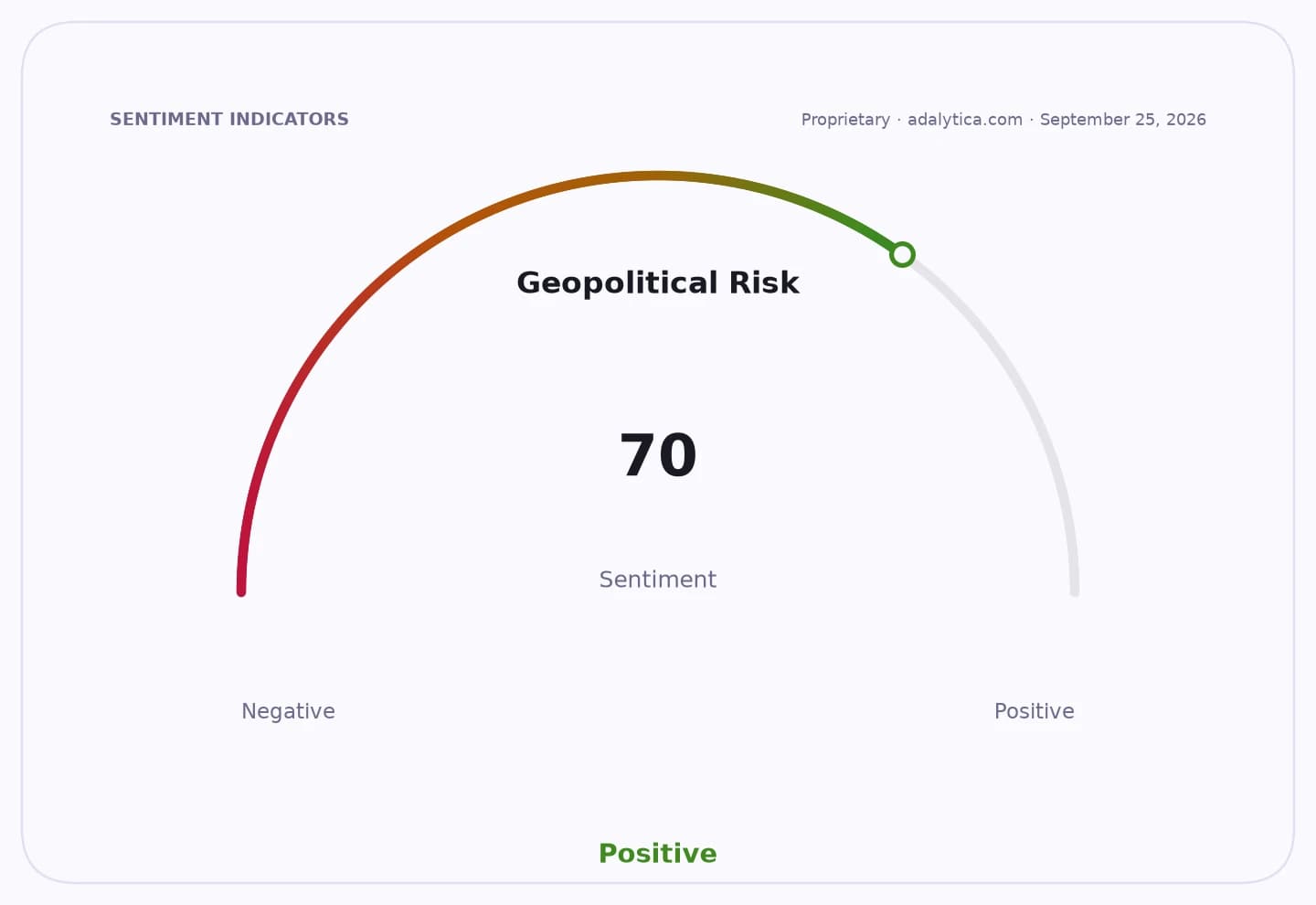
Sentiment IndicatorsⓘProprietary · adalytica.com · July 22, 2026
This is a snapshot — live sentiment, awareness and momentum for 130+ markets update continuously in the dashboard.Open AlphaPulse
That matters economically because iron ore remains the critical feedstock for steel, and steel underpins construction, manufacturing and infrastructure spending across China and much of the developing world. If Simandou delivers at scale, it could eventually increase seaborne supply, compress pricing power among incumbent producers and shift trade flows toward West Africa. That would be felt not only in ore benchmarks but also in freight, port investment and the economics of steelmaking in Asia.
The timing is important. Benchmark oil prices have been volatile, but iron ore has also been under pressure as traders weigh weaker Chinese demand against tightening inventories. Chinese port stocks have fallen to a four-month low, indicating supply is not abundant in the near term, while Chinese steel mills remain cautious despite signs of firmer industrial output. In that setting, Simandou is less about immediate relief and more about the longer-term restructuring of supply.
Rio Tinto’s shares have reflected that tension. The stock was trading at 90.55 on July 21, well above its 50-day moving average of 99.92? Actually, the latest tape shows the shares have slid back below that level after a strong spring rally, with RSI readings easing to 39.3 and the MACD still negative. That suggests the market is no longer pricing in a straight-line upside from iron ore and is instead reassessing how much of the Simandou opportunity will translate into near-term earnings. BHP’s chart shows a similar cooling, while Vale has remained weaker, underscoring how quickly sentiment can swing when commodity narratives shift.
The broader industrial backdrop is not especially supportive. U.S. industrial production is still expanding, but only modestly, and China’s growth targets remain a central driver of commodity demand. Adalytica’s proprietary China growth-target sentiment is in a high-enthusiasm reading, which fits the market’s need for policy-led demand stabilization. But sentiment alone will not absorb a new wave of supply if Simandou ramps successfully.
For Rio Tinto, the alliance is strategically attractive because it preserves access to one of the most valuable undeveloped ore bodies in the world and keeps Chinese buyers inside the project rather than on the sidelines. For China, the prize is diversification away from Australia, where BHP, Rio and Fortescue still dominate supply chains that Beijing has long viewed as vulnerable. For Guinea, the deal offers infrastructure, state revenues and political validation, though the country must still convert a diplomatic breakthrough into reliable execution.
The bull case is straightforward: Simandou strengthens Rio’s long-run portfolio, gives China better supply security and brings a large new tonnage source into a market that may need it. The bear case is equally clear: the project is expensive, politically complex and likely to face delays, meaning investors could be waiting years for meaningful cash flow while existing producers continue to set the price.
What matters now is whether the alliance that unlocked Simandou can also build it on time and on budget. If it can, the project will not merely add supply; it could reset bargaining power across the iron ore chain and leave the sector’s incumbents defending margins against a new West African competitor.
| Entity | Gains | Losses |
|---|---|---|
| Rio Tinto | ▲Long-term reserve access | ▼Near-term execution risk |
| Chinese state-owned giants | ▲Supply diversification | ▼Reliance on imports from Australia |
| Guinea government | ▲Infrastructure and revenues | ▼Higher political scrutiny |
| BHP, Fortescue, Vale | ▲— | ▼Future pricing power |