Singapore's retail sales growth picked up in September, a sign that consumer demand is stabilizing even as monthly spending remained weak and parts of the high-street sector stayed under pressure.
Singapore retail sales rise 1.7% in September
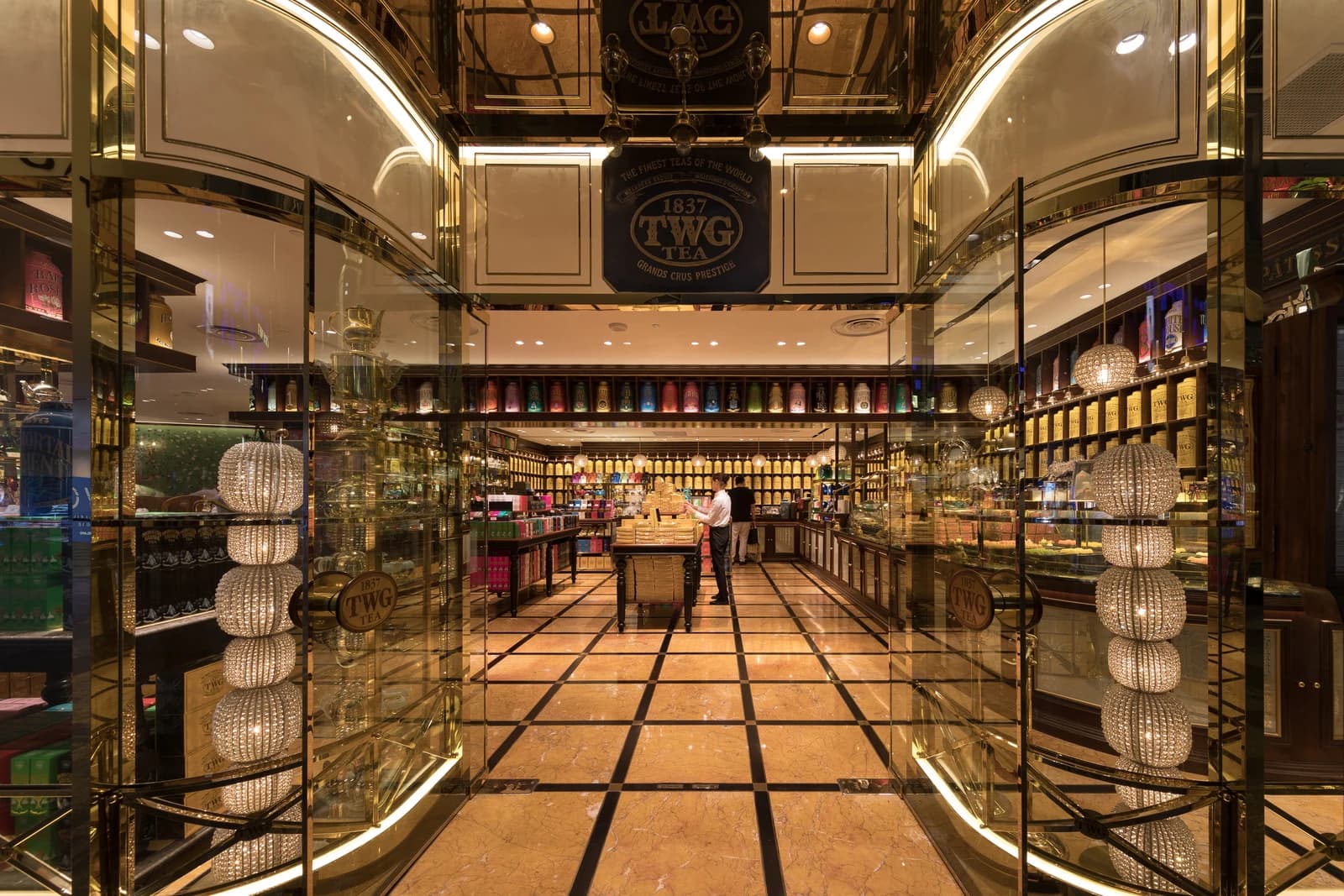
Retail sales rose 1.7% from a year earlier, the fastest pace in three months and above August's 0.8% gain, according to the Department of Statistics. The improvement matters because household consumption is a key support for Singapore's growth model, and any sign that spending is firming helps offset softer external demand.
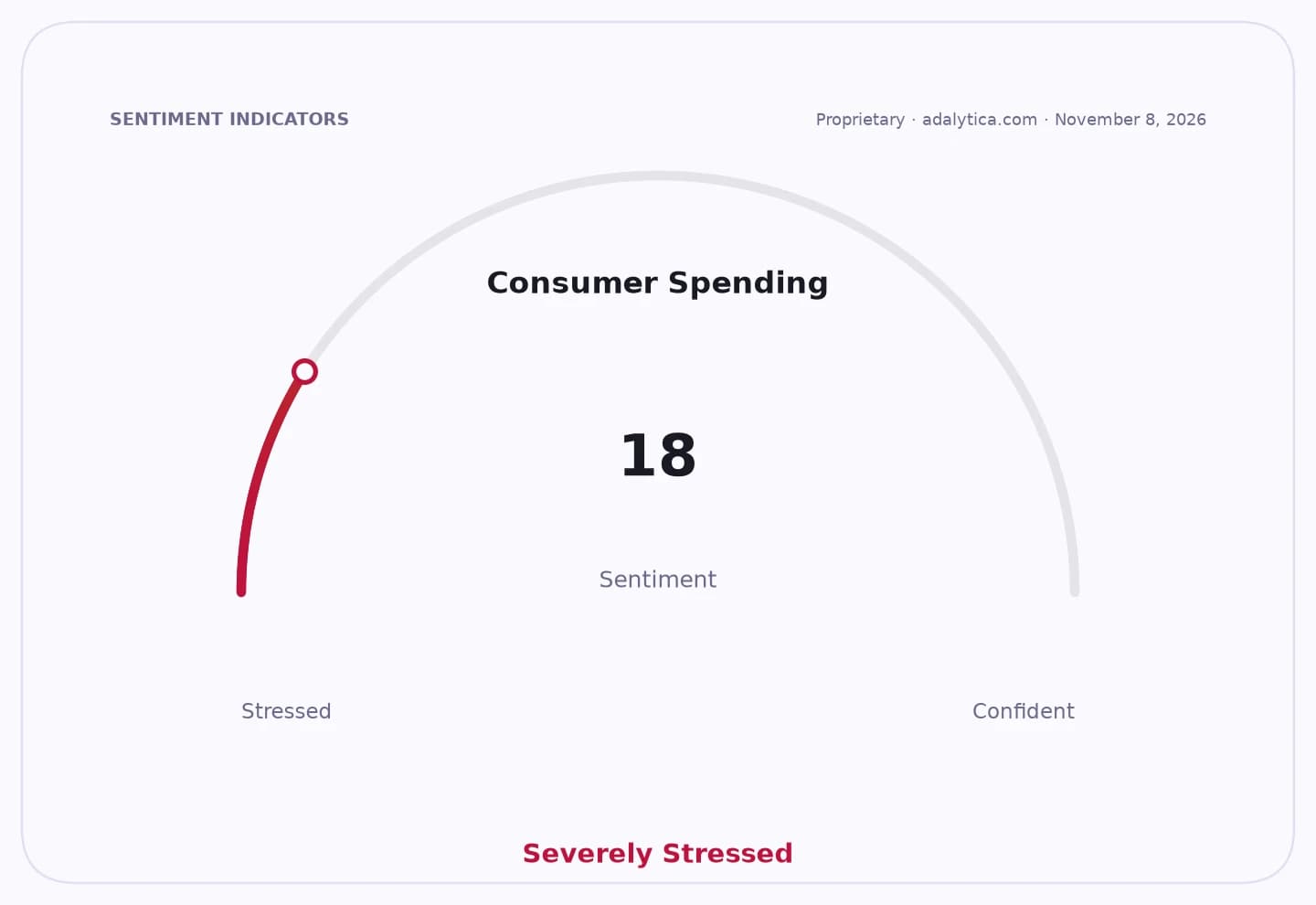
Sentiment Indicators
The biggest drivers were computer and telecommunications equipment, where sales jumped 16.5%, and petrol service stations, where growth accelerated to 6.5% from 3.2%. Furniture and household equipment sales rose 5.3%, while supermarkets and hypermarkets increased 2.2%, pointing to firmer purchases across both discretionary and essential categories.
Online retail remained a bright spot, rising 17.7% from a year earlier, up from 15.6% in August. Food and beverage sales also returned to growth, climbing 1.0% after a 1.8% decline the previous month, suggesting consumers are still spending, though not with much conviction.
Not every segment participated. Mini-marts and convenience stores fell 5.6%, while watches and jewelry dropped 1.5%, underscoring how uneven the recovery remains. On a monthly basis, retail sales still fell 1.0% after a 0.9% drop in August, which signals the sector has yet to sustain momentum from one month to the next.
For investors, the data point to a consumer backdrop that is improving but not yet strong enough to change the broader macro story on its own. Banks, retailers and domestic-demand plays may welcome the year-on-year gain, but the weak month-on-month reading and patchy sector performance suggest Singapore's consumer-led rebound remains fragile.
That leaves the focus on whether the pickup in online spending and broader goods demand can carry into the final months of the year, when investors will watch for follow-through in household consumption, tourism-linked spending and any spillover into earnings for retail-facing companies.
| Entity | Gains | Losses |
|---|---|---|
| Singapore retailers | ▲firmer year-on-year sales | ▼weak month-on-month momentum |
| Online merchants | ▲17.7% sales growth | ▼lower store traffic reliance |
| Petrol stations | ▲stronger fuel demand | ▼inflation-sensitive consumers |
| Mini-marts and jewelry sellers | ▲— | ▼sales declines and uneven demand |