Consumer confidence improved in Singapore and Thailand in the latest UOB survey, underscoring how Southeast Asia’s recovery is increasingly being driven by selected domestic winners even as regional prospects split.
Singapore, Thailand Confidence Diverges Across ASEAN
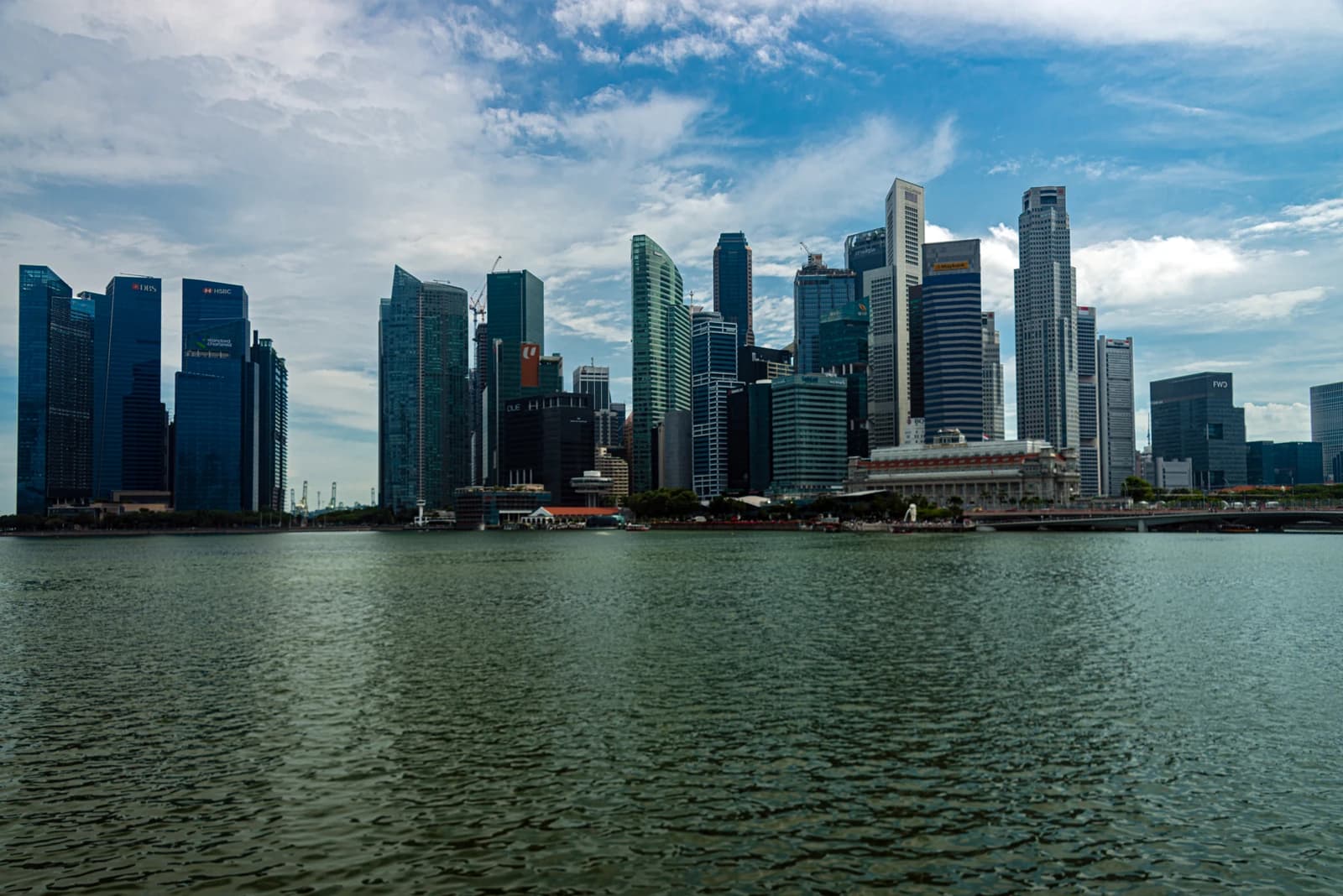
The gain matters because household sentiment is one of the earliest signals of whether consumers will keep spending, and in an export-reliant region that can make the difference between a soft landing and a sharper slowdown. Stronger confidence in Singapore and Thailand suggests resilience in labour markets, travel-linked activity and services demand, but it also highlights that Asean is no longer moving in lockstep.
Sentiment IndicatorsⓘProprietary · adalytica.com · July 24, 2026
This is a snapshot — live sentiment, awareness and momentum for 130+ markets update continuously in the dashboard.Open AlphaPulse

That divergence is important for policymakers and investors alike. When confidence rises unevenly, it usually reflects a mix of better wage growth, lower perceived job risk or easing inflation pressure in some markets, while others continue to face tighter financial conditions, weak credit demand or more fragile external demand. For retailers, banks and consumer lenders, the implication is that revenue growth and loan demand may be strongest in the more confident economies, while weaker markets remain vulnerable to discounting and margin pressure.
The backdrop is a region still balancing cooling global growth, shifting interest-rate expectations and uneven inflation trends. Even where household sentiment improves, it does not guarantee a broad spending surge: consumers often remain cautious on big-ticket purchases until they see more sustained gains in income and employment. That leaves the outlook for Asean consumption highly selective rather than uniformly constructive.
For Singapore, improved confidence fits a more stable policy and financial environment, while Thailand’s lift points to a consumer base benefiting from tourism and domestic activity. But the split also suggests investors should be wary of treating Asean as a single trade. The better opportunity may lie in countries where consumer strength is translating into actual spending, not just sentiment.
The key test from here is whether the confidence gains feed through into retail sales, credit demand and discretionary spending over the next few months. If they do, consumer-facing stocks and local lenders in the stronger markets stand to benefit; if not, the region’s divergence may prove another reminder that optimism remains uneven and fragile.
| Entity | Gains | Losses |
|---|---|---|
| Singapore consumers | ▲Stronger spending outlook | ▼Less support from regional sync |
| Thailand retailers and lenders | ▲Better demand prospects | ▼Exposure to weaker peers’ drag |
| Asean policymakers | ▲Room for targeted support | ▼Harder regional coordination |
| Weak-confidence markets | ▲Relative valuation reset | ▼Consumer and credit pressure |