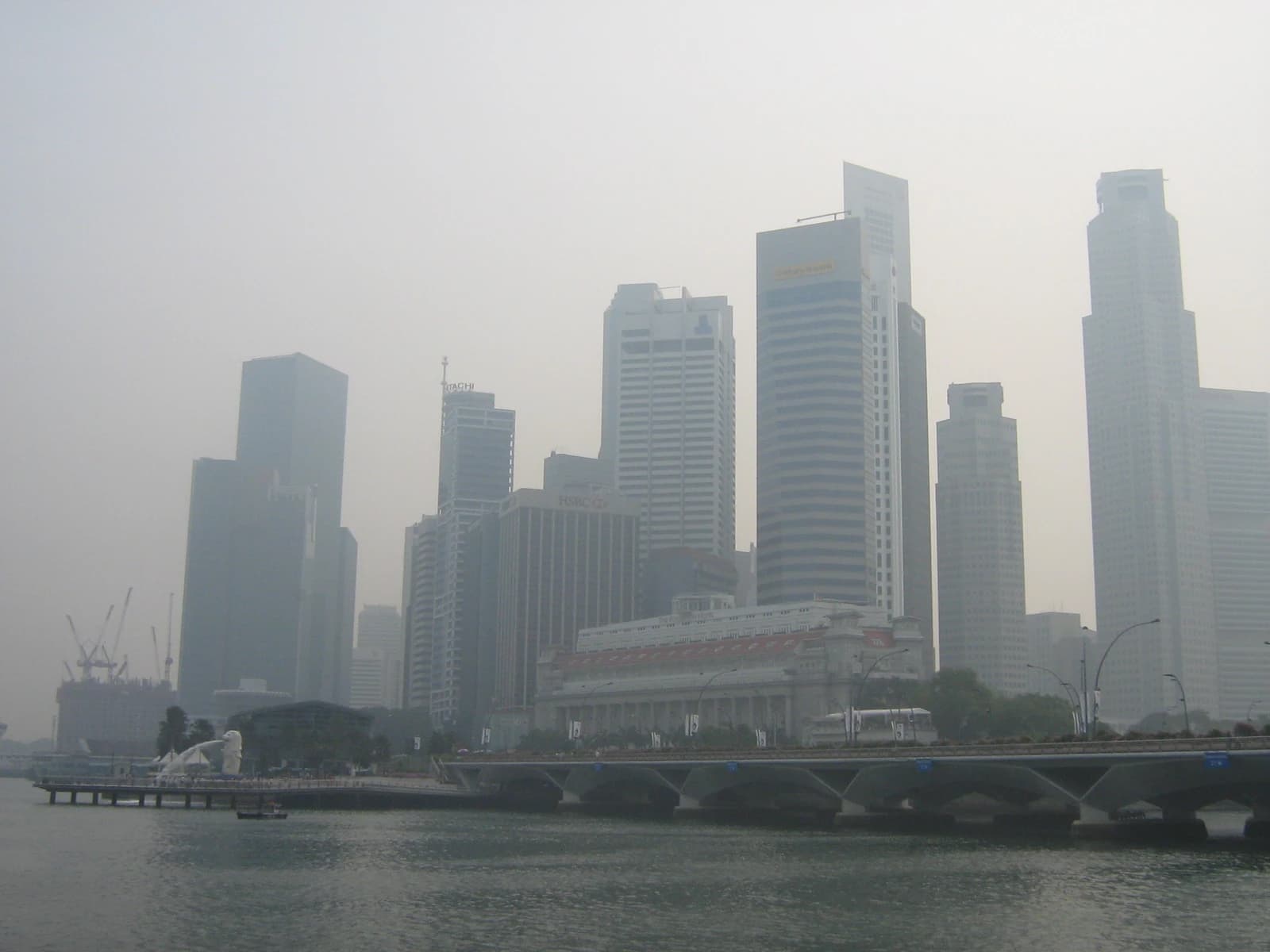
Singapore’s imported vegetable market is feeling the first clear bite of Southeast Asia’s haze, with wholesalers warning of smaller produce, tighter supply and higher prices if smoky skies persist for weeks more.
Singapore vegetable prices rise as Southeast Asia haze cuts supply
That matters because Singapore relies heavily on regional imports for fresh produce, especially leafy vegetables from Malaysia and Indonesia. When sunlight drops and photosynthesis slows, harvests shrink at the source, and the shock travels quickly through wholesale markets, restaurants and grocery bills. For consumers, that means less produce for more money. For businesses, it means thinner margins unless they can absorb the cost.
At Pasir Panjang Wholesale Centre, wholesalers said iceberg lettuce imported from Malaysia is about 50% smaller than normal, while some Java-grown greens such as watercress and young kailan have fallen as much as 80% in supply. Another wholesaler said cabbage shipments from Indonesia have dropped by about half in the past two weeks, with a bag of Indonesian cabbage rising from around S$10 to S$15-S$16, or roughly 50% higher.
The problem is not just a Singapore story. The haze is affecting agricultural land across the region, and one expert estimated that as much as 70 million hectares in Southeast Asia could be exposed to significant haze this year. That is a large enough footprint to matter for regional food inflation, because the same weather pattern can curb yields in multiple sourcing countries at once. For a trade-dependent city-state like Singapore, that creates an especially awkward squeeze: less local supply, fewer easy substitutes and higher logistics costs.
Wholesalers are already hunting for alternatives in Australia, Vietnam and China. But those backups are expensive. One importer said romaine lettuce from Malaysia typically costs S$2-S$3 a head, while Australian supply can run S$6-S$8 because it must be flown in rather than trucked across the border. That is the kind of cost jump that eventually reaches restaurants and households, particularly if the haze lingers and importers can no longer absorb the difference.
Investors should see the broader implication clearly: weather-related supply shocks can hit food prices quickly, even without a formal crisis. The latest readings in the U.S. Consumer Price Index and producer prices are only a reminder that inflation can reappear from unexpected corners, including agriculture. In Singapore, the immediate pressure sits with food service operators, grocery chains and importers with thin margins. Haze also weakens demand as customers stay indoors; one wholesaler said restaurant and hawker orders have fallen 20% to 30%, showing that the pain runs both ways through the food supply chain.
For long-term investors, this is another argument for owning diversified food and grocery exposure rather than betting on any one supplier or origin country. Firms with broad sourcing networks, pricing power and strong logistics are better placed to handle climate and weather disruptions. Smaller wholesalers and restaurants, by contrast, may have to choose between eating the cost or passing it on.
The key question now is duration. If the haze clears soon, this may remain a short-lived squeeze. If it lasts another three to four weeks, as traders fear, Singapore’s vegetable market could face a more durable reset in prices, supply patterns and margins. That makes the haze worth watching not just as an environmental issue, but as a reminder that food inflation can still surprise investors in very ordinary places like the produce aisle.
| Entity | Gains | Losses |
|---|---|---|
| Singapore wholesalers with alternate supply lines | ▲Can source from Australia, Vietnam, China | ▼Face higher import costs |
| Malaysian and Indonesian exporters | ▲Less immediate advantage from constrained supply | ▼Lower output and smaller produce |
| Restaurants and hawker operators | ▲None significant | ▼Higher ingredient bills, weaker orders |
| Consumers in Singapore | ▲Some access to imported produce continues | ▼Pay more for smaller vegetables |